


May 2, 2024 7:00 AM
Updated May 4, 2024 4:10 PM
A well-designed and implemented training program is the key to producing top-notch security dogs.
as our world becomes increasingly unpredictable, the demand for highly skilled security dogs continues to rise. However, the effectiveness of a security dog is determined by its breed or instincts. And also by the training program it undergoes.
A well-designed and implemented training program is the key to producing top-notch security dogs. Which can confidently and effectively protect their handlers and the areas they are assigned to. But what exactly are the key elements of an effective security dog training program?
Through years of experience and research, we have identified the essential components that are crucial for producing highly efficient security dogs. In this article, we will discuss the key components of a security dog training program. Read on.
Understanding the Psychology of Security Dogs
Related stories
Before a single command is taught, it is pivotal to grasp the psychology of the security dogs we train. Canine behavior is rooted in a pack mentality. This is where:
- social roles
- instincts
- forms of communication
Which are all defined by a hierarchy. By comprehending this, trainers can harness these natural inclinations to achieve remarkable results.
A successful training program should focus on:
Socialization
Introducing dogs to various environments, people, and animals in a positive way fosters confidence and reduces anxiety. These are essential traits for a security dog.
Motivation
Understanding what motivates a dog-be it food, play, or other rewards-defines effective training techniques. It is also a key to reinforcing desired behavior.
Consistency
Dogs thrive on routine and clear boundaries. Consistency in training methods and expectations leads to a more disciplined and reliable canine partner.
By laying a solid foundation based on these psychological tenets, you establish a framework for a security dog that is both responsive and responsible. Check out www.israelprotectionk9.com to learn more on how to train a dog.
The Art of Obedience Training
Obedience forms the backbone of a security dog's skillset. It ensures they follow commands promptly. It also instills a sense of respect and trust between the handler and the dog.
Key aspects to consider in obedience training are:
Basic Commands
Before progressing to advanced tasks, dogs must master fundamental commands like sit, stay, heel, and recall. These provide the baseline for all future training.
Bonding Exercises
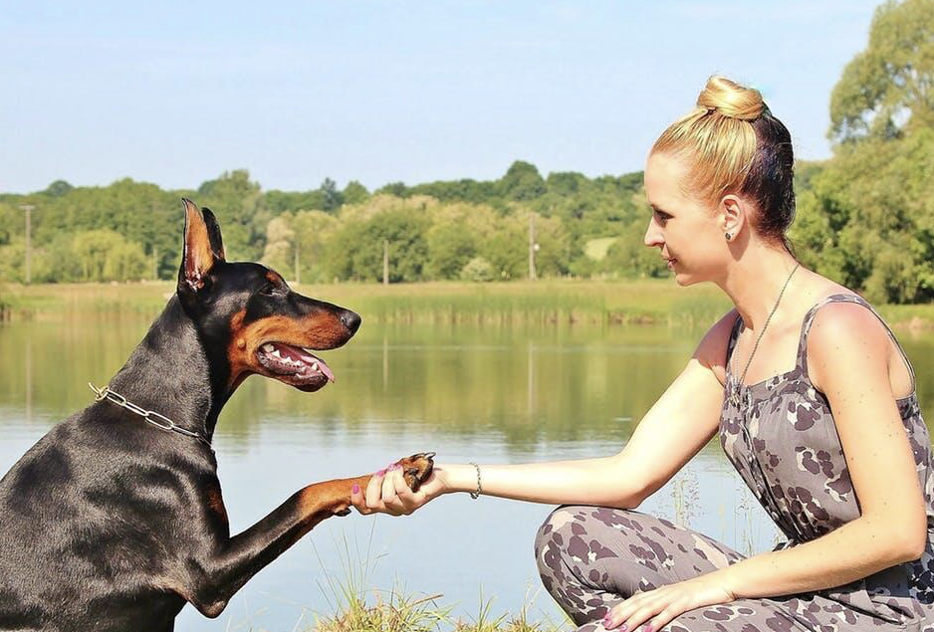
Incorporating activities that strengthen the bond between the dog and its handler, such as grooming and playing. It enhances their working relationship.
Distraction Training
This simulates real-world scenarios where a dog must ignore various distractions and focus on its handler's instructions. This is a critical aspect of security work.
By refining the dog's obedience, you are laying a vital foundation for more complex training. It also ensuring the safety of the dog and those they are tasked to protect. This is the first step on how to build trust with a dog.
Scent Detection: The Canine's Niche
The olfactory sense of a dog is a miraculous tool. In security applications, it can be honed to detect a plethora of contraband, explosives, or even people. Training a dog in scent detection is a delicate process that requires patience and precision.
To effectively train dogs in scent detection, one must:
Imprint the Target Scent
This is the initial stage where the dog is repeatedly exposed to the target scent. Positive associations are crucial in this phase to motivate the dog to seek out the scent willingly.
Build the Search Pattern
Dogs are then taught to search in structured patterns to cover the area effectively. This is without missing the target scent.
Reinforce the Alert Behavior
When the target scent is found, the dog must learn to indicate its discovery. This is typically through behaviors like sitting or passive indication.
By methodically progressing through these stages, a canine's natural aptitude for scent detection can be fine-tuned into a reliable and precise skill set. Which is invaluable in security operations. It will also help to connect with your dog.
Aggression Control and Protection Work
In situations where the dog's role is to protect its handler or a specific area, controlled aggression is a non-negotiable trait. However, aggression must be tempered with an acute responsiveness to the handler's commands.
The key to successful aggression control training lies in:
Developing Bite Techniques
Dogs are trained to bite and release on command. This ensures that their aggression is only deployed when necessary and immediately reined in when instructed.
Building Confidence
Through controlled scenarios, dogs become confident in their protective role. They can discern real threats from non-threatening situations.
Evaluating Temperament
Not all dogs are suitable for protection work. The systematic examination of a dog's attitude and disposition is critical before entering into this phase of training.
By meticulously guiding the development of controlled aggression, a balance is struck that upholds both security objectives and the welfare of the dog and its surroundings. This will greatly help in bonding with a dog.
Handler Skills and Team Dynamics
The relationship between the dog and its handler is at the heart of every successful security canine unit. There are pivotal skills to the team's effectiveness. Such as the handler's skills in:
- reading the dog
- interpreting its behaviors
- maintaining clear communication
To ensure the handler is prepared to lead their canine counterpart, training should address:
Understanding Non-Verbal Cues
Dogs communicate mostly through body language. A handler must become adept at interpreting these cues to enhance teamwork.
Scenario-Based Exercises
Realistic training scenarios prepare handlers for the dynamic nature of security work. This is where quick thinking and adaptability are essential.
Emergency Response
Training handlers to react calmly and methodically in high-pressure situations ensures that they can effectively lead the dog to a swift and safe resolution. They must have to connect with your dog calmly.
The synergy of the security team is maximized. This is by empowering handlers with a comprehensive skill set that complements their canine's training. This will lead to honing their protection dog skills.
Maintaining Skills Through Continual Learning
Training a security dog does not end once skills are acquired; it is an ongoing process. Regular practice and exposure to new scenarios ensure that the dog's abilities are sharp and up-to-date with the latest security challenges.
Continual learning strategies include:
Regular Re-Certifications
Conducting frequent assessments and re-certifications ensures that dogs maintain a high standard of performance. This must be well-regulated and scheduled.
Introducing New Scents and Distractors
Dogs should be periodically introduced to new scents and distractions. This challenges their detection and focus abilities.
Staying Informed
Trainers must stay abreast of the latest in security technology and methodologies. Use these in the training as appropriate.
By emphasizing continual learning, a security dog program remains adaptive and effective, capable of meeting the evolving security landscapes.
Ensuring Ethical and Humane Practices
In the pursuit of stringent security measures, it is crucial not to overlook the well-being of the animals involved. Respecting the dignity and welfare of the dogs being trained is as important as the effectiveness of their skills in upholding the ethical framework of the training program.
Practices that uphold ethical standards include:
Appropriate Training Schedules
Avoiding overexertion and ensuring reasonable rest and leisure time are embedded in the dog's routine. This is helpful to maintain the dog's mental health.
Positive Reinforcement
Opting for positive reinforcement methods produces effective results. It also preserves the dog's well-balanced and joyful temperament.
Access to Veterinary Care
A robust healthcare plan is integral to the well-being of training dogs. It ensures they are in optimal health and capable of performing their duties comfortably.
By maintaining ethical and humane standards, the integrity of the security dog training program is preserved. The morale of all involved-canine and human-is upheld.
Advanced Training Techniques for Specialized Roles
Specialized training can equip security dogs for a diverse array of roles. This is tailoring their capabilities to specific operational needs. This is beyond the foundational skills of:
- obedience
- scent detection
- controlled aggression
These specialized roles often require unique skills that go above and beyond the standard training regimes.
Tactical Response Training
This is where dogs are prepared to work alongside police or military units in high-risk operations. This includes training in areas such as:
- rappelling from helicopters
- navigating obstacle courses under fire
- working effectively in loud and chaotic environments
These dogs are taught to remain focused and obedient amidst the intense distractions of gunfire and explosions. This makes them invaluable assets in critical situations.
Search and Rescue (SAR)
This is where dogs are trained to locate missing persons in diverse environments. This is from dense forests to urban disaster sites. SAR dogs must have excellent scent detection abilities.
They must also have the physical and mental endurance to work long hours in potentially hazardous conditions. Skills are honed, such as:
- tracking
- area search
- rubble search
This is with a strong emphasis on the dog's ability to make independent decisions when out of sight of their handler.
Medical Detection
This represents a cutting-edge field where dogs are trained to use their olfactory capabilities to detect diseases. These are such as cancer or conditions like low blood sugar levels in diabetics.
This requires not only fine-tuning the dog's scent abilities but also teaching them specific alert behaviors. Which can communicate the detection of a medical condition to their handler or the person affected.
For every specialized training path, it is crucial that the selected dogs possess the physical attributes necessary for the role. And, also the mental acuity and temperament suited to the tasks at hand.
Rigorous selection processes, therefore, form the foundation of these specialized training programs. It ensures that only the most suitable candidates progress into these advanced roles.
Factors to Consider in crafting a training program
The culmination of a security dog's training is the acquisition of skills. It is also the realization of its full potential within operational environments. Crafting the ideal training program extends beyond individual competencies to incorporate strategies.
Which ensures the dog is not just capable but excels in its role. This requires a holistic approach, considering the dog's physical health, mental acuity, and the intricacies of real-world application.
Versatility
Security dogs must be adaptable, and able to transition seamlessly between tasks. This is whether it be a protection detail in a crowded public setting or a discreet patrol in sensitive environments. Training programs must, therefore, be dynamic, using a wide range of simulations that reflect potential operational demands.
Scenario-based training
This takes precedence, bridging the gap between skill mastery and practical application. This involves creating as many real-life scenarios as possible.
This is from detecting threats in bustling airports to navigating complex terrains during search and rescue missions. Such training ensures that security dogs can apply their skills reflexively, under varied and unpredictable conditions.
Stress inoculation
Dogs must be gradually exposed to stressors in a controlled manner. This enhances their resilience and ensures they remain functional under pressure. This includes:
- exposure to loud noises
- chaotic environments,
- high-stress situations
This conditions them to remain calm and attentive to commands despite external pressures.
Using advanced technology
Using the latest tech in training regimens opens up new avenues for enhancing capabilities. Technology can provide invaluable feedback. This is from virtual reality simulations that prepare dogs for specific scenarios to wearables that monitor health and stress levels.
It ensures training programs are:
- precise
- effective
- tailored to the individual dog's needs
Continuous evolution
Just as security threats evolve, so too must the training of security dogs. This means:
- staying abreast of the latest security challenges
- incorporating new skills and techniques
- continually evaluating and refining training programs
This is to ensure they meet the highest standards of excellence.
By integrating these components into a security dog training program, we enhance the operational effectiveness of these canine partners. It also ensures their well-being and job satisfaction. These are key elements for a successful and mutually rewarding relationship between dogs and their handlers.
Get a Security Dog Training Today
In conclusion, an effective security dog training program must incorporate the right key elements of proper training techniques. Security dogs can become highly trained, reliable, and effective in protecting their handlers and surroundings. This is by implementing these elements.

Are you ready to implement these key elements in your security dog training program? Start now and see the difference it makes in your dog's performance. Remember, a well-trained security dog is an invaluable asset to any security team.
If you want to read more articles, visit our blog.
Comments

Powered by RoundtableAn AI/DeFi-powered Enterprise Media Operating System. Learn more at Roundtable.io.© Roundtable 2026. By using this site you agree to the Terms of Use and Privacy Policy