
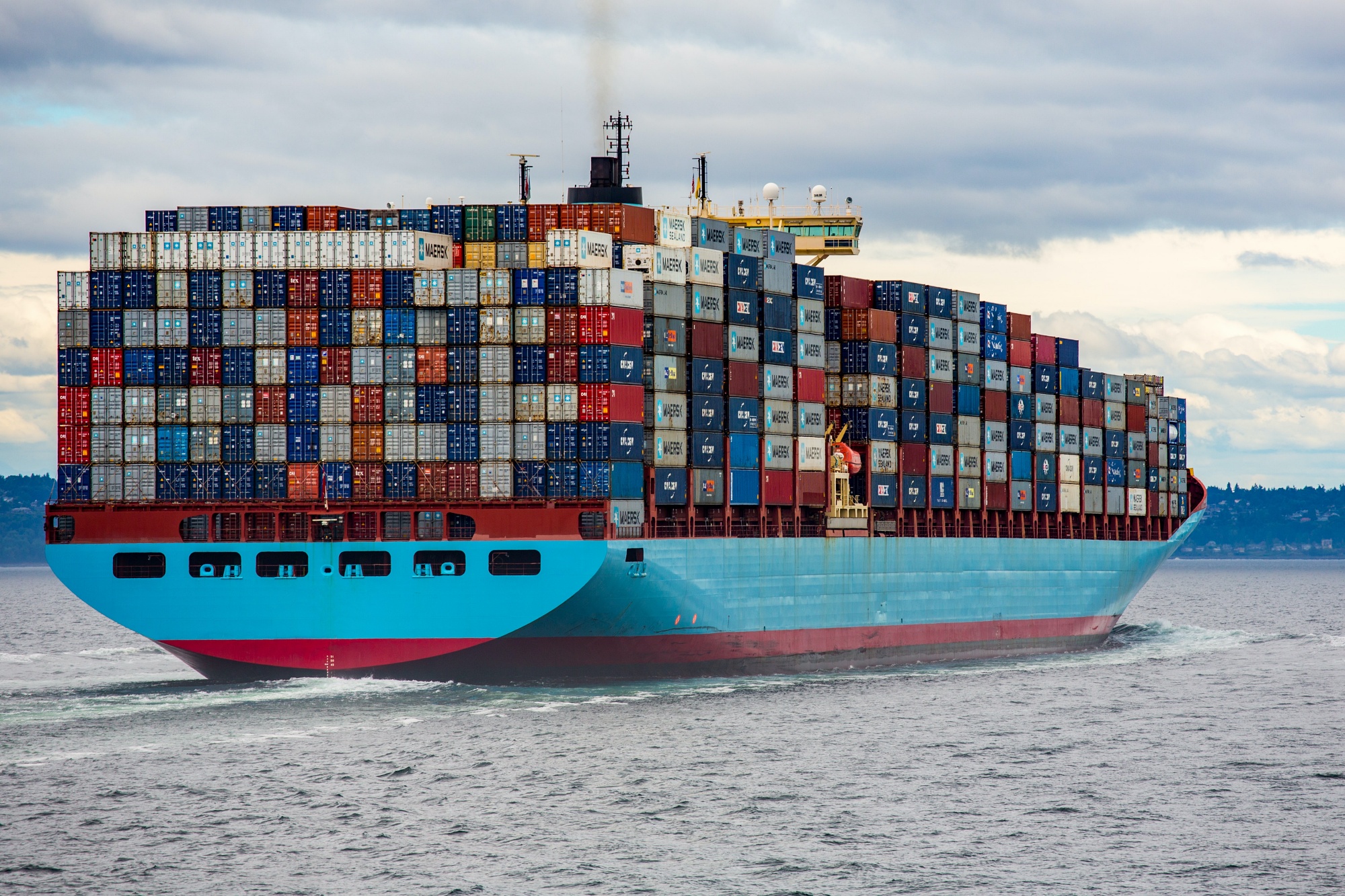
Photo by Ian Taylor on Unsplash


Nov 8, 2025 8:00 AM
Updated Nov 13, 2025 11:01 PM
Sea freight has long been recognised as one of the most environmentally efficient modes of transporting goods around the globe.
In today’s competitive yet interconnected economy, global trade is the backbone of modern business growth. If you are a company seeking to expand internationally, then efficient and sustainable supply chains are no longer optional. They are essential to success. Among the various logistics options, sea freight plays a pivotal role in enabling businesses to move goods across continents while also reducing the environmental impact and maintaining cost efficiency.
The Environmental and Economic Case for Sea Freight
Sea freight has long been recognised as one of the most environmentally efficient modes of transporting goods around the globe. According to the World Economic Forum, shipping accounts for roughly 3% of global greenhouse gas emissions, but on a per-tonne basis, it is significantly more energy-efficient than air or road transport. For companies looking to meet sustainability targets, this efficiency translates directly into lower carbon footprints per shipment.
From an economic standpoint, sea freight offers substantial cost savings too, especially for large shipments. For instance, a typical container transported by sea can move thousands of cubic meters of goods at a fraction of the cost of air or road transport. This combination of affordability and efficiency allows you to expand your global reach without compromising on sustainability targets.
How Freight Forwarding Enhances Efficiency
Freight forwarding adds another layer of efficiency and reliability to international shipping. Forwarders coordinate the complex journey of goods from origin to destination, managing all the documentation, customs clearance, and multi-modal transport to accomplish the task. For businesses importing large volumes, using a professional freight forwarder ensures shipments are optimised for cost, timing, and takes into account the environmental impact.
Related stories
The benefits of leveraging freight forwarding services include:
- Consolidated shipping: Combining multiple shipments into one container reduces costs and carbon emissions.
- Optimised routes: Forwarders choose routes and carriers that focus on minimising transit times and fuel use.
- Documentation management: The professional handling of customs paperwork prevents delays and reduces the risk of fines or storage costs.
- Scalable logistics: Forwarders can adjust container loads to match business growth without requiring additional infrastructure.
Sea Freight from the UK to the USA
For any businesses trading between the UK and North America, shipping via sea freight UK to the USA provides a sustainable and reliable option. Full Container Load (FCL) shipments are ideal for large consignments of goods, while Less-than-Container Load (LCL) options allow smaller shipments to benefit from the same efficiency without paying for an entire container load. Both options reduce per-unit transport costs and the environmental impact compared to alternatives such as air freight.
Using sea freight strategically can also help you better plan inventory and reduce the need for costly emergency shipments. By consolidating shipments, companies gain more predictable supply chains and fewer last-minute interventions, further supporting both economic and environmental sustainability.
The Role of Technology in Sustainable Shipping
Digital tools are becoming increasingly vital for sustainable global commerce. Real-time tracking, route optimisation software, and analytics enable businesses to monitor fuel consumption, reduce idle times, and manage shipment schedules more effectively.
By integrating these technologies, you can make informed decisions about shipment size, mode, and routing. Forwarders often use these tools to optimise container utilisation, guaranteeing that every shipment maximises capacity and reduces its environmental impact.
Practical Steps for Businesses to Adopt Sustainable Shipping
Businesses aiming to integrate sustainability into their global operations can take several practical steps, which include:
- Audit current freight spend and environmental impact.
- Consolidate shipments wherever possible to reduce per-unit emissions.
- Work with freight forwarders to optimise container usage and routing.
- Plan shipments around port schedules to minimise storage time and demurrage.
- Explore hybrid models, using sea freight for standard shipments and faster modes only when critical.
These measures not only support environmental goals but also reduce costs and improve supply chain resilience.
Looking Ahead: Sustainability as a Competitive Advantage
Companies that prioritise sustainable shipping position themselves to benefit in multiple ways. Efficient sea freight and freight forwarding reduce carbon emissions, lower costs, and provide a competitive advantage in increasingly eco-conscious markets. Moreover, businesses with visible sustainability credentials can appeal to partners, clients, and investors, reinforcing their brand value and reputation.

By adopting strategic, environmentally responsible logistics practices, you can expand globally while minimising your environmental impact. Sea freight and professional freight forwarding form the foundation of this approach, offering a balance of cost-effectiveness, reliability, and sustainability that supports long-term growth.
Comments

Powered by RoundtableAn AI/DeFi-powered Enterprise Media Operating System. Learn more at Roundtable.io.© Roundtable 2026. By using this site you agree to the Terms of Use and Privacy Policy