


Apr 20, 2025 7:00 AM
Updated Apr 24, 2025 5:39 AM
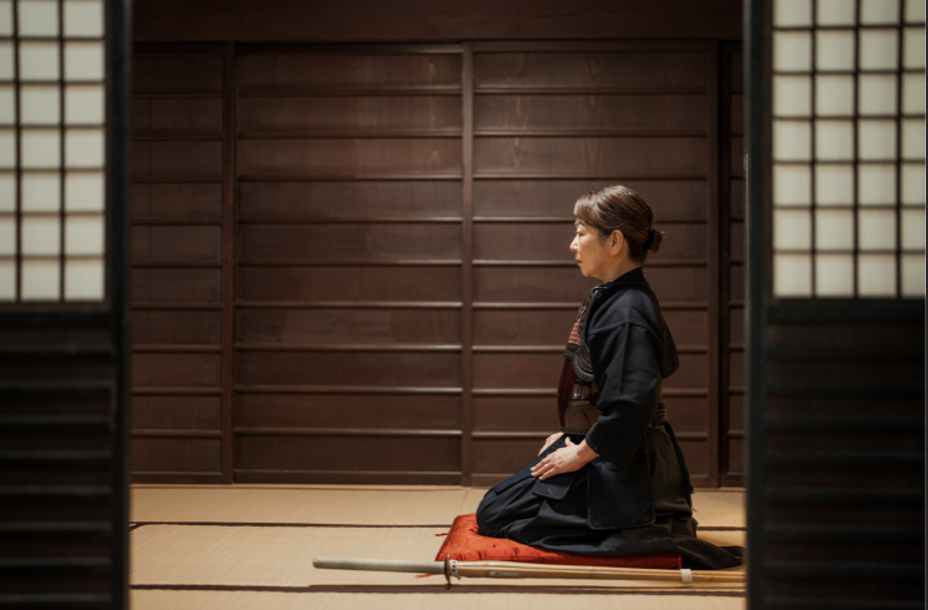
In Samurai culture, it is commonly believed that the katana contains the spirit of the samurai.
The Katana as a Symbol of Honor
The katana was more than a weapon for the samurai. It represented their discipline and commitment to the warrior's way of life. This sword was not just forged for battle. It went far beyond a mere tool of defense and played a prominent role in the cultural, spiritual, and social fabric of samurai society. The katana's influence extended into art, philosophy, and the code of honor known as Bushido.
The Spiritual Connection Between Samurai and Their Blades
The Soul of the Samurai
In Samurai culture, it is commonly believed that the katana contains the spirit of the samurai. The forging process required extreme skill, making each blade unique. The uniqueness of each blade also made it stand out and allowed those who carried them to move with pride as they went about fighting in battle with their swords.
A warrior treated his sword with deep respect, maintaining it carefully and viewing it as an extension of his existence. When a samurai carried a katana, it symbolized a commitment to courage, justice, and self-discipline.
Rituals and Sword Blessings
Before entering battle, samurai often performed purification rituals, seeking their gods' blessing for victory. They refused to battle without their gods' protection, believing it would give them an advantage over their competitors.
Related stories
Some swords were inscribed with prayers or marked with spiritual symbols to ward off evil. Temples and shrines housed katanas as sacred objects, reinforcing their connection to Japan’s spiritual traditions.
The Katana in Samurai Social Status
A Mark of Rank and Privilege
Contrary to popular belief, not all warriors had the right to carry a katana. Only samurai were permitted to wear these blades, distinguishing them from the rest of society. The sword was a badge of honor, reflecting its owner's status and lineage. The more intricate the craftsmanship, the higher the owner’s rank.
The Daisho: A Pair of Swords
Samurai often carried two swords—the katana and the wakizashi, a shorter blade. This combination, known as the daisho, symbolized authority. The wakizashi was used for close combat, self-defense, or ritual suicide (seppuku). Wearing both swords demonstrated a warrior’s complete dedication to Bushido.
The Role of the Katana in Bushido
The Way of the Warrior
Bushido, the samurai code, emphasized loyalty, discipline, and self-control. The katana reinforced these values. Warriors trained extensively to master the sword, not just for combat but to cultivate mental strength and honor. Swordsmanship was a lifelong pursuit, shaping character and decision-making.
A Warrior’s Final Act
Seppuku, or ritual suicide, was performed using a wakizashi rather than a katana. However, the presence of the katana in these ceremonies symbolized a samurai’s unbreakable commitment to duty. The sword served as a reminder that honor was more important than life itself.
The Katana in Japanese Tradition and Art
Swordsmithing as an Art Form
The forging of a katana was a sacred process, requiring masterful craftsmanship. Swordsmiths combined layers of steel, heating and folding the metal to create unparalleled strength. The blade’s curvature and razor-sharp edge reflected both functionality and artistic beauty. Each sword bore its maker's signature, making it a unique piece of history.
Influence on Japanese Culture
The katana’s presence extended into poetry, painting, and theater. Samurai poets wrote about their swords with reverence, while artists depicted warriors in dramatic duels. Noh and Kabuki performances often featured sword fights, highlighting the katana’s deep integration into Japanese storytelling.
The Katana in Modern Times
Collecting and Preserving Samurai Swords
Today, authentic Samurai swords remain highly valuable. Museums, collectors, and historians seek well-preserved katanas to study their craftsmanship and history. Owning a genuine samurai sword connects individuals to Japan’s rich martial traditions.
The Katana in Martial Arts
Modern disciplines such as kendo and iaido preserve the katana’s legacy. Practitioners train in traditional techniques, emphasizing precision, focus, and respect for the sword. These arts ensure that the philosophy behind the katana continues to inspire new generations, which leads to more awareness surrounding the culture behind martial arts.
Where to Find Authentic Samurai Swords
The beauty behind the making of samurai swords has traveled around the world. There are tons of people who are fascinated by samurais and want to learn more about the culture.
For those who appreciate the artistry and legacy of the samurai sword, www.samuraiswordstore.com offers a collection of high-quality katanas crafted using traditional techniques. These swords honor the craftsmanship and historical significance that define the samurai legacy.

Conclusion
The katana’s role in Samurai culture extends far beyond combat. It symbolizes honor, spirituality, and a way of life. From the battlefields of feudal Japan to modern martial arts, the sword continues to carry the spirit of the samurai. Its craftsmanship, cultural impact, and enduring legacy ensure that the katana remains one of the most revered symbols of Japanese history.
Comments

Powered by RoundtableAn AI/DeFi-powered Enterprise Media Operating System. Learn more at Roundtable.io.© Roundtable 2026. By using this site you agree to the Terms of Use and Privacy Policy