
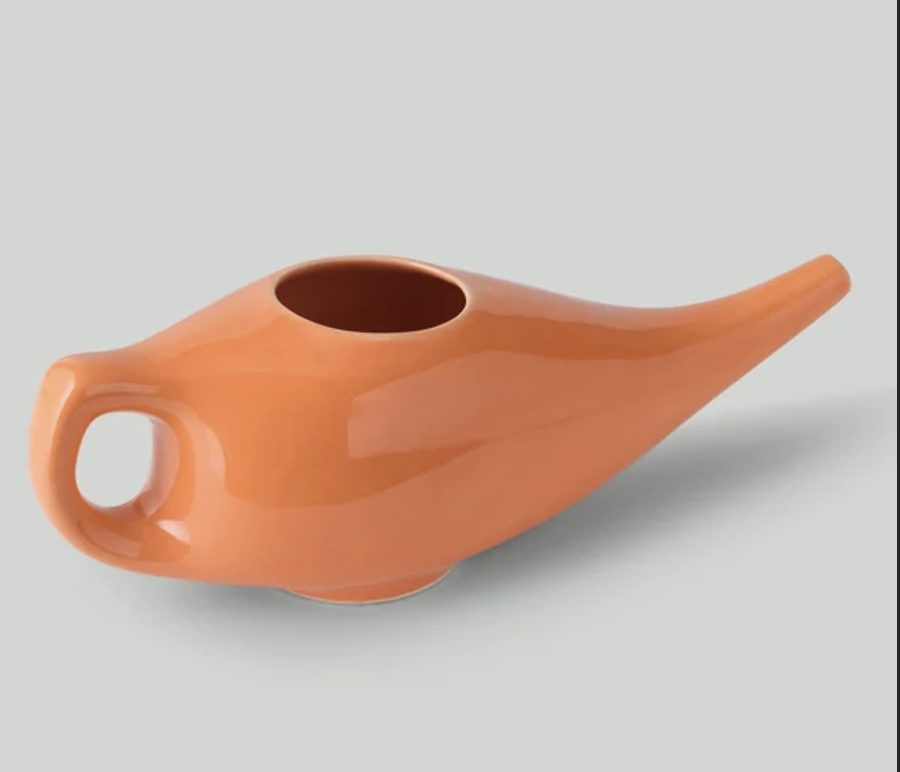


Safely Use a Neti Pot
Oct 12, 2024 7:00 AM
Updated Nov 18, 2025 6:02 AM
Preparing the Neti Pot: Choosing the Right Water and Saline Solution
Using the correct water type is essential for safe and effective neti pot usage. Sterile, distilled, or previously boiled and cooled water is recommended to prevent harmful microorganisms from entering the nasal passages. Tap water may contain bacteria and parasites, which can pose serious health risks if introduced into the sinuses.
When it comes to the saline solution, the goal is to mimic the body's natural fluids, ensuring comfort and safety. You can either purchase pre-mixed saline packets or create your own solution by dissolving non-iodized salt in the water. A common ratio is 1 teaspoon of salt per 16 ounces (about 500 ml) of water. Some people also add a pinch of baking soda to reduce the sting that can occur if the solution is too salty.
Both water quality and saline concentration are critical to ensure that nasal irrigation with a neti pot is not only effective but also safe, preventing irritation or infection. By following these precautions, you can enjoy the sinus relief that neti pots offer without unnecessary risks. For those uncertain about the safest nasal irrigation methods or experiencing chronic sinus issues, an ENT doctor can provide expert guidance to ensure effective and comfortable care.
Proper Technique for Using a Neti Pot: A Detailed Step-by-Step Process
Related stories
Using a neti pot correctly is key to achieving optimal sinus relief. Follow these steps to ensure effective and comfortable nasal irrigation:
1. Prepare the Solution: Begin by filling the neti pot with a saline solution. This can be a pre-mixed packet or one you’ve made by dissolving non-iodized salt in sterile, distilled, or boiled and cooled water.
2. Get Into Position: Stand over a sink and tilt your head to one side at about a 45-degree angle. Keep your forehead and chin at roughly the same level to prevent water from running down your throat.
3. Insert the Spout: Place the spout of the neti pot into the upper nostril. Ensure the spout fits comfortably without being too tight, allowing the solution to flow smoothly.
4. Pour the Solution: Gently tilt the neti pot, allowing the saline solution to flow into your nostril. It will pass through your nasal cavity and drain out of the opposite nostril. Breathe through your mouth as the solution flows.
5. Repeat on the Other Side: Once done, blow your nose gently to clear out any remaining solution, then repeat the process on the other nostril.
Following these steps will help ensure a smooth and comfortable neti pot experience, providing relief from sinus congestion.
Post-Neti Pot Care: Cleaning and Maintenance Tips to Avoid Infection
Proper cleaning and maintenance of your neti pot are crucial to prevent contamination and ensure safe use. After each use, the neti pot should be thoroughly rinsed with sterile or distilled water. Refrain from using tap water unless it has been boiled and then cooled down. This helps prevent any harmful microorganisms from lingering in the pot.
Once rinsed, clean the neti pot with mild dish soap, and make sure to scrub both the inside and the spout. Some pots are dishwasher-safe, but always check the manufacturer’s guidelines before placing them in a dishwasher. After cleaning, allow the neti pot to air dry completely before storing it. This step is important to avoid bacteria or mold growth.

For long-term care, regularly inspect your neti pot for any cracks or signs of wear, especially if it’s made of plastic or ceramic. If you notice any damage, replace the neti pot to prevent potential leaks or contamination. It is also a good idea to replace your neti pot every few months, especially if you use it frequently, to ensure continued hygiene and safety.
By following these simple maintenance tips, you can avoid infections and keep your neti pot in optimal condition for regular use.
Comments

Powered by RoundtableAn AI/DeFi-powered Enterprise Media Operating System. Learn more at Roundtable.io.© Roundtable 2026. By using this site you agree to the Terms of Use and Privacy Policy