
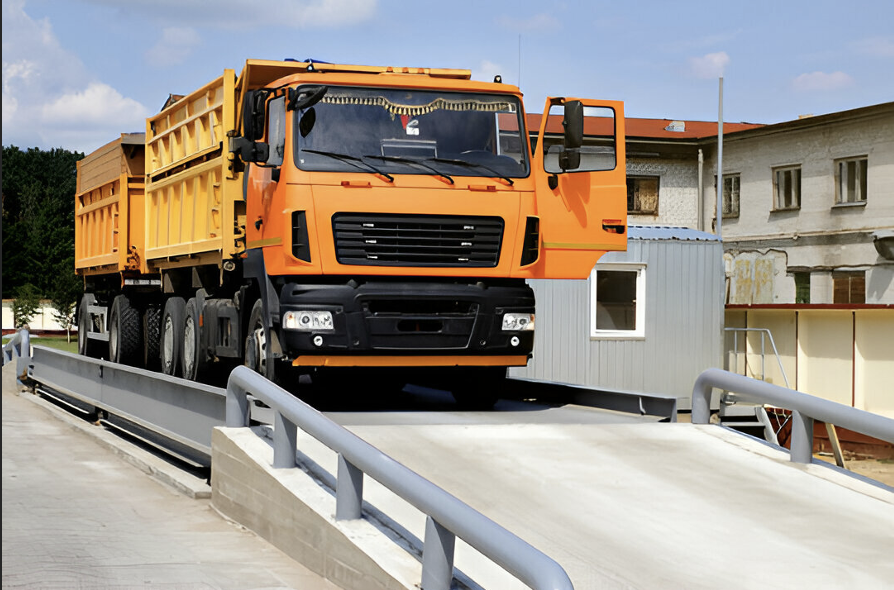


role of a weighbridge
Jun 8, 2024 7:00 AM
Updated Jun 10, 2024 11:29 PM
These weighing systems ensure accurate measurements of large volumes of materials or vehicles and serve as critical data collection points.
Every industry today seeks to use data to optimise its operations. This attribute is particularly noticeable in the logistics, manufacturing, and waste management, where precise measurements transform into concrete gains. Central to achieving such precision is the role of weighbridges in data collection.
These weighing systems ensure accurate measurements of large volumes of materials or vehicles and serve as critical data collection points.
Let’s look closer at the pivotal role of weighbridges in data collection.
Ensuring Accuracy and Reliability
Weighbridges offer significant accuracy in measuring heavy loads, a fundamental requirement for effective data collection. They use sophisticated technology to deliver precise weight measurements of vehicles and their contents. This precision creates a foundation for quality data collection, ensuring you can access reliable information for decision-making processes.
Related stories
Streamlining Operations
When weighbridges become part of operational workflows, efficiency is reached. This effect results from their automating the process of collecting data, which greatly cuts down mistakes made by humans and saves time from manual recording. The automation is not only limited to measuring weight but also includes other essential details like identifying the vehicle, when it got weighed and what type of load was on board.
As a result, your business can better use its operations, such as scheduling deliveries, managing inventory, or monitoring processes in production by using precise and current data.
Enhancing Compliance and Transparency
The operational status of a business usually depends on its ability to maintain compliance with regulations and be transparent. Correct weight information is crucial for following legal rules, especially in areas where overloading can cause serious safety, law-related or environmental issues. Weighbridges give authentic proof that all these rules are being followed correctly, helping you avoid fines and enhancing your company’s reputation for honesty.
This transparency extends to customer relationships, where accurate billing based on precise weight measurements fosters trust and credibility.
Facilitating Data-Driven Decisions
The information that weighbridges collect provides understanding about different parts of operations, ranging from finding problems in supply chains to evaluating how well loading processes work efficiently. You can use this data to make plans, decide on resources, and make operational changes with the aim of improving performance and outcomes.
The capacity to monitor and analyse patterns as they develop over time gives you more forecasting power and the ability to plan capacity and reduce environmental damage by using resources more efficiently.
Contributing to Financial Health
The data collected by weighbridges directly impacts the financial bottom line. Precise weight measurements can help avoid monetary loss because of undercharging for transported materials and penalties for overloading. By giving a detailed overview of material flow, weighbridge data assists you in strengthening inventory control, lessening waste, and improving billing accuracy.
Conclusion

The part of weighbridges in data collection is much more than just about weighing items. In this setting, weighbridges are key factors that assist businesses from different industries in reaching efficiency, openness, and sustainability. As technology improves, the usefulness of weighbridges in gathering and analysing data will only increase. This tendency may, in turn, open fresh paths for optimisation and expansion.
Comments

Powered by RoundtableAn AI/DeFi-powered Enterprise Media Operating System. Learn more at Roundtable.io.© Roundtable 2026. By using this site you agree to the Terms of Use and Privacy Policy