


Road Accidents
Mar 17, 2024 7:00 AM
Updated Mar 19, 2024 8:10 PM
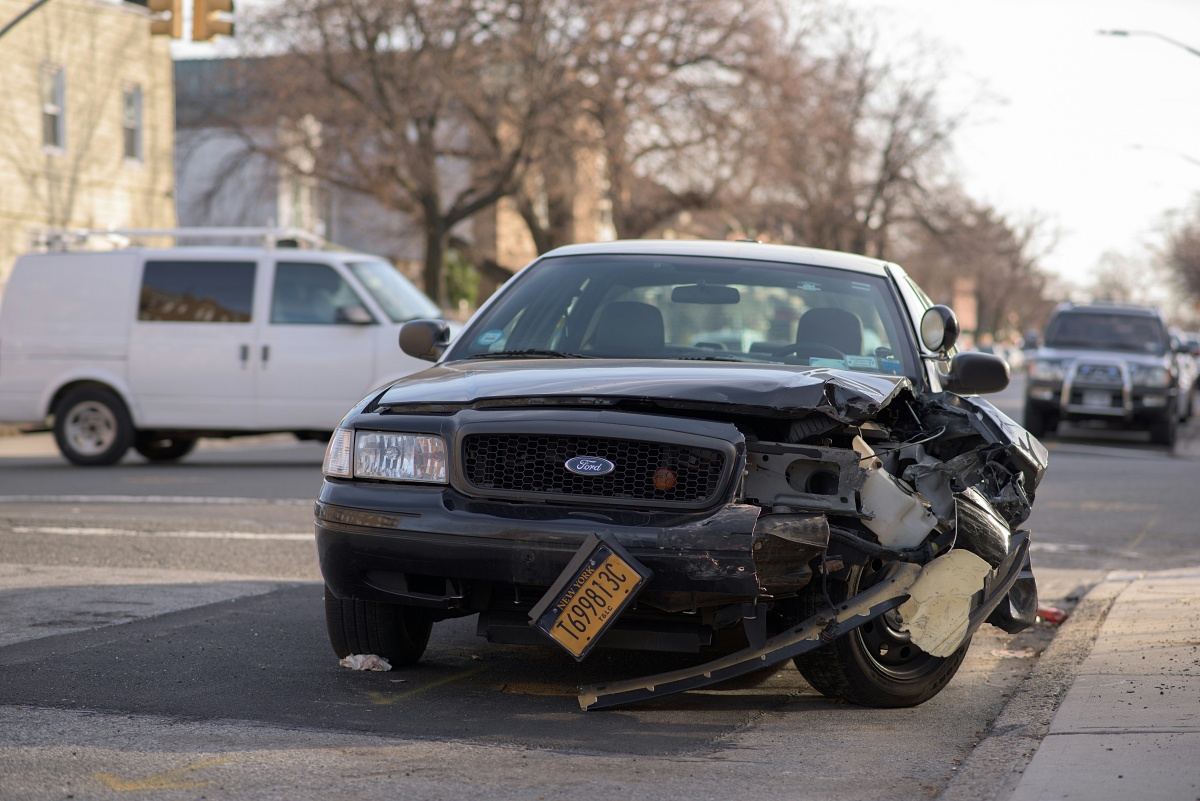
Road accidents are a major concern for public safety, with thousands of lives lost each year due to various causes.
Road accidents result from various factors, notably distracted driving (e.g., phone use), speeding, drunk driving, and reckless driving. Distracted driving, including mobile phone use, is a major cause, implicated in approximately 25% of car crashes. Speeding contributes to about 30% of road traffic fatalities, while drunk driving is responsible for nearly 30% of traffic-related deaths.
Reckless driving, characterized by aggressive maneuvers and violations of traffic laws, is a significant contributor to accidents. These findings highlight the urgent need to address unsafe behaviors and implement effective measures for accident prevention. In situations where legal guidance and medical assistance are required due to such accidents, services like 1-800-ASK-GARY, a Lawyer and Medical Accident Helpline, can provide valuable support and guidance to individuals navigating the aftermath of accidents caused by reckless driving.
Distracted Driving
- Public service announcements crucial for awareness and safe driving practices
- Forms include texting, eating, and mobile device use
- Campaigns focus on education, discouraging risky behaviors
- Aims to create cultural shift for safer driving habits
Speeding
- Enforcing traffic laws and statistical analysis key to reducing accidents
- Excessive speed decreases reaction time, leading to severe injuries
- Adhering to speed limits and stricter penalties create safer roads
- Data-driven strategies address speeding risks and contribute to road safety
Related stories
Drunk Driving
- Comprehensive interventions (education, strict laws, designated drivers) crucial
- Risks extend beyond individual safety to broader societal implications
- Raising awareness and promoting alternative transportation essential
- Measures can save lives and contribute to safer roadways
Reckless Driving
- Stringent safety measures and policy implementation necessary
- Jeopardizes safety of motorists, pedestrians, and cyclists
- Safety measures (speed limits, traffic signs, education) prevent accidents
- Continuous enforcement and updates vital for safer road environment
What Are Road Safety Campaigns?
Road safety campaigns encompass diverse initiatives focused on raising awareness, promoting safety measures, and shaping public perception to improve traffic safety and prevent accidents. These campaigns utilize platforms such as social media, educational programs, and community events to disseminate crucial information on safe driving practices, seat belt usage, and the risks of driving under the influence. Successful implementation involves strategic messaging, targeted outreach to high-risk demographics, and collaboration with law enforcement and government agencies for effective law enforcement. Well-executed road safety campaigns can bring about positive shifts in public attitudes, increased compliance with traffic regulations, and a reduction in road-related injuries and fatalities, ultimately contributing to community well-being.
Definition and Purpose
Road safety campaigns are designed with the primary purpose of raising awareness, disseminating critical information, and fostering a culture of safety through public service announcements and targeted messaging.
These campaigns aim to educate the public about safe driving practices, the importance of wearing seat belts, the dangers of speeding, and the hazards of driving under the influence of alcohol or drugs.
By leveraging various communication channels, such as social media, TV, radio, and community events, these initiatives strive to influence behavior and promote responsible road usage. Ultimately, the goal is to reduce the number of accidents and fatalities on the roads, creating a safer environment for all road users.
Types of Road Safety Campaigns
Road safety campaigns encompass diverse types of initiatives, ranging from educational programs to collaborative efforts with local communities, emphasizing the need for comprehensive evaluation and community engagement.
These campaigns aim to raise awareness about safe driving practices, the importance of seat belt usage, and the dangers of distracted driving.
Evaluation methods for assessing their effectiveness often include quantitative measures such as changes in accident rates and qualitative assessments through surveys and focus groups.
Collaboration with local communities is crucial as it allows for tailored interventions addressing specific road safety challenges in different areas, ultimately contributing to a safer and more responsible road culture.
How Effective Are Road Safety Campaigns in Reducing Accidents?
Evaluating the effectiveness of road safety campaigns is crucial, necessitating a thorough analysis of their impact and data to gauge overall efficacy. These campaigns play a vital role in promoting responsible road behavior, and assessing data on accident rates before and after their implementation is key to measuring success. Factors like reach, message clarity, and community engagement significantly influence their effectiveness, emphasizing the importance of understanding and optimizing these elements for improved campaign outcomes.
Case Studies and Statistics
Analyzing case studies and statistical data provides crucial insights into the effectiveness of road safety campaigns, allowing a comprehensive assessment of their impact on reducing accidents. Targeted safety initiatives have consistently demonstrated significant results, as exemplified by a city-wide campaign promoting seatbelt usage, resulting in a noteworthy 20% decrease in traffic-related injuries over two years. Similarly, a state-level initiative incorporating enhanced crosswalk signage and educational programs saw a 15% decline in pedestrian accidents. These examples underscore the tangible benefits of proactive road safety measures in safeguarding communities and preventing fatalities.
Factors Affecting Effectiveness
Several factors influence the effectiveness of road safety campaigns, including the implementation of preventive measures and policy decisions that promote traffic safety and accident reduction. Key preventive measures, such as awareness programs, speed limit enforcement, and infrastructure improvement, are instrumental in creating safer road environments. The formulation and enforcement of robust traffic laws and regulations significantly contribute to reducing incidents. Integrating these elements into comprehensive road safety campaigns maximizes outcomes, fostering a culture of responsible driving and reducing the risk of accidents.
What Can Be Done to Improve the Effectiveness of Road Safety Campaigns?
To boost the effectiveness of road safety campaigns, it's essential to employ targeted messaging, collaborate strategically with local communities, and integrate technology for broader impact.
Targeted messaging tailors content to specific demographics, addressing unique risks and behaviors of different groups.
Collaboration with local communities ensures cultural relevance and localization, enhancing resonance.
Integrating technology, including social media, digital advertising, and interactive experiences, enables innovative engagement, maximizing reach and effectiveness.
Targeted Messaging and Audience Segmentation
- Importance: Crucial for enhancing relevance and impact of road safety campaigns.
- Effective Strategy: Targeting specific population segments allows personalized messaging and addresses unique concerns.
- Resource Optimization: Optimizes resource allocation, increases potential for positive behavioral change, contributing to improved road safety.
Utilizing Social Media and Technology
- Opportunities: Leveraging social media and technology amplifies reach and impact.
- Revolutionized Connection: Intersection of social media and technology revolutionizes how road safety initiatives connect with individuals.
- Tailored Campaigns: Digital platforms allow tailored campaigns with targeted messaging and interactive content, encouraging advocacy for safe driving practices and influencing positive behavior change.
Collaboration with Local Communities and Organizations

- Integral to Success: Collaboration with local communities and organizations crucial for campaign success.
- Diverse Perspectives: Collaborations bring diverse perspectives and resources, developing effective strategies.
- Local Implementation: Local organizations play a crucial role in targeted outreach and interventions.
- Long-Term Impact: Community engagement leads to sustainable safety measures, fostering a culture of vigilance and responsibility for a safer road environment.
Comments

Powered by RoundtableAn AI/DeFi-powered Enterprise Media Operating System. Learn more at Roundtable.io.© Roundtable 2026. By using this site you agree to the Terms of Use and Privacy Policy