
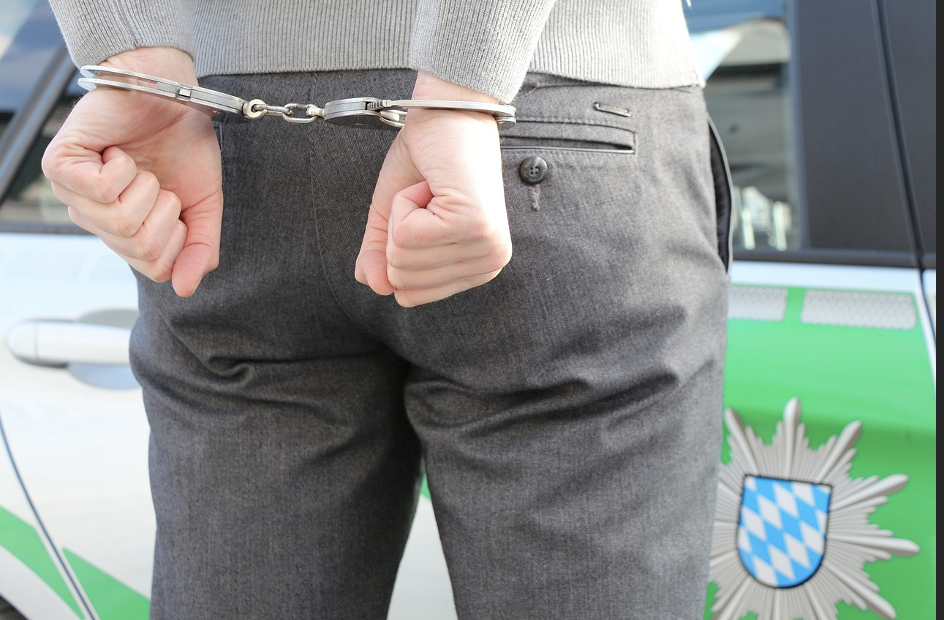
Photo by Pexels courtesy of Pixabay


Responsibilities During a Traffic Stop
Jun 3, 2024 7:00 AM
Updated Jun 5, 2024 11:50 PM
When you notice a police car signaling you to stop, remain calm and look for a safe place to pull over.
Getting pulled over by the police can be a nerve-racking experience, regardless of the reason. However, understanding your rights and responsibilities can make the situation less stressful and more manageable. Traffic stops are among the most common encounters between drivers and police, from Emporia to the East Village. Knowing the proper procedures can protect your legal rights while promoting safe interaction. Let’s take a closer look at the right way to interact with police during a routine traffic stop.
Pull Over Safely
When you notice a police car signaling you to stop, remain calm and look for a safe place to pull over. Use your turn signal to indicate your intentions, and find a safe space to stop. Pulling over safely also means avoiding sudden movements and keeping the traffic flow in mind.
Remain Inside Your Vehicle
Related stories
Once you have stopped, turn off your engine, roll down your window, and if it’s dark, turn on your interior lights. This shows the officer that you are not a threat. Stay inside your car unless the officer asks you to get out. Exiting your vehicle without being asked can be perceived as aggressive or suspicious behavior.
Keep Your Hands Visible
Place your hands on the steering wheel and keep them there unless otherwise directed by officers. Sudden movements, such as reaching into the glove compartment or under your seat without informing the officer, can escalate the situation. If you need to retrieve your documentation, tell the officer what you are doing and await their instructions or acknowledgment.
Provide Required Documentation
Officers typically ask for your driver’s license, vehicle registration, and proof of insurance. Have these documents easily accessible, but wait until the officer requests them before reaching for them. This avoids misunderstandings about your movements.
Communicate Calmly and Respectfully
When responding to officers, use respect to avoid confrontation. If you disagree with the reason for the stop or the ticket, remember that arguing on the spot is not in your best interest. You can contest any tickets in court, where procedures are in place to handle disputes.
Understand Your Rights
You have the right to remain silent. If you wish to exercise this right, you should inform the officer. However, providing identification and vehicle documents is mandatory. In most states, you are not required to consent to a vehicle search but be aware that if police believe your vehicle contains evidence of a crime, they can search it without your consent. If you feel like any of your rights have been violated, it’s wise to contact an Emporia traffic violation attorney to represent your interests in court.
Stay Calm
If the traffic stop leads to an arrest, remain calm and do not resist. Resisting arrest can lead to additional charges. You have the right to know why you were arrested. You also have the right to an attorney and should express your desire to speak with one as soon as possible.

A traffic stop can be stressful, but knowing how to interact with law enforcement can help reduce the anxiety and protect your rights. Maintaining safety, respect, and clear communication is essential. Consult a legal professional after the incident if you feel your rights were violated. If you follow these steps, you can handle a traffic stop in a way that is safe and responsible for everyone.
Comments

Powered by RoundtableAn AI/DeFi-powered Enterprise Media Operating System. Learn more at Roundtable.io.© Roundtable 2026. By using this site you agree to the Terms of Use and Privacy Policy