


May 1, 2024 7:00 AM
Updated May 4, 2024 2:46 AM
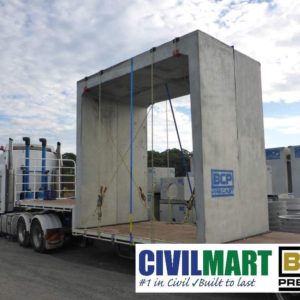
Concrete box culverts are the optimal solution for addressing these challenges due to their durability and effectiveness in managing water flow within drainage systems.
Water flow management is dependent on drainage systems, especially in urban and rural areas, safeguarding infrastructure from various risk factors in natural elements or human activity. These risks can significantly cause damage to urban nearby residing communities where the absence of effective drainage systems is rampant.
Concrete box culverts are the optimal solution for addressing these challenges due to their durability and effectiveness in managing water flow within drainage systems. The next few sections will describe how concrete box culverts contribute to the resiliency of drainage systems, resulting in a more sustainable environment.
The Importance Of Drainage Systems
Well-functioning drainage systems control rainfall, wipe away surface water to secure outlets and effectively avoid flooding problems. In contrast, inefficient drainage systems can cause serious waterlogging in urban areas or even cities, affecting property and health.
Additionally, the drainage system can deteriorate over time, especially with the threat of climate change causing rising water levels and eventually floods. Concrete box culverts have effectively addressed these issues for over a century, providing reliable service and ensuring the safe management of drainage systems.
Related stories
Role Of Concrete Box Culverts In Efficient Water Management
Concrete box culverts are critical to any drainage system, where they help in a smooth flow of water right under various structural buildings. The shape and strength of these culverts ensure that water can flow efficiently, as they are designed to be seamlessly installed in many setups. Besides, they can also offer support for the buildings above their surface.
Key Features Of Concrete Box Culverts
Discover the key features of concrete box culverts and learn how they revolutionize water management. Here are the key features listed below:
1. Improved Waterflow
Water flow efficiency is a major benefit of employing concrete box culverts in drainage systems. Their distinct smooth inside surface design reduces friction, speeding up water flow. Rapid drainage is vital during heavy rains or flash floods to prevent excessive water from flooding on street surfaces and infrastructure.
2. Enhances Water Quality
Concrete box culverts enhance water quality by efficiently managing stormwater runoff. As rainfall flows through drainage systems, concrete box culverts help to mitigate pollution and contamination by channeling water away from urban surfaces.
By minimizing the amount of pollutants entering natural water bodies, such as rivers and streams, these culverts contribute to maintaining cleaner and healthier aquatic environments. This pollution reduction benefits the local ecosystem and supports environmental sustainability goals.
3. Structural Integrity
Concrete box culverts are known for their strength and longevity, with steel bars or fibers that strengthen them against any moving traffic, soil pressure, and even earthquakes. The structural durability of drainage systems ensures they keep working for years, as highlighted in some systems installed years ago still provide the public with the service they need.
4. Adaptable Design
Concrete box culverts are also used in various residential culvert developments to large-scale infrastructure settings. Precast concrete components are modular, thus, they can be delivered, assembled, and installed quickly, avoiding surrounding activity disturbances and traffic.
5. Ecological Sustainability
Green-minded communities need sustainable drainage systems, with concrete box culverts and their eco-friendly qualities can greatly support sustainable development goals. Their lengthy service life lowers replacements, saving resources and reducing manufacturing emissions.
Concrete is recyclable, and surplus or out-of-service culverts may be crushed and reused in future building projects, minimizing waste and fostering circular economy concepts.
6. Affordability Or Cost-effective
Concrete box culverts are cost-effective drainage infrastructure despite their greater functionality and longevity. Municipalities, transportation agencies, and other stakeholders save money over time due to their cheap maintenance and long life expectancy.
As part of modular precast products, concrete box culverts as stated, save labor and construction time, lowering installation costs and minimizing business finance impact. Only purchase from reliable and reputable manufacturing companies to maximize cost savings.
Considerations Of Concrete Box Culvert Design
Accurate sizing and proper location guarantee optimal performance with a concrete box culvert. Sizing the culvert ensures efficient water current, while strategic location prevents water obstruction and backups. Through comprehensive guidelines, engineers can maximize the effects of concrete box culverts as part of their drainage system. Here are the other key takeaways:
1. Compliance With Regulations
It's impossible to negotiate drainage infrastructure regulations with insufficient experience and knowledge about construction basic building codes and permits. Manufacturing standards and specifications for these culverts ensure drainage systems meet or exceed regulatory requirements.
Concrete box culverts meet municipal, state, and federal stormwater, erosion, and environmental protection standards. This building code compliance fosters assurance, and confidence ensuring resilient drainage system sustainability.
2. Integration With Existing Drainage Infrastructure
Concrete box culverts fit seamlessly into other components, such as pipes and sewer channels, before integrating new culverts ensure that systems with drainage are compatible and sustainable.
This means all necessary evaluation and compliance must be followed and applied first before proposing construction projects. Here are some basic considerations when integrating new concrete box culverts:
● Careful assessment of the capacity
● Ensure proper project alignment
● Allow easy access for inspections and repairs
3. Biodiversity Sustainability In Culvert Design
Concrete box culverts can contribute to the sustainability of diverse natural habitats by integrating features such as wings, and structures attached to the culverts. This helps direct the flow of water and reinforce the structure against soil erosion.
In addition, these wings can also create additional habitat areas for wildlife and promote ecological connectivity by providing safe passages beneath roads and other barriers. Designing culverts with environmental sustainability is essential to reducing their negative effects on ecosystems, and effectively preserving biodiversity and natural habitats.
Enhancing Drainage Systems Resilience Through Concrete Box Culverts!
Concrete box culverts are the building blocks of highly performing and sustainable drainage systems, ensuring effective water flow, and improving the overall environmental impact. Based on the features and advantages of these culverts, designers, and users can come up with effective water management mechanisms with minimal risks associated with flooding and erosion.

Through careful design and illustration of the applications, concrete box culverts remain an indispensable part of building more sustainable and resilient drainage systems.
Comments

Powered by RoundtableAn AI/DeFi-powered Enterprise Media Operating System. Learn more at Roundtable.io.© Roundtable 2026. By using this site you agree to the Terms of Use and Privacy Policy