


Oct 6, 2025 7:00 AM
Updated Oct 9, 2025 10:20 PM
We’re witnessing a reimagining of neighborhoods as cafes, parks, and co-working spaces evolve into vibrant hubs of collaboration and connection.
As remote work becomes the norm, it’s transforming not just how we work but also how we live and interact within our communities. More people are finding freedom in flexible schedules and the ability to work from anywhere, leading to a profound shift in urban spaces and local dynamics.
We’re witnessing a reimagining of neighborhoods as cafes, parks, and co-working spaces evolve into vibrant hubs of collaboration and connection. Home setups matter too, from reliable Wi-Fi to a printer that’s ready when you are, and knowing how to tell if your printer cartridge is out of ink before a meeting. This shift is redefining our sense of community and the way we engage with our surroundings. By exploring these changes, we can uncover the potential benefits and challenges that come with this new way of living.
The Rise of Remote Work
Remote work is increasingly becoming a norm, transforming how we perceive the workplace and community engagement. This shift signals a significant change in work paradigms and the utilization of traditional office spaces.
Shifting Work Paradigms
Remote work fosters autonomy, allowing us to choose where and when we work. Increased flexibility enhances our productivity and job satisfaction. Studies from Stanford University show that remote workers can achieve up to 13% higher productivity levels. Organizations are adopting hybrid models, combining remote and in-office work, which accommodates diverse employee needs. This evolution promotes a culture of trust and accountability, encouraging collaboration across different settings.
Related stories
Impact on Traditional Office Spaces
Traditional office spaces are undergoing a significant transformation due to remote work. Companies downsizing office footprints in favor of flexible work environments and shared spaces reflect this change. According to JLL Research, demand for co-working spaces surged by 25% in the past year. Collaborative areas are becoming more common, emphasizing creativity and interaction rather than mere occupancy. This shift reduces overhead costs while creating vibrant hubs that meet our needs for community and connection.
Changes in Community Dynamics
Remote work significantly enhances community dynamics by fostering local engagement and reshaping social interactions. As we adapt to this new work paradigm, the connections we build within our neighborhoods become more vital.
Strengthening Local Connections
Remote work encourages us to engage more deeply with our local communities. We often visit nearby cafes, parks, and co-working spaces, transforming these locations into communal hubs. This shift not only supports local businesses but also cultivates relationships among residents. According to a recent survey by the Pew Research Center, 56% of remote workers report feeling more connected to their community. These strengthened ties enhance local networks and create greater opportunities for collaboration, fostering a sense of belonging.
New Social Norms and Interactions
While remote work changes our work routine, it also redefines social interactions. We embrace more informal gatherings, opting for coffee meet-ups instead of traditional office meetings, which cultivates a relaxed atmosphere for collaboration. Nearly 60% of remote workers prefer socializing in small groups, reflecting a desire for intimacy over large networking events. Moreover, virtual platforms facilitate connections, allowing us to maintain relationships and engage with a broader audience. This blend of in-person and digital interactions creates flexible social norms that adapt to our evolving lifestyles.
The Transformation of Urban Spaces
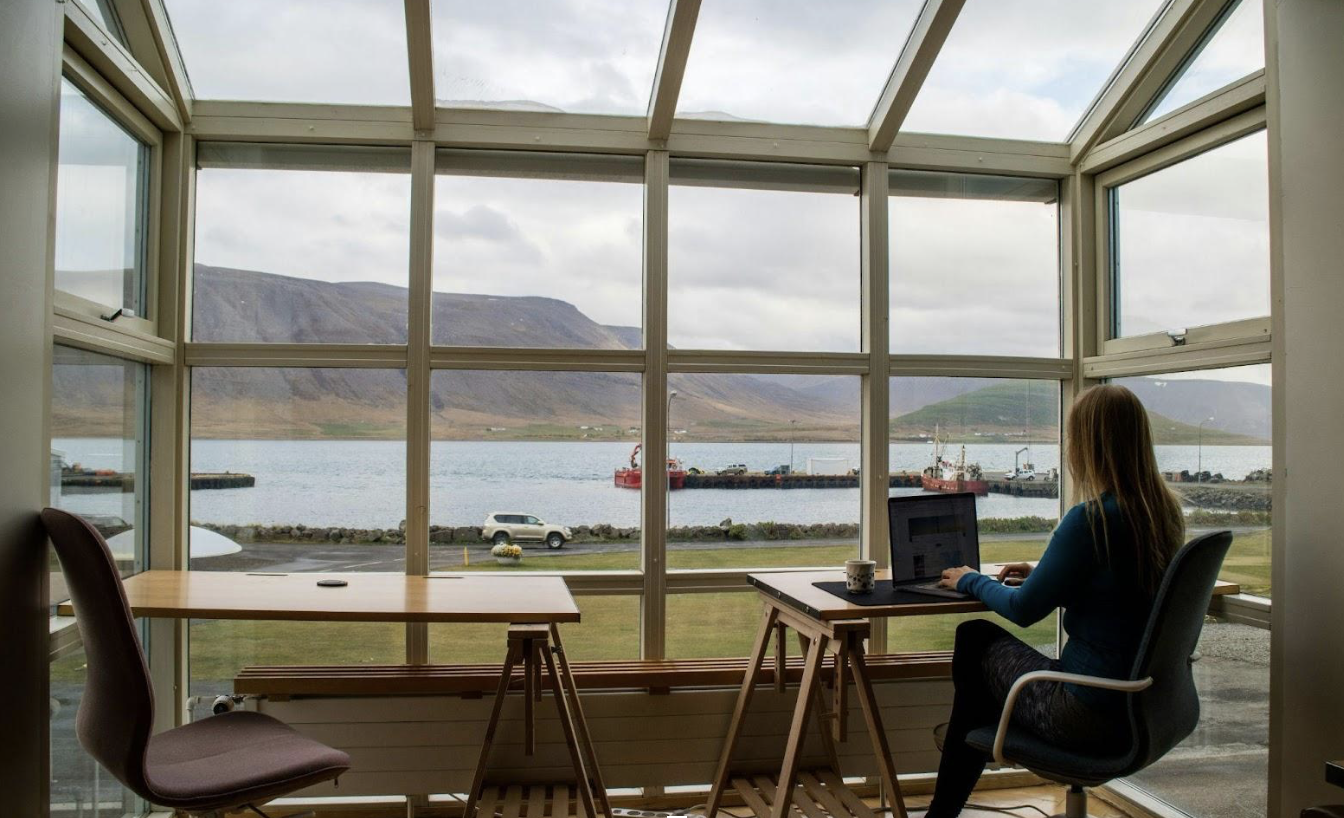
Photo by Windows on Unsplash
Remote work is redefining urban spaces, creating environments that encourage community interactions and collaboration. We observe how the blend of work and leisure impacts our surroundings, transforming both public areas and development practices.
Reimagining Public Areas
Public areas such as parks, plazas, and squares are evolving into multifunctional spaces that cater to remote workers and local residents. We see the emergence of outdoor workspaces equipped with Wi-Fi and seating, promoting productive atmospheres while enjoying nature. Cafes now serve as informal offices, where individuals gather to work and socialize. This shift encourages more active community participation, as we engage in community events and local markets, reinforcing social ties. As a result, urban design focuses on accessibility and aesthetics, fostering not just workplaces but vibrant community hubs.
Increasing the Demand for Mixed-Use Developments
The rise of remote work has heightened the demand for mixed-use developments, integrating residential, commercial, and recreational spaces. We identify a trend where new projects blend living spaces with shops, cafes, and co-working facilities, creating convenient environments that cater to our diverse needs. This integration promotes walkability, reducing reliance on cars and enhancing a sense of community. According to the Urban Land Institute, 70% of millennials prioritize living in neighborhoods that provide easy access to work and leisure. This shift encourages developers to prioritize mixed-use plans, facilitating a connected and engaged community we all benefit from.
Challenges and Opportunities
Remote work presents both challenges and opportunities for community life and urban spaces. As we navigate this shift, addressing the impact on mental health and supporting local businesses becomes essential.
Addressing Isolation and Mental Health
Remote work often leads to isolation, affecting mental health. Many remote workers experience loneliness due to reduced face-to-face interaction. Regular engagement in community activities can counteract this challenge. We see initiatives like local meetups and workshops fostering social connections. According to the American Psychological Association, nearly 60% of remote workers express concerns about feelings of disconnect. Encouraging collaborative spaces that promote social interaction helps mitigate these feelings. Communities can prioritize mental health resources and social support networks, making it easier for individuals to seek help and build connections.
Opportunities for Local Businesses

Remote work generates new opportunities for local businesses. As remote workers frequent local cafes, restaurants, and co-working spaces, they contribute to the local economy. About 70% of remote workers choose to work outside their homes at least once a week, creating demand for these establishments. Local businesses can adapt by offering services tailored to remote workers, like discounted meals or extended Wi-Fi hours. Collaboration between businesses and communities promotes unique events, such as networking nights and workshops, further enhancing local engagement. By fostering a supportive environment, local businesses can thrive in this evolving landscape, reinforcing community ties. For a deeper dive into the impact of remote work on urban life, we can look to sources like the Urban Land Institute.
Comments

Powered by RoundtableAn AI/DeFi-powered Enterprise Media Operating System. Learn more at Roundtable.io.© Roundtable 2026. By using this site you agree to the Terms of Use and Privacy Policy