


Mar 26, 2026 7:00 AM
Updated Apr 2, 2026 3:31 AM
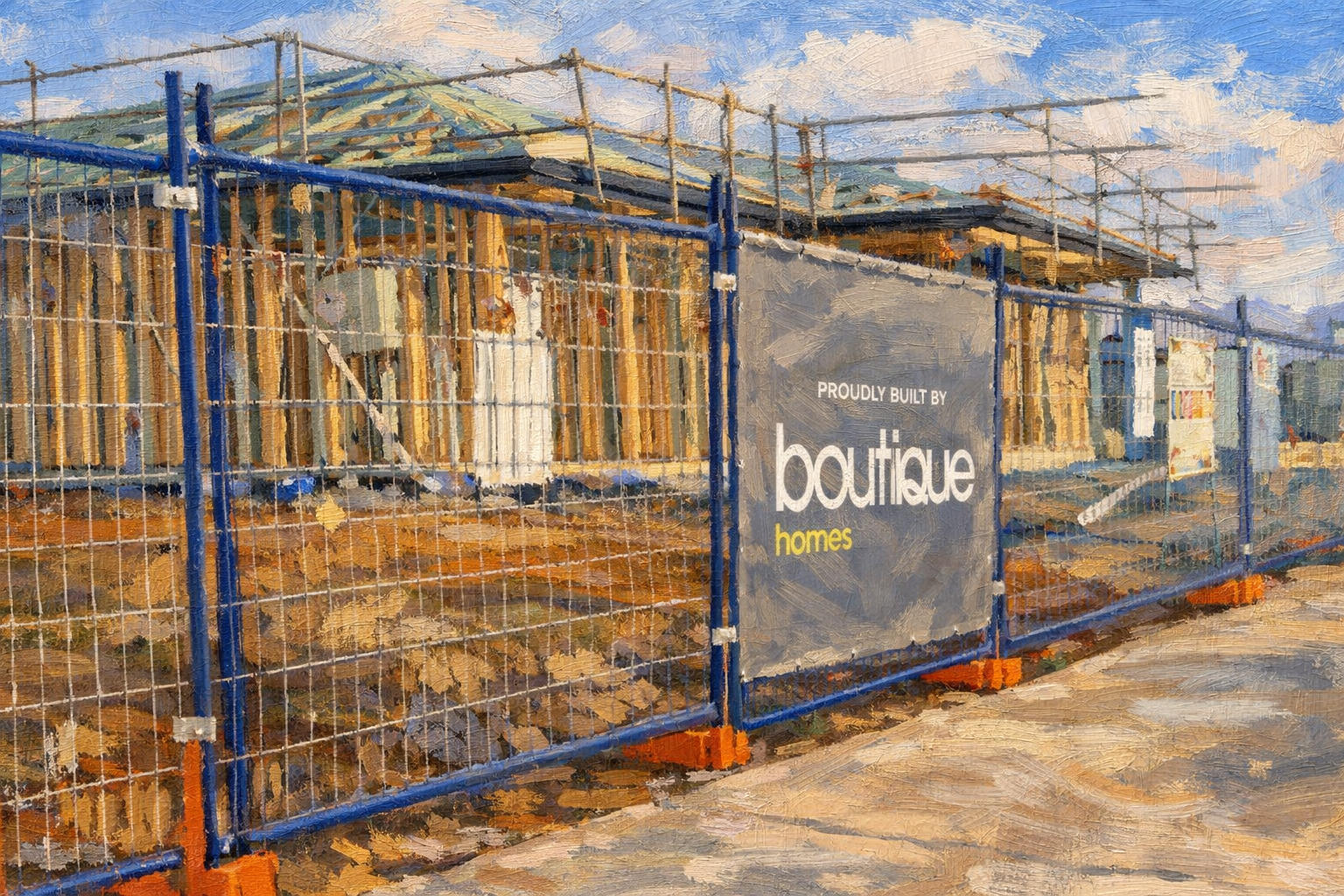
If the setup and takedown of these events is to be simple, look for fencing units that will provide simple structures and minimal building materials.
The first step towards achieving safety and organisation within the confines of any event or worksite is choosing the correct kind of temporary fencing. Good fencing solutions keep the site secure, steer and control the movement of crowds, and protect sensitive and restricted access areas. This blog helps you explain and justify temporary fencing that is durable, functional and suited to your specific needs.
Step 1: Identify Your Requirements
When you are choosing fencing for the event or project, first outline what you want to achieve. Take into consideration the expected crowd size, the kind of ground you will be on, and the level of security and crowd control you require, vs just needing to set visual barriers. That’s why knowing your needs will help you determine which fencing will be sited, strong, and designed to meet such requirements.
Step 2: Assess Fence Material and Build Quality
Temporary Fencing for Hire is made of all types of materials; typically steel or thick mesh material. Weighing options provides better security and resistance to the wear of time. Quality fencing materials decrease the risk of damage during setup and transport, which provides longevity. Longevity and reliability are the primary reasons for inspecting and maintaining these fencing materials.
Step 3: Consider Ease of Installation
If the setup and takedown of these events is to be simple, look for fencing units that will provide simple structures and minimal building materials. Panels that interlock, or can easily slip on and off of each other, can be easily shifted to a variety of fence options. Conducting a simple installation leaves the labour and setup for these events to other, more vital tasks that will need to be done during the events.
Related stories
Step 4: Evaluate Stability and Safety Features
Stability is a critical consideration, particularly for outdoor events exposed to wind or uneven surfaces. Look for fencing with secure base supports that prevent tipping, ensuring safety for attendees. Some temporary fencing includes anti-climb designs or reinforced edges for added security. Prioritising stability and safety reduces risk, helping you meet compliance and protect both people and property during use.
Step 5: Check Flexibility and Adaptability
Every event or construction site has unique requirements, and your fencing should adapt accordingly. Flexible panels allow you to create curved boundaries or temporary zones within larger areas. This adaptability also supports quick adjustments if circumstances change or unexpected needs arise. By choosing fencing that can be modified on-site, you ensure effective management of the space.
Step 6: Review Rental and Support Options
Many organisations prefer hiring temporary fencing rather than purchasing it, as this offers convenience. When selecting a supplier, consider services such as delivery, pickup, and on-site support. Reliable providers often offer guidance on the number of panels required and recommended setup practices. Evaluating these options ensures you receive a comprehensive solution that meets your needs.
Step 7: Factor in Cost and Value
While cost is a consideration, balance price with quality and functionality to achieve the best value. Cheaper fencing may save money upfront but could compromise durability, stability, or ease of use. On the other hand, high-quality temporary fencing often offers extended useand increased safety. Assessing both cost and value helps you make a choice that aligns with the demands of your event or project.
Choose Fencing That Works for You

Selecting the right temporary fencing requires careful planning and consideration of safety, flexibility, and usability. Reliable fencing contributes to organisation, security, and peace of mind, making your work or gathering run smoothly. Furthermore, following these seven important steps empowers you to choose fencing that is both practical and dependable, creating a safer and more controlled environment.
Comments

Powered by RoundtableAn AI/DeFi-powered Enterprise Media Operating System. Learn more at Roundtable.io.© Roundtable 2026. By using this site you agree to the Terms of Use and Privacy Policy