
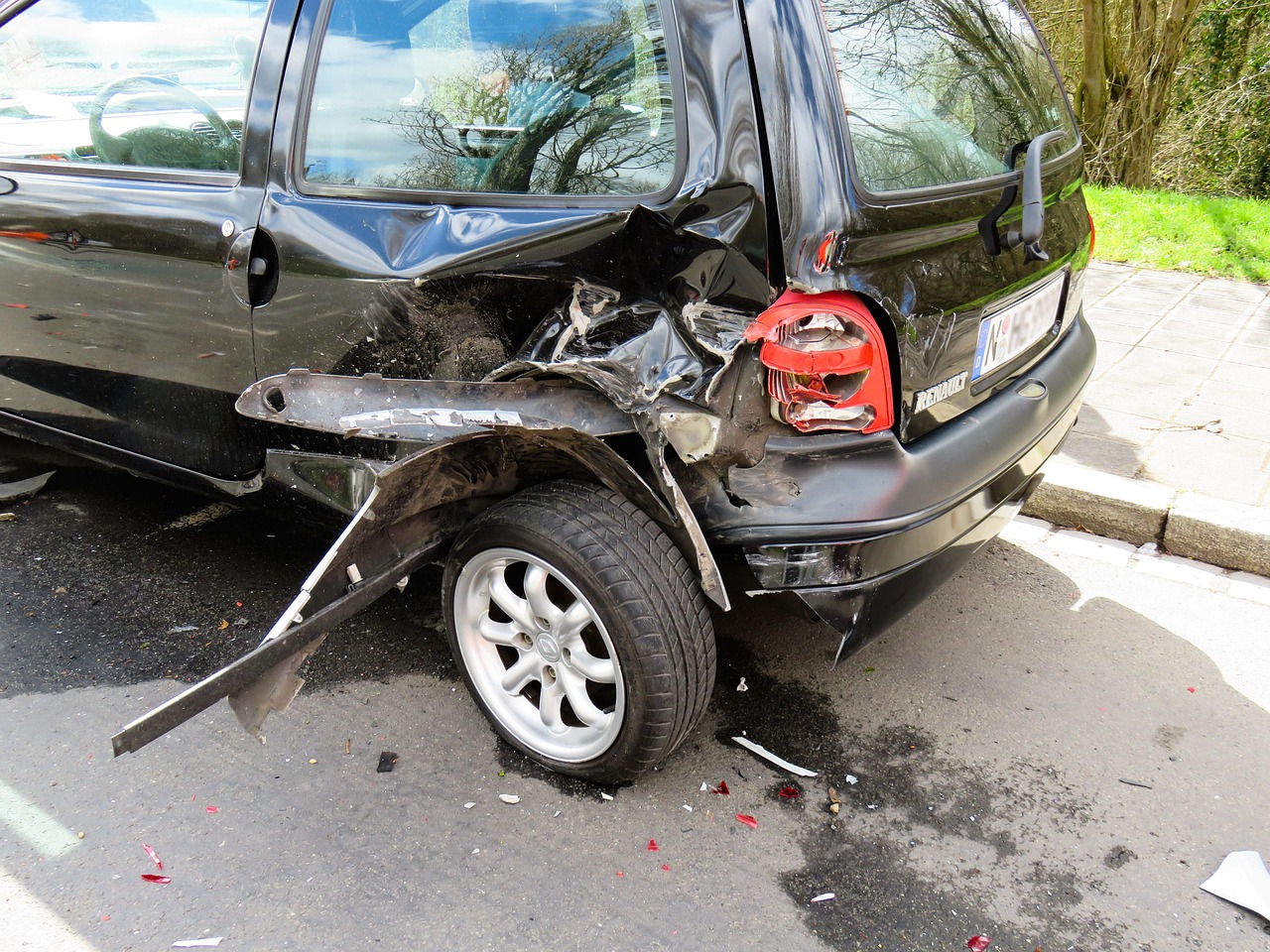
Image by G.C. from Pixabay


Oct 29, 2025 7:00 AM
Updated Nov 2, 2025 9:14 PM
Rear-end collisions happen so often on Manhattan avenues because dense traffic, short following distances, and sudden stops leave almost no margin for reaction.
Manhattan’s busy avenues create a driving environment unlike anywhere else. Every day, cars, buses, taxis, and delivery trucks fill the streets, leaving little room for error. The mix of constant motion, narrow lanes, and heavy congestion sets the stage for frequent rear-end crashes that frustrate drivers across the city.
Rear-end collisions happen so often on Manhattan avenues because dense traffic, short following distances, and sudden stops leave almost no margin for reaction. As vehicles crawl through intersections and crosswalks, even a brief lapse in attention can lead to a costly impact. Understanding the everyday conditions that cause these crashes helps explain why they remain one of the most common accidents in the city.
High traffic density with over 2 million vehicles entering Manhattan daily
Each day, more than 2 million vehicles enter Manhattan through bridges and tunnels. This heavy flow of cars, buses, and trucks creates constant congestion across major avenues. During rush hours, traffic often slows to a crawl, leaving little room for error between vehicles.
Frequent stops and short following distances make rear-end collisions more likely. Drivers must react quickly to sudden braking, and even a small delay can cause a crash. The crowded layout of Manhattan’s streets adds to this problem, especially in areas with frequent crosswalks and turning vehicles.
Related stories
As a result, many drivers and passengers face injuries from these collisions. Those involved often seek help from a Manhattan , New York City car accident lawyer to understand their rights and handle insurance claims. Legal guidance can help victims recover losses and deal with the complex process that follows a traffic accident in New York City.
Frequent stop-and-go conditions during rush hours lower speeds below 5 mph
Traffic on Manhattan avenues often slows to a crawl during rush hours. Vehicles move only a few feet before they must stop again, sometimes dropping speeds below 5 mph. This constant braking and accelerating creates uneven traffic flow and leaves little room for error.
Drivers face heavy stress in these conditions. The close spacing between cars increases the risk of rear-end collisions, especially if one driver reacts a second too late. Even a small lapse in attention can cause a bump that leads to traffic delays and minor injuries.
Stop-and-go movement also wears down brakes and tires faster. As vehicles struggle to keep pace, drivers may grow impatient and follow too closely. This behavior further reduces reaction time and raises the chance of impacts on crowded city streets.
Tailgating due to close following distances in congested traffic
Heavy traffic on Manhattan avenues often forces drivers to travel close to one another. Limited space and frequent stops reduce the time available to react to sudden changes in speed. As a result, even a brief lapse in attention can cause a rear-end collision.
Many drivers follow too closely because they fear losing their place in traffic. However, this behavior removes the safety margin needed to stop safely. A short gap leaves little room for error if the lead vehicle brakes suddenly.
Tailgating also increases stress and impatience among drivers. The constant stop-and-go movement can lead to frustration, which often causes aggressive behavior. Maintaining a calm attitude and leaving extra space helps prevent unnecessary accidents.
In congested areas, keeping at least one car length for every 10 mph of speed can reduce collision risk. Even small increases in following distance give drivers more time to react and keep traffic moving more smoothly.
Sudden stops caused by numerous traffic lights and pedestrian crossings
Traffic lights on Manhattan avenues sit close together, which forces drivers to slow or stop often. Each light change can cause a chain reaction as cars behind must brake quickly. This pattern raises the risk of rear-end collisions, especially during heavy traffic.
Pedestrian crossings add another layer of unpredictability. Drivers must stop for people stepping into the crosswalk, even after the light turns green. A driver who fails to notice a sudden stop ahead may not have enough time to react safely.
Taxi pickups, delivery trucks, and turning vehicles also interrupt traffic flow. These frequent pauses leave little room for smooth driving. As a result, drivers must stay alert and maintain a safe distance to avoid hitting the car in front.
The constant start-and-stop motion of Manhattan traffic creates conditions where even a brief lapse in attention can lead to a crash.
Driver inattentiveness and distractions contribute to delayed reactions
Drivers on Manhattan avenues often face heavy traffic, constant signals, and frequent stops. These conditions demand full attention, yet many drivers lose focus due to phones, conversations, or other tasks. Even a brief lapse can cause slower responses to sudden stops or changes in traffic flow.
Research shows that distracted drivers react later to hazards. A delayed response of even one second can mean the difference between stopping safely and hitting the car ahead. Therefore, in dense city traffic, inattention often leads to rear-end collisions.
Distractions such as adjusting controls, reading messages, or watching pedestrians divert a driver’s eyes from the road. As a result, they may fail to notice brake lights or slowed vehicles in time. The combination of close spacing and delayed reaction increases the risk of impact.
In addition, mental distractions can reduce awareness even if eyes remain on the road. Drivers may look but not truly see hazards, which further raises the chance of a crash.
Conclusion
Rear-end collisions happen often on Manhattan avenues because of dense traffic, frequent stops, and short reaction times. Drivers face constant red lights, crosswalks, and lane changes that leave little room for error. Even a brief distraction can cause a crash.
These accidents often involve tailgating and sudden braking in stop-and-go traffic. Many drivers misjudge distance or assume slow speeds make close following safe. However, even low-speed impacts can cause injuries and vehicle damage.
Better awareness, steady attention, and safe following distances help reduce these incidents. As traffic patterns remain unpredictable, drivers who stay alert and patient lower their risk of rear-end collisions in Manhattan.
Comments

Powered by RoundtableAn AI/DeFi-powered Enterprise Media Operating System. Learn more at Roundtable.io.© Roundtable 2026. By using this site you agree to the Terms of Use and Privacy Policy