


Mar 30, 2020 6:39 AM
Updated Feb 10, 2022 10:29 PM
Want to win up to $7,000 in cash prizes and a chance to become part of history? Read this and find out how you can help NASA design a new bucket for the RASSOR.
How would you like to become a part of history and be acknowledged by NASA as the brains behind one of their successes? How would you like to win $3,000 for an idea that NASA uses on one of their robots? These are opportunities you can take advantage of until April 20 since the NASA RASSOR robot is in need of a new bucket drum for its next mission.
The NASA RASSOR Challenge is a contest that invites CAD designers, students, and just about anyone who has a fantastic idea for a new bucket drum for the Regolith Advanced Surface Systems Operation Robot (RASSOR). The NASA RASSOR robot is a moon mining vehicle that collects regolith, which is what lunar soil is called. The bucket drum is what collects this soil and NASA wants a new design for this cylindrical tool for their MARS and moon missions.
NASA Moon and Mars mission
The NASA Moon and Mars mission is an exploration campaign that NASA is planning in cooperation with international as well as commercial partners. This particular mission’s aim is more than just one that takes astronauts to the moon and Mars then back to Earth. It is actually a mission that aims to establish a colony on the moon and subsequently on Mars by 2030.
To do this, NASA needs more information about the surface of these two astral bodies. This is where the RASSOR comes in. This robot will gather enough soil from the moon’s surface and send it back to Earth for research purposes. Scientists hope to find out more about the moon in order to come up with feasible plans for a lunar outpost with the help of the soil that the RASSOR collects.
Related stories
What is the NASA RASSOR robot?
The RASSOR was designed to help NASA’s scientists find out more about the moon, Mars, and hopefully, other planets in the future. This robot is an excavator that is designed to effectively collect dirt from the surface of the moon, which has very low gravity conditions.
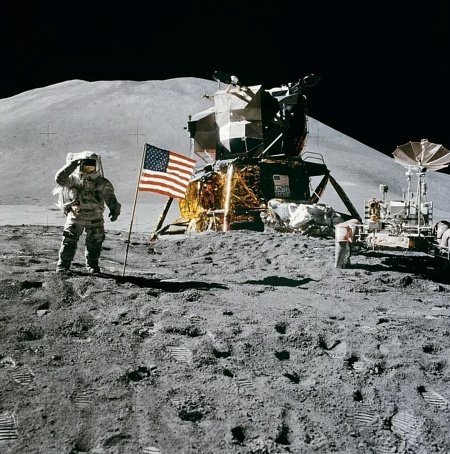
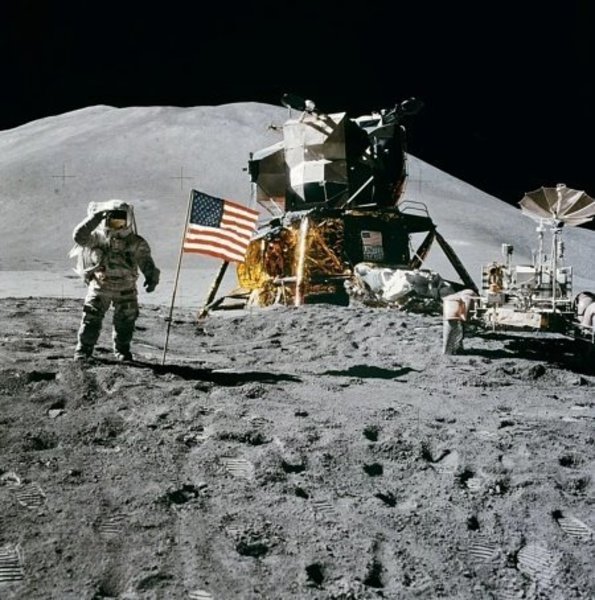
Ever since the Apollomoon landing, it has been the goal of NASA to establish a human presence not only on the moon but on other planets as well. With the help of this robot and the information that it can provide via the regolith it gathers, that goal can soon become a reality. It is also NASA’s goal to explore the rest of the galaxy and to bring back useful information to aid in the realization of these goals.
RASSOR robot design challenges and solutions
The creation of this robot was no easy feat. That is because of the many challenges that faced its designers. For starters, the robot needed to be compact enough to fit into a rocket so it can be easily sent to the moon, and later on, to Mars. This was achieved by making the RASSOR foldable and by using lightweight yet durable materials for its construction.
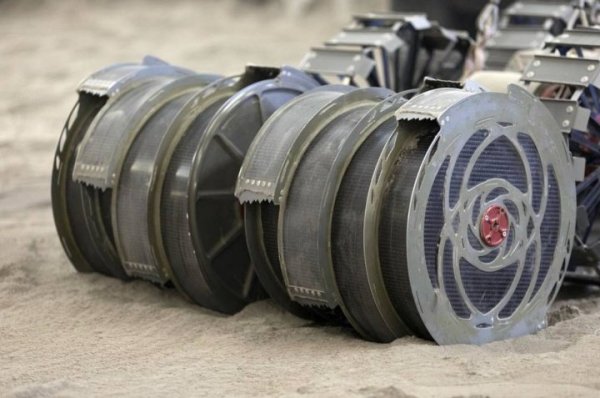
The robot’s design is also low-gravity capable, allows it to travel on rough terrain as well as steep slopes, and to continue operating even if it turns turtle. Another challenge that the designers of this robot encountered is in how to operate the robot without using heavy motors or driving equipment. The solution was thepanel-mounted servo drive from Elmo Motion Control.
RASSOR Bucket Drum Design Challenge
The next challenge that designers and NASA engineers faced with the NASA RASSOR robot is with the bucket drum. In order for the robot to bring home enough soil samples from the moon’s surface, it has to gather enough regolith and deposit it at a designated area for collection. The biggest obstacle designers face when it comes to theBucket Drum Design Challengeis in coming up with a design that keeps all the regolith within the bucket as the robot moves from one place to another.
This challenge is open to everyone who has an interest in designing for NASA. These include students, engineers, professional designers, and CAD specialists who are not yet part of NASA or the space industry. The winner of this contest will take home not only the honor of having the best drum design for the NASA RASSOR challenge, but also $3,000. Runners-up will also get cash prizes for their efforts.
Rostyslav Radchenko
Sponsored
Comments

Powered by RoundtableAn AI/DeFi-powered Enterprise Media Operating System. Learn more at Roundtable.io.© Roundtable 2026. By using this site you agree to the Terms of Use and Privacy Policy