


Radiology Modalities
Jan 29, 2024 8:00 AM
Updated Jan 31, 2024 9:15 PM
Uncover the remarkable progress in radiology modalities and their profound influence on patient care, optimizing medical decision-making and patient outcomes.
Radiology modalities play a crucial role in diagnosing and treating various conditions. But how exactly have these advancements shaped patient care?
Radiologic technology has revolutionized to see inside the human body without incisions. These tools allow for early detection of diseases. It also paves the way for invasive treatments, elevating the standard of healthcare.
Can AI integration with radiology modalities revolutionize precision medicine? These innovations provide a sharper image of patient care advancement.
Overview of Radiology Modalities
Related stories
Modalities of radiology are imaging techniques that use different technologies. It is to produce internal body images.
These images help healthcare providers diagnose and treat different medical conditions. The most used radiology modalities include:
X-ray
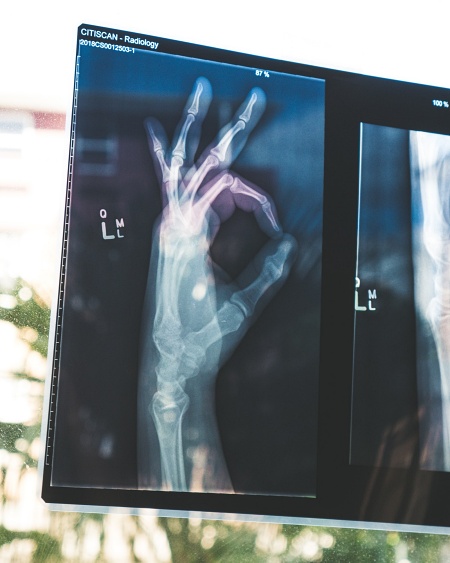
X-rays stand as the oldest and most used radiology modality. They penetrate body tissues to reveal the internal structure.
Bones absorb X-ray rays more than soft tissues. It creates clear images of the skeletal system.
They help detect fractures, tumors, or lung issues. X-ray technology evolves to enhance image clarity. It reduces exposure risks, improving patient safety.
For healthcare experts seeking advances, it's vital to find X ray CE courses. It covers the latest developments in imaging clarity and safety standards.
Computed Tomography (CT)
CT scans are sophisticated imaging tools. They use X-ray technology to take detailed pictures of internal organs. CTs create cross-sectional images of the body.
It provides a more comprehensive view. They assist physicians in diagnosing complex conditions with greater accuracy. CT technology continues to advance, reducing scan times and enhancing patient comfort.
Magnetic Resonance Imaging (MRI)
MRI is a non-invasive imaging technology that uses a magnetic field and radio waves. It is to create detailed images of the body's organs and tissues.
MRIs do not use ionizing radiation. It makes them useful for frequent monitoring.
They excel in visualizing soft tissues. It includes:
● brain
● muscles
● tumors
Their ability to discern between tissue types is unparalleled. This modality is crucial for diagnosing various conditions.
It includes brain abnormalities and knee injuries. Innovations in MRI tech continue to improve image quality and reduce scanning time.
Ultrasound
Ultrasound uses high-frequency sound waves to image soft tissues and organs. It's a real-time modality. It can capture movement, like a beating heart or a developing fetus.
There's no radiation, making it safe for pregnancy and repeated use. Ultrasound is versatile and portable.
It is often used in diagnostics and guiding invasive procedures. Innovations have enhanced image quality and broadened its applications in medicine.
Nuclear Medicine
Nuclear medicine uses radioactive materials to diagnose and treat disease. It provides unique insights into physiological processes.
These scans detect anomalies early on at the cellular level. It assesses how organs function, not just their structure. This approach is critical for:
● certain cancers
● heart diseases
● neurological conditions
Advancements in Radiology Modalities
Over the years, radiology modalities have undergone advancements, leading to improved patient care. These advances include:
Improved Image Quality
High-resolution images allow for better visualization of anatomical structures. It aids in accurate diagnoses and cure planning.
Reduced Radiation Exposure
Technical advances have led to lower radiation doses during imaging procedures. It minimizes the potential risks to patients.
Faster and More Accurate Diagnosis
Advanced imaging techniques and software algorithms enable radiologists to interpret images. It leads to faster diagnoses and timely interventions.
Enhanced Treatment Planning
Radiology modalities provide valuable information for treatment planning. It helps healthcare experts tailor personalized treatment strategies for patients.
Minimally Invasive Procedures
Radiology has changed surgery with invasive procedures. It allows for smaller incisions and less trauma. Patients undergo quicker recovery times and reduced pain.
These procedures often rely on real-time imaging guidance. It leads to precise interventions. This shift underscores a duty to patient-centered care.
Impact on Patient Care
The advances in these modalities have impacted patient care. It provides several benefits, such as:
Early Detection of Diseases
Radiology modalities aid in the early detection of diseases. It allows for prompt intervention and better cure outcomes.
More Precise Diagnosis
High-quality images enable radiologists to make accurate diagnoses. It leads to targeted cures and improved patient outcomes.
Personalized Treatment Plans
Radiology provides vital information about a patient's condition. It allows healthcare experts to develop personalized treatment plans tailored to individual needs.
Improved Patient Outcomes
Timely and accurate diagnoses, coupled with advanced treatment planning. It contributes to improved patient outcomes. It includes:
● increased survival rates
● better quality of life
Enhanced Patient Experience
Enhanced patient experience is a direct result of radiology progress. Modern modalities offer a less intimidating setting. Quick scanning reduces stress.
Patient comfort is prioritized. Digital systems streamline the process. It leads to shorter wait times.
Personalized care from detailed imaging strengthens patient trust. Radiological progress transforms the healthcare journey into a more positive, patient-centered experience.
Case Studies and Examples
The impact of these modalities on patient care can be seen in various case studies and examples. It includes:
Cancer Treatments
Radiation oncologists use a combination of imaging techniques, including CT and PET scans. It is to develop precise radiation therapy plans for cancer patients. This approach minimizes damage to healthy tissues while effectively targeting tumors.
Neurodegenerative Diseases
MRI scans are vital for early diagnosis and monitoring of neurodegenerative diseases. It includes:
● Alzheimer's
● Parkinson's
These images provide valuable insights into the progression of these conditions. These aid in the development of targeted treatment plans.
Prenatal Care
Radiology tech modalities can bring benefits to prenatal care. These technologies, especially ultrasound, play a fundamental role. They ensure the health of both mother and fetus during pregnancy.
Radiology tech offers real-time monitoring. It confirms normal development and detects potential issues early.
It is vital for proactive intervention. Radiology tech supports safer pregnancies and healthier outcomes.
Learn More About Radiology Modalities
In healthcare, radiology modalities have become a beacon of progress. They reshape patient experiences and outcomes. With sharper images and safer processes, diagnoses are now more accurate.
Treatments become personalized and less invasive. Patients recover faster with less pain. These tools are not just instruments.

They reflect our dedication to compassionate care. Continuous innovation in radiology promises even greater strides in patient care.
Did you find this article helpful? If so, check out the rest of our site for more informative content
Comments

Powered by RoundtableAn AI/DeFi-powered Enterprise Media Operating System. Learn more at Roundtable.io.© Roundtable 2026. By using this site you agree to the Terms of Use and Privacy Policy