
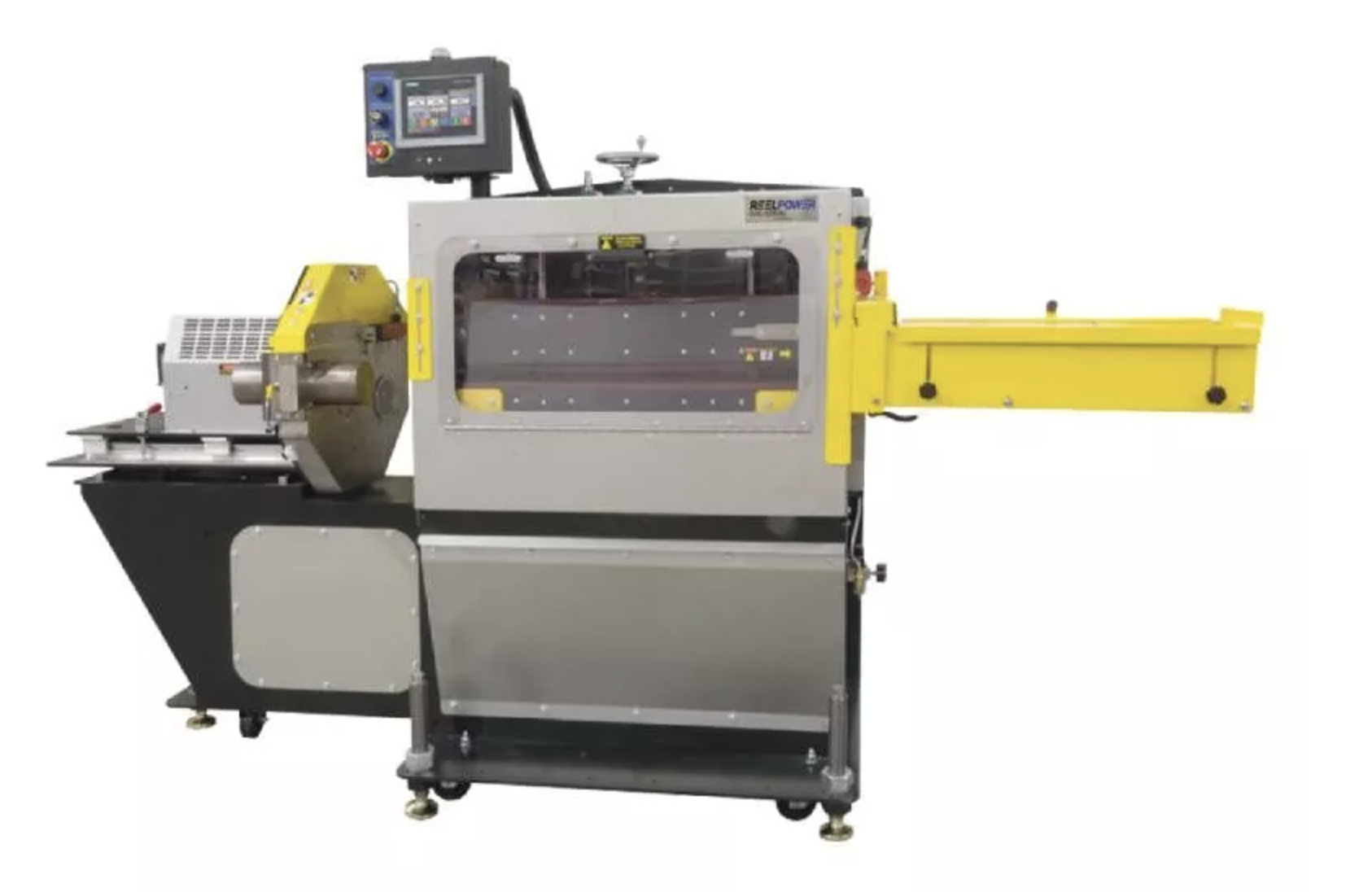


Puller Cutter Combination
Sep 28, 2024 7:00 AM
Updated Oct 1, 2024 12:43 AM
A Puller Cutter Combination is a device commonly used in the downstream extrusion process, which is part of plastic or rubber manufacturing.
In the extrusion process, managing the flow of materials and ensuring precise cutting are critical to achieving high-quality final products. One effective solution that integrates these functions is the puller cutter combination, a machine designed to pull the extruded material while simultaneously cutting it to the required lengths. This combination system helps streamline the production process, maintain product quality, and increase efficiency.
In this blog post, we'll cover the various types of puller cutter combinations, their advantages, and how they work to improve downstream extrusion operations.
What is a Puller Cutter Combination for Downstream Extrusion?
A Puller Cutter Combination is a device commonly used in the downstream extrusion process, which is part of plastic or rubber manufacturing. This combination system integrates two key functions:
- Puller: After the material (such as plastic or rubber) is extruded into a desired shape, the puller helps maintain a steady tension and speed as the product moves away from the extruder. It essentially "pulls" the extrudate along the production line, ensuring consistent thickness and dimensional accuracy.
- Cutter: Once the extruded material reaches the desired length, the cutter slices it into smaller, manageable pieces. The cutting mechanism is often synchronized with the puller to ensure the product is cut at precise intervals.
Related stories
What Are the Types of Puller Cutter Combinations for Downstream Extrusion?
There are several types of puller cutter combinations for downstream extrusion, each suited for different applications depending on the material being processed and the specific requirements of the production line. Here are the main types:
Belt Puller and Rotary Cutter Combination
This type combines a belt puller, which grips and pulls the extruded material, with a rotary cutter that continuously cuts the material into predetermined lengths. The belt puller applies consistent tension on the material to ensure smooth feeding into the rotary cutter.
● Applications: Commonly used for extruded profiles, pipes, and tubing made from rigid or semi-rigid materials like PVC, HDPE, and PP.
Caterpillar Puller and Guillotine Cutter Combination
A caterpillar puller features two tracks that grip and pull the extruded material, providing high pulling force for larger, heavier extrusions. Paired with a guillotine cutter, this system ensures clean, straight cuts, especially for larger or thicker materials.
● Applications: Ideal for cutting thick rubber profiles, plastic sheets, and larger-diameter extruded pipes or profiles.
Fly Knife Cutter with Dual-Belt Puller Combination
In this setup, a fly knife cutter is paired with a dual-belt puller. The puller ensures steady feeding, while the fly knife, a high-speed rotating blade, cuts soft or flexible materials with precision. The fly knife can be adjusted for variable cutting lengths, making it versatile for a range of materials.
● Applications: Suitable for cutting softer, flexible materials such as rubber, silicone tubing, and soft plastics.
Vacuum Puller with Pneumatic Cutter Combination
This type of combination uses a vacuum puller to control the tension and alignment of the extruded material. A pneumatic cutter then provides quick, efficient cuts. Vacuum pullers are especially useful for delicate materials that require careful handling to prevent damage.
● Applications: Used in industries where lightweight or delicate extruded materials, such as foams or soft polymers, need precise cuts.
How Does a Puller Cutter Combination Work?
The puller cutter combination operates by synchronizing the pulling and cutting actions to ensure accurate cutting and consistent product length. Here’s a breakdown of how it works:
Step 1: Feeding the Extruded Material
Once the extrusion process is complete, the continuous stream of extruded material is fed into the puller cutter combination. The puller, which can be a belt, caterpillar, or vacuum type, grabs the material and applies the necessary force to pull it forward. This pulling action is essential for controlling the speed of the material and preventing stretching, sagging, or distortion.
Step 2: Tension Control
As the puller grabs the material, it applies consistent tension to maintain a steady and even feed into the cutting mechanism. This tension control ensures that the material is delivered smoothly, without slack or bunching, which could cause inaccurate cuts.
Step 3: Cutting Mechanism
Once the material reaches the cutter, the cutting mechanism is activated. The type of cutter (rotary, guillotine, fly knife, or pneumatic) will depend on the application and material properties. The cutter is pre-programmed to cut the material at specified intervals, ensuring that the cuts are made at the correct lengths.
Step 4: Synchronization
The cutting action is synchronized with the extrusion speed and pulling force to maintain consistent product length and quality. This synchronization is key to ensuring that the material is cut without causing defects like rough edges, deformations, or irregular lengths.
Step 5: Output Handling
After the material is cut, it is either moved to the next stage of the production line, packed, or inspected for quality control. Depending on the setup, the system may include conveyors or handling equipment to organize and transport the cut materials efficiently.
What Are the Advantages of Using a Puller Cutter Combination?
The puller cutter combination offers several advantages over standalone pullers or cutters in extrusion processes. Here are the main benefits:
1. Improved Efficiency
By integrating the pulling and cutting functions into a single machine, the puller cutter combination significantly enhances production efficiency. The material is pulled and cut in one continuous operation, reducing the need for additional manual handling or processing steps. This streamlined process saves time and increases throughput on the production line.
2. Enhanced Precision
Puller cutter combinations are designed to deliver highly accurate cuts at consistent lengths. The synchronization between the pulling force and cutting speed ensures that each piece of material is cut exactly to specification, minimizing waste and reducing the need for rework.
3. Versatility
These systems can handle a wide range of materials, from rigid plastics and metals to flexible rubber and foam. The ability to switch between different types of pullers and cutters makes puller cutter combinations versatile enough to be used in various industries, including plastics, rubber, cable manufacturing, and food processing.
4. Reduced Material Waste
With precise tension control and accurate cutting mechanisms, puller cutter combinations help minimize material waste by ensuring that every piece is cut correctly on the first pass. This not only reduces material costs but also contributes to a more sustainable production process.
5. Consistent Product Quality
The puller cutter combination maintains consistent product quality by ensuring uniform cuts and preventing defects caused by uneven feeding or misaligned cutting. This is especially important in industries where product dimensions and quality must adhere to strict standards, such as in pipe manufacturing or medical tubing production.
6. Cost-Effective Operation
Integrating pulling and cutting functions into a single machine reduces the need for separate equipment, leading to lower capital investment and maintenance costs. Additionally, the increased efficiency and reduced material waste translate to lower operational costs over time.
Conclusion
Puller cutter combinations are an invaluable part of many downstream extrusion processes. By synchronizing the pulling and cutting functions, these machines deliver precise cuts, reduce waste, and enhance overall efficiency. With various types available—such as belt pullers with rotary cutters, caterpillar pullers with guillotines, and vacuum pullers with pneumatic cutters—manufacturers can choose the combination that best suits their specific production needs.

Whether working with rigid pipes, flexible tubes, or delicate foams, puller cutter combinations offer versatility and reliability across a wide range of applications. By streamlining the cutting process and maintaining product consistency, these systems contribute significantly to improved product quality and cost-effective manufacturing.
Comments

Powered by RoundtableAn AI/DeFi-powered Enterprise Media Operating System. Learn more at Roundtable.io.© Roundtable 2026. By using this site you agree to the Terms of Use and Privacy Policy