


Jul 5, 2023 7:00 AM
Updated Jul 7, 2023 5:05 PM
To optimize their learning, individuals should take time to capture lessons they learned at the end of each transaction they work on.
Private equity is a high-stakes industry. The difference between good investment decisions and bad ones can be millions of dollars in gains or losses for the firm and its investors. Investment decisions likewise result in significant career and financial consequences for individual professionals. Fresh research by Columbia University's Aamir A. Rehman explored how private equity professionals develop acumen and become good at what they do.
Rehman's study explored
- what sources of learning most help private equity professionals hone their craft,
- what learning behaviors and strategies they find most beneficial, and
- how the business model and organizational factors support or hinder learning from experience.
How do private equity professionals learn?
Related stories
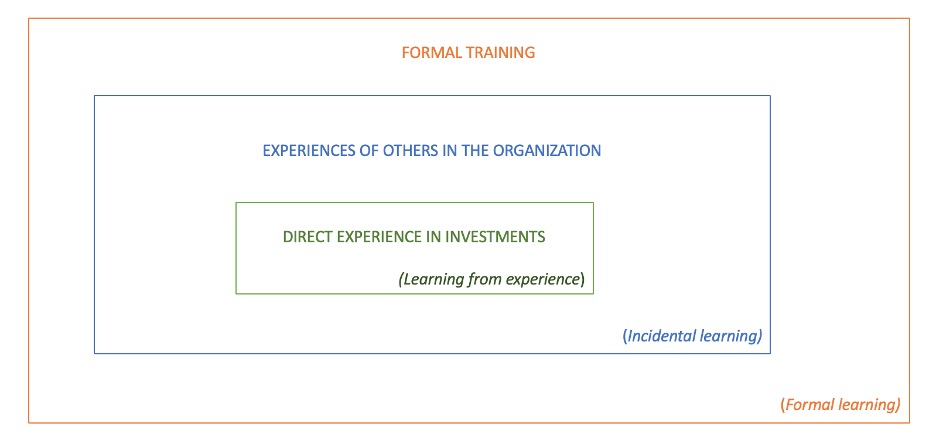
Rehman's study found that private equity professionals learn principally through direct experience working on transactions.
Investors he interviewed repeatedly stressed that "there is no substitute" for directly working on deals, and that learning is most intense in the midst of transactions.
A second source of learning is the experiences of others in the same organization. Hearing, reading, and speaking about transactions undertaken by the firm brings benefit not only to the team that did that deal but also to other who can apply the lessons from that transaction to their own.
Formal learning – through training, reading, and workshops –- is a third source of learning for private equity professionals. Formal learning is especially important at the early stages of one's career when they have limited direct and indirect experience to draw from.
What can firms do to enhance learning?
Rehman's study offers specific recommendations to both individuals and to firms on how to enhance learning.
To optimize their learning, individuals should take time to capture lessons they learned at the end of each transaction they work on. Importantly, they need time apart from formal team meetings to form and capture their individual reflections, as these will likely differ from the collective reflections of the team.
Firms should, in their investment outcome documents, require commentary that interprets causes of variance between assumptions made in the investment case and the actual results of the deal. What caused things to turn out differently from what we expected? How do we learn from that variance – whether positive or negative?

Private equity is, by design, an opaque and fast-changing industry. Becoming a good private equity professional requires continuous learning – especially learning from experience.
Comments

Powered by RoundtableAn AI/DeFi-powered Enterprise Media Operating System. Learn more at Roundtable.io.© Roundtable 2026. By using this site you agree to the Terms of Use and Privacy Policy