
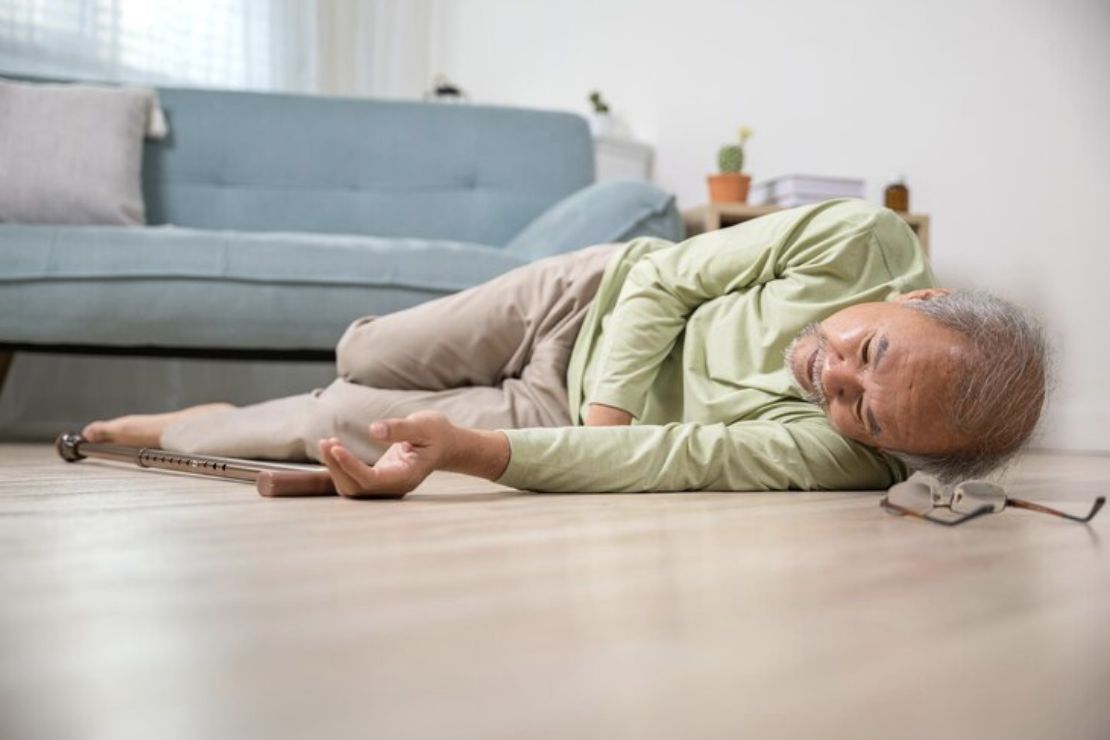


Fall-Related Injuries
Sep 23, 2024 7:00 AM
Updated Sep 28, 2024 1:48 AM
Preventing Fall-Related Injuries in Seniors: Tips and Tools for Safety
As people age, maintaining balance and mobility becomes increasingly difficult. According to studies, falls are one of the leading causes of injuries among seniors, often resulting in hospital visits, surgeries, and prolonged recovery times. Given these risks, it’s essential for seniors and their families to take proactive measures in preventing falls. One such precaution is the use of fall detection devices for seniors, which can alert caregivers or emergency services in the event of a fall, providing peace of mind for all involved.
In this article, we'll discuss the common causes of fall-related injuries in seniors, offer practical tips to reduce the risk of falling, and explore the benefits of using fall detection devices.
Why Are Seniors at Greater Risk of Falls?
The risk of falling increases with age for several reasons. Understanding these causes is the first step in prevention:
- Reduced Strength and Balance: Muscle strength and coordination naturally decline with age, making it harder to maintain balance.
- Vision Problems: Deteriorating vision can affect depth perception, making it easier to trip over objects or misjudge steps.
- Chronic Health Conditions: Seniors often deal with conditions such as arthritis, diabetes, or heart disease, which can affect mobility and balance.
- Medication Side Effects: Many medications, including those for blood pressure and sleep, can cause dizziness or lightheadedness, increasing the risk of falls.
- Home Hazards: Clutter, loose rugs, poor lighting, and slippery floors are common hazards that increase the likelihood of falling.
Related stories
Recognizing these risks is essential in implementing strategies to prevent falls.
Simple Home Modifications to Reduce Fall Risks
The home environment is often where many falls occur. Fortunately, simple changes can significantly lower the risk:
- Clear Pathways: Remove clutter such as shoes, bags, or furniture from hallways and living spaces to create a clear path for walking.
- Install Grab Bars: Place grab bars in areas like the bathroom, particularly near toilets and showers, where seniors may need extra support.
- Improve Lighting: Ensure that rooms and hallways are well-lit, especially in areas like stairs. Nightlights are also helpful for trips to the bathroom.
- Use Non-Slip Mats: Place non-slip mats in the bathroom, kitchen, and other areas prone to moisture to prevent slipping.
- Secure Loose Rugs: Either remove rugs altogether or secure them with double-sided tape or rug pads to avoid tripping.
By making these modifications, homes become a safer environment, reducing the risk of falls.
Exercises to Improve Balance and Strength
Regular physical activity is essential in preventing falls. Strengthening muscles and improving balance can help seniors stay steady on their feet. Here are some effective exercises:
- Tai Chi: This gentle martial art improves balance, flexibility, and strength through slow, controlled movements.
- Strength Training: Light resistance training with weights or resistance bands can help improve muscle strength, particularly in the legs, which are vital for balance.
- Balance Exercises: Simple activities like standing on one leg or walking heel-to-toe can improve stability.
- Stretching: Flexibility is key to maintaining mobility. Daily stretching can reduce stiffness and make it easier to move safely.
Before starting any new exercise regimen, seniors should consult with their healthcare provider to ensure the activities are appropriate for their health status.
The Importance of Regular Health Checkups
Routine medical checkups can also play a role in preventing falls. Here’s why they’re essential:
- Vision and Hearing Tests: Poor vision and hearing can contribute to falls. Regular eye exams ensure seniors have the correct prescription glasses, while hearing checks can identify any issues with balance.
- Medication Review: Doctors can review prescriptions to ensure medications aren't contributing to dizziness or other fall risks. In some cases, alternative medications may be prescribed.
- Bone Density Tests: Seniors with osteoporosis or weak bones are more likely to suffer fractures if they fall. Bone density tests can help identify those at risk, and preventive treatments can be offered.
By staying on top of their health, seniors can better manage any underlying conditions that may increase their risk of falling.
Technology to the Rescue: Fall Detection Devices for Seniors
One of the most effective ways to mitigate the risks of falls is to use fall detection devices for seniors. These devices can automatically detect a fall and send an alert to emergency services or family members, ensuring timely help.
- How Fall Detection Devices Work: These devices use sensors to monitor sudden movements or lack of motion that indicates a fall. If a fall is detected, the device will prompt the wearer to confirm they are okay. If there’s no response, an alert is sent out.
- Wearable Devices: Most fall detection devices are worn as pendants, bracelets, or even smartwatches, making them easy to use and accessible.
- Added Features: Some devices also offer GPS tracking, which can be crucial for seniors who live alone or are prone to wandering. Others include two-way communication, allowing seniors to talk directly to a monitoring center.
Investing in a fall detection device can be a lifesaver, particularly for seniors living alone, as it guarantees that help will arrive swiftly in the event of an emergency.
How Family Members Can Support Seniors
Family members play an essential role in preventing falls. Here are some ways they can assist:
- Conduct Regular Home Safety Checks: Walk through the senior’s home every few months to ensure it remains safe and free of hazards.
- Encourage Physical Activity: Motivate seniors to participate in regular exercise routines that focus on balance and strength.
- Promote a Healthy Diet: A well-balanced diet rich in calcium and vitamin D can help strengthen bones, reducing the risk of fractures in the event of a fall.
- Provide Emotional Support: Fear of falling can sometimes make seniors hesitant to move, leading to muscle weakness. Encouragement and reassurance can go a long way in helping seniors stay active.
Being proactive and supportive can make a big difference in preventing fall-related injuries.
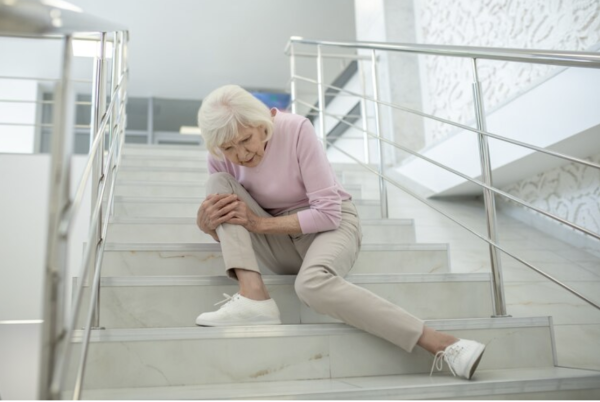
What to Do After a Fall
Despite the best precautions, falls can still happen. Knowing how to react can make a big difference in the outcome:
- Stay Calm: If the senior is conscious, it’s essential to remain calm and assess the situation.
- Check for Injuries: Look for signs of injury, such as pain, bruising, or swelling. If possible, avoid moving the person until medical help arrives.
- Use the Fall Detection Device: If the senior is wearing a fall detection device, ensure the alert has been activated. If not, call for emergency assistance immediately.
Having a clear plan in place can reduce panic and lead to quicker recovery if a fall does occur.
Conclusion: Staying Safe and Independent
Fall-related injuries in seniors are a significant concern, but with the right precautions and tools, many falls can be prevented. From making simple home modifications and encouraging regular exercise to investing in fall detection devices for seniors, there are many ways to keep seniors safe and independent.

By taking proactive measures, seniors can enjoy their golden years without the fear of falls dictating their daily activities. With the right support from family, caregivers, and technology, fall-related injuries can be minimized, allowing seniors to live safely and confidently.
Comments

Powered by RoundtableAn AI/DeFi-powered Enterprise Media Operating System. Learn more at Roundtable.io.© Roundtable 2026. By using this site you agree to the Terms of Use and Privacy Policy