


Nov 5, 2021 8:49 AM
Updated Feb 10, 2022 10:19 PM
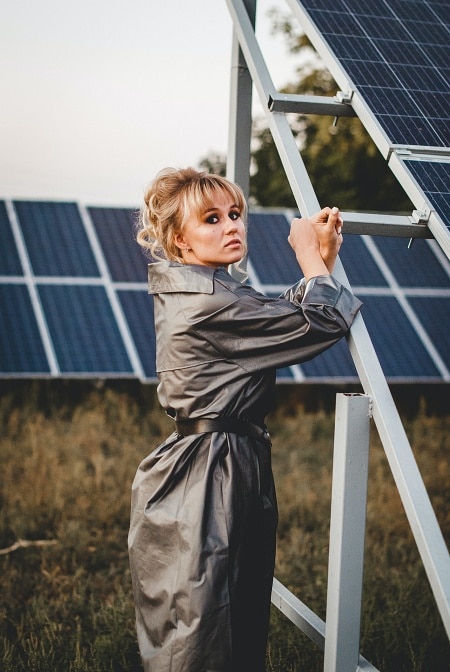
If severe weather is often a concern for you, solar panels could be a smart choice. With them, you don’t have to worry about not having electricity during a storm.

No matter where you live, power outages are an occasional part of life. Some climates are more prone to them than others, but an outage can happen for dozens of reasons.
Extended outages from major events impact the community as a whole, but occasionally, the power outage is localized to your home. When you lose power for too long, your food may spoil, and you can’t use essential devices like medical equipment.
Is there a bad storm on the horizon? Or maybe you want to make sure you’re doing your part to save electricity and protect your home.
No matter what the reason is, to prevent a power outage in your home and prepare in the event one happens, be sure to follow these five tips.
Related stories
1. Invest in Surge Protectors
Any electronics you own should never be plugged directly into the wall. If there’s a surge of electricity, the current is pushed directly through whatever it reaches first. In your device’s case, it’s the cord for your TV, computer, or another item.
Sensitive electronics can’t withstand that much energy shoved into them at once. But if they’re plugged into a surge protector, that equipment grounds the electricity before it can destroy your device. It may not protect it entirely, but the risk of damage is much lower if your expensive items are plugged into a surge protector.
2. Disconnect Your Appliances
Why take a chance with the big stuff? If you know a storm is on the way, or you’re going to be gone for more than a day or two, go ahead and disconnect as many items as you can. Pay particular attention to your large appliances.
When lightning surges through your house, it runs through the wiring, damaging anything that’s plugged in. Even if your home doesn’t get hit by lightning directly, if there’s a power outage while you’re gone, the damage can happen when it’s fixed. The surge of electricity that comes through the wires can overload anything connected to the wiring.
If severe weather is often a concern for you, solar panels could be a smart choice. With them, you don’t have to worry about not having electricity during a storm.
If severe weather is often a concern for you, solar panels could be a smart choice. With them, you don’t have to worry about not having electricity during a storm.
3. Have an Emergency Kit on Hand
You can only do so much to prevent an outage. If one happens, you don’t want to be scrambling around for the essentials.
Keep an emergency waterproof kit easily accessible. Make sure everything each member of the household needs is included. Consider these items when you put the kit together:
● Extra life-saving medications
● A flashlight and fresh batteries
● Bottled water
● Cash
● First-aid supplies
● Food items that won’t expire and are easily opened
● Extra blankets
Hopefully, you’ll never need this kit. But if you do, it’s something that you’ll appreciate the time you took to put it together.
4. Invest in a Sump Pump and Generator
Is your home in a flood-prone area? Is extreme weather a part of your annual forecast? If so, you should invest in a sump pump and a generator.
Sump pumps with a battery backup prevent floods from destroying part or all of your home. Heavy rain happens in many climates, and when the snow melts, the water goes under the ground. The pump keeps the liquid out of your home. And a generator is an essential thing to have on hand in the event of a long-term power outage.
5. Watch for Burst or Frozen Pipes

Another side effect of power outages is often invisible from the home. Pipes can freeze or crack, especially when the weather gets very cold, then warms up fast.
During extreme weather, turn off your water and turn on the faucets until they’re dry. This can keep the pipes from working and freezing or cracking until the power comes back on to warm them up.
When you do part, you can prevent a power outage or at least minimize the damage to your home if one occurs. These tips will help you prepare your house for the next bout of severe weather that rolls through your town.
Comments

Powered by RoundtableAn AI/DeFi-powered Enterprise Media Operating System. Learn more at Roundtable.io.© Roundtable 2026. By using this site you agree to the Terms of Use and Privacy Policy