
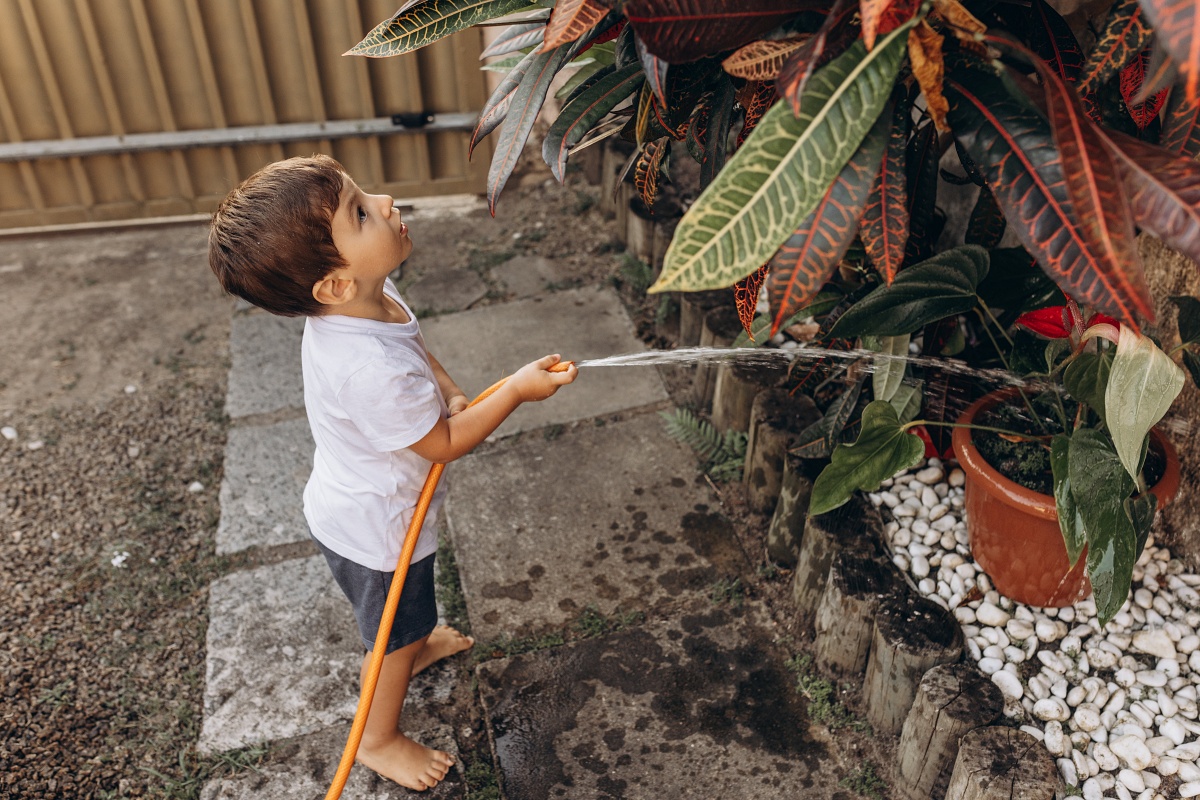
Photo by Jonathan Borba


Community Gardens
Nov 30, 2023 8:00 AM
Updated Dec 2, 2023 6:07 PM
As cities expand, green spaces diminish, contributing to sedentary lifestyles and limited access to fresh, nutritious food.
Introduction
In light of urbanization and its profound implications on public health, community gardens emerge as a compelling solution. As cities expand, green spaces diminish, contributing to sedentary lifestyles and limited access to fresh, nutritious food. Community gardens, however, offer a promising remedy to these urban health challenges. This article delves into the transformative potential of community gardens, examining both their myriad benefits and the nuanced challenges they face in urban settings. From physical and mental well-being to addressing food insecurity, these green havens present a holistic approach to nurturing healthier urban communities.
The Urban Health Challenge
Urban populations grapple with pressing health challenges worsened by factors like dwindling green spaces, fostering sedentary lifestyles and compromising access to fresh, nutritious food. The expanding urban population contributes to a scarcity of parks and recreational areas, promoting a sedentary culture detrimental to physical well-being. Simultaneously, limited access to fresh, nutritious food amplifies the prevalence of food deserts, impacting overall health. Recognizing the urgency of these issues, there's a crucial need for innovative solutions to enhance urban health. This article underscores the imperative for proactive measures, exploring how initiatives like community gardens can revolutionize urban well-being by addressing these multifaceted challenges.
Community Gardens: An Overview
Community gardens, deeply linked with the essence of collective cultivation, serve as shared spaces where individuals collaboratively nurture plants. With historical roots as vital contributors to community resilience during scarcity, these gardens also champion self-sufficiency. In the realm of urban landscapes, they act as communal oases, providing residents not only with hands-on agricultural experiences but also fostering social bonds and environmental stewardship. Within this dynamic urban greenery, various forms of community gardens, from rooftop plots to traditional ground-level allotments, flourish. Their adaptability mirrors their capacity to thrive in diverse urban settings, delivering more than just sustenance—an enriching connection and empowerment for the community. Explore this green oasis with insightful CBD education and reviews to enhance your gardening journey.
Related stories
The Health Benefits of Community Gardens
Exploring the physical domain, engaging in gardening yields tangible health benefits, fostering increased physical activity as individuals tend to plant and cultivate green spaces. Beyond the physical, the mental health advantages are profound, encompassing stress reduction and the establishment of robust community bonds. Numerous studies substantiate these claims, linking gardening activities to lowered stress levels and enhanced overall well-being. The therapeutic nature of nurturing greenery not only promotes relaxation but also contributes to a sense of belonging within a supportive community. This holistic approach to well-being underscores the transformative impact that gardening can have on both body and mind.
Addressing Food Insecurity in Urban Areas
Probing their impact on urbanization, community gardens emerge as pivotal players in mitigating food deserts. These green sanctuaries play a crucial role in championing local and sustainable food sources within urban environments. By providing accessible spaces for cultivation, they bridge gaps in fresh produce availability, combating the challenges posed by food deserts. Success stories abound, narrating instances where community gardens have triumphed over food insecurity, becoming beacons of nutritional sustenance in previously underserved areas. Through their commitment to fostering local food resilience, these gardens exemplify a transformative force, addressing societal gaps and promoting a sustainable, community-centric approach to food security.
Overcoming Challenges in Implementing Community Gardens
Establishing and sustaining community gardens in urban settings confronts several challenges. Limited space availability, soil quality concerns, and bureaucratic hurdles can impede initiation. To surmount these obstacles, strategic approaches include collaborative partnerships with local authorities, creative land-use negotiations, and soil enrichment techniques. Successful initiatives globally offer valuable insights. Notable examples showcase adaptive solutions, like vertical gardening in densely populated areas or repurposing unused lots for communal cultivation. These real-world triumphs underscore the importance of community engagement, innovative planning, and resilience in overcoming challenges, painting a roadmap for aspiring initiatives to navigate complexities and flourish in the dynamic urban landscape.
Frequently Asked Questions (FAQs)
How can communities actively engage in supporting and participating in local community gardens?
Community engagement is vital. Residents can join gardening clubs, attend workshops, or volunteer. Active involvement fosters a sense of ownership and strengthens the bond between community members.
What funding sources are available for initiating and sustaining community gardens in urban areas?
Funding options include grants from local governments, non-profit organizations, and private donors. Collaborative efforts, crowdfunding, and partnerships with businesses can also secure financial support for community garden projects.
Do community gardens have a positive or negative impact on property values in urban neighborhoods?
Research indicates a positive impact on property values. Well-maintained community gardens enhance neighborhood aesthetics and desirability, contributing to increased property values and overall community satisfaction.
Conclusion

Community gardens emerge as transformative remedies for urban health challenges. Addressing issues of physical and mental well-being, food insecurity, and fostering a sense of community, these green havens offer a holistic prescription for urban health. The adaptability and success stories underscore their potential impact. Encouragingly, readers are urged to explore and support local community garden initiatives, recognizing the profound benefits they bring to both individuals and communities. By cultivating these green spaces, we not only nurture plants but sow the seeds for healthier, more vibrant urban environments where well-being flourishes. Join the movement for a greener, healthier tomorrow.
Comments

Powered by RoundtableAn AI/DeFi-powered Enterprise Media Operating System. Learn more at Roundtable.io.© Roundtable 2026. By using this site you agree to the Terms of Use and Privacy Policy