


Aug 29, 2025 7:00 AM
Updated Sep 4, 2025 12:05 AM
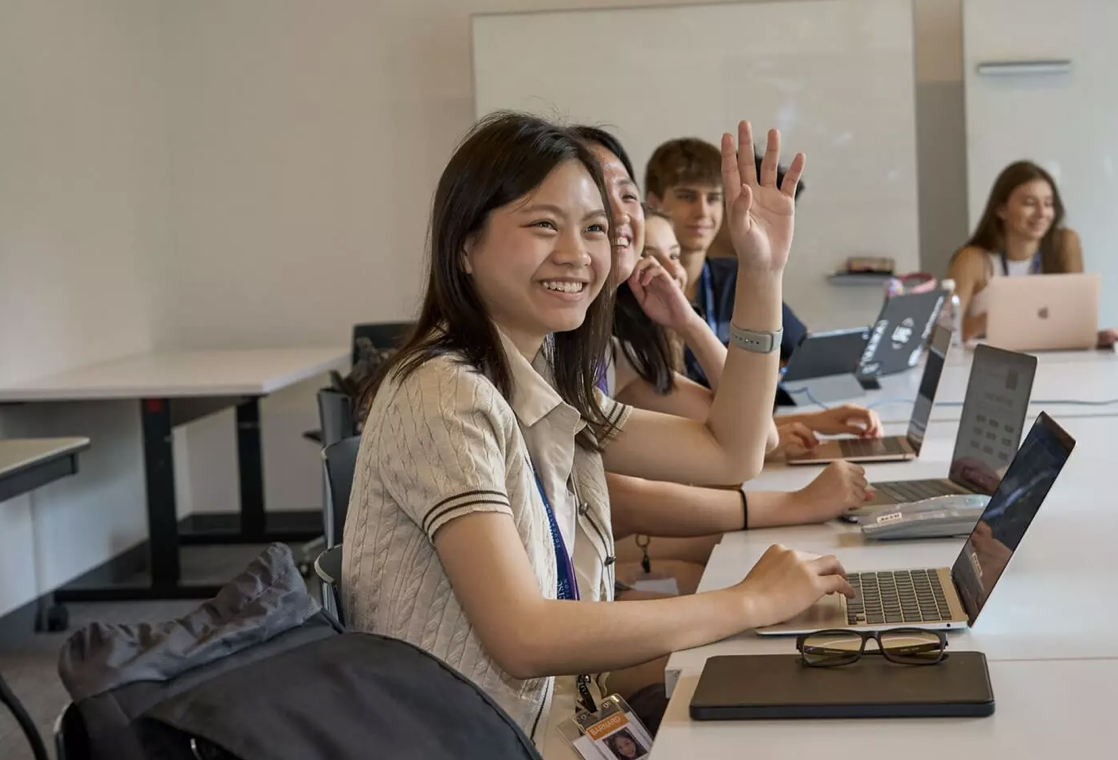
Attending a program in a major city can introduce students to a vibrant learning environment filled with diverse opportunities.
Students interested in healthcare careers often search for meaningful opportunities that help them gain clarity about their future. Pre college medical programs are designed to bridge the gap between academic knowledge and hands-on experience. These opportunities give students early exposure to the medical field before committing to years of study. They allow learners to test their interests, build foundational skills, and explore the realities of a medical profession. This preparation often makes the transition to higher education smoother and more focused. As a result, students step into college with stronger motivation and clearer goals.
The healthcare industry continues to grow at a rapid pace, creating demand for well-prepared professionals. High school students who begin exploring medical pathways early often find themselves more confident in choosing the right academic direction. These programs serve as a stepping stone that blends education with exploration in a supportive environment. By engaging in structured experiences, participants build both knowledge and resilience. The skills acquired often go beyond textbooks, encouraging critical thinking and adaptability. Through this approach, students position themselves for long-term success in healthcare careers.
Building Confidence Through Summer School NYC
Attending a program in a major city can introduce students to a vibrant learning environment filled with diverse opportunities. For instance, a summer school NYC experience often combines traditional academics with real-world exposure. The energy of the city inspires learners to stay curious and to immerse themselves in cultural and educational experiences. Many programs provide students with structured schedules that balance lectures, labs, and group work. For students considering healthcare, such programs highlight the importance of discipline and persistence. With each challenge, students build confidence that extends into future academic and career choices.
The city setting also allows students to connect with peers from various backgrounds, creating a rich environment for collaboration. Sharing perspectives broadens their outlook and enhances their ability to work in diverse healthcare settings. Educators often emphasize practical learning alongside academic instruction to prepare students for challenges ahead. The connections formed during these programs can serve as valuable networks in both education and professional development. Students also gain a deeper understanding of what it means to commit to a demanding field. Ultimately, the blend of culture and academics provides a foundation for long-term growth.
Related stories
Exploring Opportunities in Pre College Medical Programs
Students exploring healthcare pathways often seek experiences that provide both academic challenge and practical insight. Many opportunities include anatomy workshops, lab simulations, and exposure to medical case studies. The goal is to give participants a realistic view of both the challenges and rewards of healthcare careers. Within this context, pre college medical programs stand out because they allow learners to experience the discipline required to succeed in science-based fields. These structured settings also show how medical professionals balance academic rigor with ethical decision-making. They also develop a sense of responsibility that strengthens their educational journey.
Beyond technical learning, these programs emphasize the development of critical soft skills essential in medicine. Students practice teamwork in lab projects, communication in presentations, and problem-solving in case discussions. Such skills prepare them for patient interaction, collaboration with colleagues, and leadership in professional settings. Many participants also find inspiration from mentors and instructors who model success in healthcare. Exposure to these role models motivates students to set higher goals for themselves. Each milestone achieved reinforces their commitment to pursuing medical studies with determination.
Advantages of Summer Programs for High School Students
Academic enrichment is only one of the many benefits teenagers gain from structured learning experiences outside of their regular school year. These opportunities help students expand their knowledge while exploring possible career paths with greater focus. For those interested in healthcare, specialized coursework in biology, chemistry, or health sciences often sparks curiosity. Within this setting, participation in summer programs for high school students becomes a valuable way to identify strengths and refine interests. The exposure supports time management and self-discipline through carefully designed schedules that mirror college-level demands. As students adapt to these expectations, they gain skills that prepare them for higher education. The mix of academic preparation and personal development makes these programs stand out as transformative.
Another significant advantage lies in the supportive environment created by peers and mentors. Being surrounded by like-minded students helps build motivation and confidence. Collaborative projects encourage teamwork while individual tasks develop accountability. This balance ensures that students experience both independence and cooperation in their growth. Mentors provide guidance that shapes decision-making and problem-solving abilities. These interactions instill confidence and help clarify career ambitions. Many students also leave with friendships and professional connections that extend into college and beyond. Such relationships enrich both academic and personal life in meaningful ways.
Gaining Early Exposure to Healthcare Environments
One of the most valuable aspects of specialized programs is the chance to observe healthcare in practice. Students often visit hospitals, clinics, or research labs where they can see professionals in action. These experiences bring classroom lessons to life and highlight the realities of medical practice. Exposure to these environments helps students connect academic concepts with real-world applications. It also allows them to reflect on the human side of medicine, including patient care and ethical decision-making. Observing professionals at work builds respect for the demands of the field and the dedication it requires. Students return to their studies with a clearer sense of purpose and stronger motivation. This level of engagement makes their preparation more meaningful and lasting.
Direct exposure also encourages students to consider the wide range of careers within healthcare. While some may aspire to become physicians, others discover interests in nursing, public health, or medical research. These insights help students shape their academic choices with greater precision. Experiencing multiple roles allows them to evaluate which path best fits their strengths and passions. Such exposure also emphasizes the importance of teamwork across different healthcare disciplines. Understanding this dynamic prepares students to contribute effectively in collaborative settings. The opportunity to reflect on diverse roles broadens their vision of the medical field.
Final Thoughts
Students who take part in specialized programs often find themselves ahead of their peers in both knowledge and confidence. By engaging in structured activities, they build practical skills that prepare them for rigorous college courses. Early exposure to the medical field also allows them to confirm whether their interests align with long-term career goals. Programs that blend academics with real-world learning ensure students develop both intellectual and personal strength. Each experience pushes them closer to the resilience needed in healthcare careers. The foundation built during these years supports a smooth transition into higher education. Such preparation empowers students to pursue their goals with determination.

Healthcare careers require more than academic success; they demand adaptability, compassion, and perseverance. Students who begin cultivating these traits early find themselves better prepared for the realities of the field. The combination of academic exposure and personal growth provides them with the resilience needed to thrive. Structured programs also instill the discipline required for demanding courses in medicine and science. The experiences acquired prepare them to excel both in college and in their eventual careers. As a result, they step into the future with clarity, skill, and confidence. These programs serve as a valuable foundation for students aspiring to healthcare careers.
Comments

Powered by RoundtableAn AI/DeFi-powered Enterprise Media Operating System. Learn more at Roundtable.io.© Roundtable 2026. By using this site you agree to the Terms of Use and Privacy Policy