


May 7, 2024 7:00 AM
Updated May 9, 2024 4:57 PM
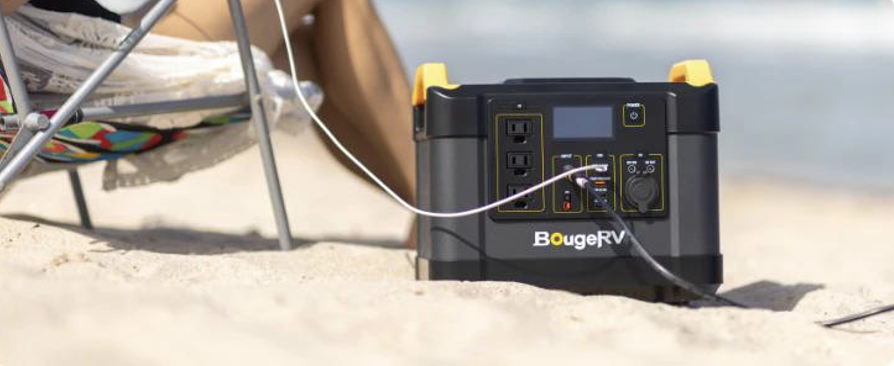
Lead-acid, lithium-ion, and nickel-metal hydride are among the most common battery options for power stations.
Do you want to stay connected while living off the grid, during an emergency, or when you have no access to electrical outlets? Getting a portable power station with a battery can be a lifesaver. This compact device is a reliable energy source for powering phones, tablets, laptops, TVs, and lots more.
Portable power stations have varying sizes, designs, and features. As a result, people often struggle when they want to choose one. Here are the factors to consider when selecting the right home portable power station with a battery.
Battery type
Various battery types are used for powering home portable power stations. Lead-acid, lithium-ion, and nickel-metal hydride are among the most common battery options for power stations. Although lead-acid batteries are affordable and long-lasting, they are heavy and feature a low energy density. Lithium-ion batteries boast a high energy density and are lightweight, but cost and durability are major concerns for them. Consider these points before selecting your portable power station.
Battery capacity
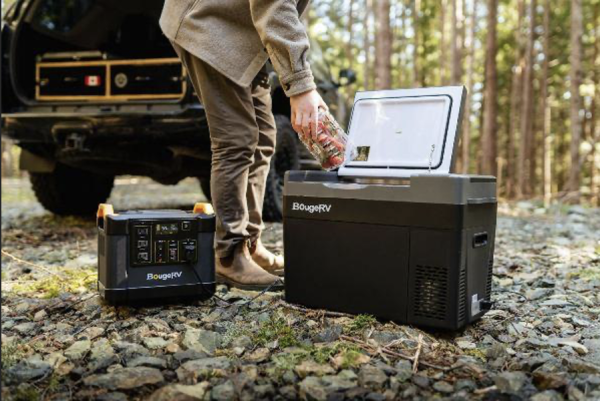
Measured in milliamp-hours (mAh) or watt-hours (Wh), the battery capacity is the total amount of energy that a battery can store. It’s one of the most vital elements for choosing home portable stations. This factor determines the kind of devices you can use with your power station. While a power station with 300 Wh can charge your phone, you need one with a bigger capacity to power a 12v RV refrigerator.
Related stories
Therefore, don’t choose a power station until you are sure of what you want to use it to power.
Portability
Power stations come in different sizes and weights. While some products are lightweight and easy to take everywhere, others are heavy and difficult to carry. Do you intend to carry your home power station from one place to another? Is it going to be stationed in a single place? These questions can help you decide the size and weight of your power station.
Safety features
When choosing a home portable power station with a battery, don’t overlook the importance of safety. Look out for essential safety features like short circuit indicators as they help you lower the risk of overload or abuse. In addition, make sure the product complies with essential safety guidelines. Before using any power station, ensure you read its manual.
Types and number of outlets
In many situations, you may need to charge several devices at the same time. This is why you should consider the type and number of outlets your home portable power station has. A good power station features a couple of AC outlets, DC connectors, and USB ports. These multiple outlets boost the versatility of the device and also offer you great value for money.
Charging options and time
Like other battery-powered devices, your home portable power station will require you to recharge it. Hence, consider how you will recharge the device. Although the majority of these devices are chargeable with standard wall outlets, others may require special outlets. Similarly, there are solar-powered portable power stations that rely on sunlight for power. They are environmentally friendly and suitable for use in campsites and other remote areas.
As you consider the charging option, don’t overlook the charging time. Choose a product that charges fully within a few hours.
Durability
A home portable power station is not the kind of product you buy every day. You have to select one that can last for a long period. Check the build of the power station and ascertain if it can withstand regular usage without malfunctioning. You may also want to read the reviews of previous users to ascertain if the product is long-lasting or not.
Price
How much do you want to spend on a home portable power station? Since these products differ in various ways, it is not surprising that their prices vary. While some are affordable, others are expensive. Therefore, think about your budget before you start shopping for a portable power station.
Understand that battery capacity is one of the biggest determinants of the cost of a power station. Products with bigger battery capacity cost more than others with lower capacity. In addition, brands can also affect the price of a home portable power station.
Warranty
Regardless of the design and quality of a product, certain issues may arise after buying it. This is where warranty comes into the picture. This factor provides some forms of assurance if anything goes wrong with your portable power station. Choose a product with a reasonable warranty.
Extra features

A portable power station may also come with additional features that boost its performance and convenience. Examples include intelligent LED lights and an MPPT charge controller.
With this comprehensive guide, it should now be easy for you to choose a home portable power station with a battery.
Comments

Powered by RoundtableAn AI/DeFi-powered Enterprise Media Operating System. Learn more at Roundtable.io.© Roundtable 2026. By using this site you agree to the Terms of Use and Privacy Policy