



Oct 16, 2023 7:00 AM
Updated Oct 18, 2023 4:02 PM
Card counting, a technique to predict the likelihood of the next hand, is a real strategy.
The allure of casinos – with their high stakes, endless possibilities, and intoxicating atmosphere – has long been a tantalizing backdrop for filmmakers. However, when the world of gambling is presented on the big screen, there's often a blend of dramatic flair with real-world mechanics.
This raises the question: how accurately do popular casino movies depict the nuances of gambling? This is what this brief review will be about. In case you not only love casino movies but also like to occasionally play games of chance, check out Captain Cooks Casino review for a reliable online casino. Not let’s dive into the movie world.
Truth in Card Counting: "Rain Man"
Let’s start with the iconic scene in "Rain Man" where Raymond, an autistic savant played by Dustin Hoffman, uses his extraordinary mathematical skills to win at blackjack. In the film, his abilities seem almost magical, but there's some truth to it.
Card counting, a technique to predict the likelihood of the next hand, is a real strategy. While Raymond's specific skill set is rare, the concept is grounded in fact, albeit exaggerated for cinematic appeal.
Related stories
When Drama Takes Center Stage: "Casino Royale" and "Ocean's Eleven"
On the other end of the spectrum is "Casino Royale", where James Bond faces off against villains in a high-stakes poker game. The dramatic tension is palpable, with Bond pulling off an audacious bluff.
However, some poker enthusiasts have criticized the scene for its implausibility. In real poker games, the sequence of hands and the decisions made by players in that scene are seen as highly improbable, leaning more towards fiction than fact.
When it comes to heist films, the inaccuracies are more glaring. "Ocean's Eleven", while a fan favorite, is filled with intricate plans that involve manipulating every facet of a casino.
From rerouting power to employing acrobats in heist plots, the film stretches the boundaries of believability. Real-world casinos have extensive security measures, and while the idea is entertaining, executing such a plan would be near impossible.
However, it's essential to recognize the intent behind these films. Accuracy is often sacrificed in the name of entertainment. For instance, the movie "21" is based on the real-life story of the MIT Blackjack Team. While the film accurately portrays the concept of card counting, it amplifies interpersonal drama and the glamour of Las Vegas to create a more engaging narrative. The real-life events were undoubtedly thrilling, but the silver screen demands a heightened sense of drama.
Casino Movies as a Societal Mirror
In analyzing these portrayals, one also realizes that these fictionalized scenes often reflect societal attitudes toward gambling. The almost superhuman skills of characters or the grand heists mirror our collective fantasies and fears about casinos.
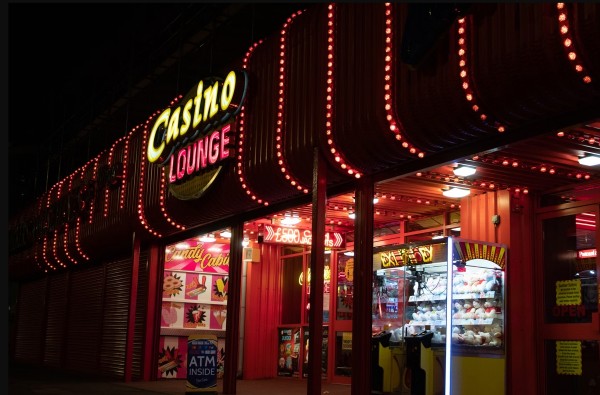
They are places where fortunes can be won with a single roll of the dice or lost with a flip of a card. By magnifying these moments, filmmakers tap into our shared emotions about risk, reward, and the human desire to beat the odds.

In conclusion, while popular casino movies often take liberties with the truth for dramatic purposes, they offer viewers a thrilling escape. They blur the lines between fact and fiction, transporting us to a world where anything seems possible, even if just for a couple of hours. And in that blend of reality and fantasy, they capture the very essence of what makes casinos so endlessly fascinating.
Comments

Powered by RoundtableAn AI/DeFi-powered Enterprise Media Operating System. Learn more at Roundtable.io.© Roundtable 2026. By using this site you agree to the Terms of Use and Privacy Policy