


Apr 18, 2025 7:00 AM
Updated Apr 29, 2025 6:17 AM
Improper conduct during arrests—such as mishandling evidence or violating constitutional rights—not only jeopardizes the integrity of prosecutions but also erodes trust in legal institutions.
In 2024, reports from Seattle’s Office of Police Accountability revealed multiple arrests involved procedural violations—yet few resulted in disciplinary action or case dismissals. This growing pattern of overlooked police errors during arrests has stirred public concern about fairness within the local justice system.
Improper conduct during arrests—such as mishandling evidence or violating constitutional rights—not only jeopardizes the integrity of prosecutions but also erodes trust in legal institutions. These failures expose deeper structural issues and demand closer scrutiny, particularly as they often go unchallenged in court. Identifying and understanding the most frequent mistakes made by law enforcement may uncover systemic blind spots and open the door to meaningful reform.
Common Police Mistakes That Can Jeopardize Your Rights
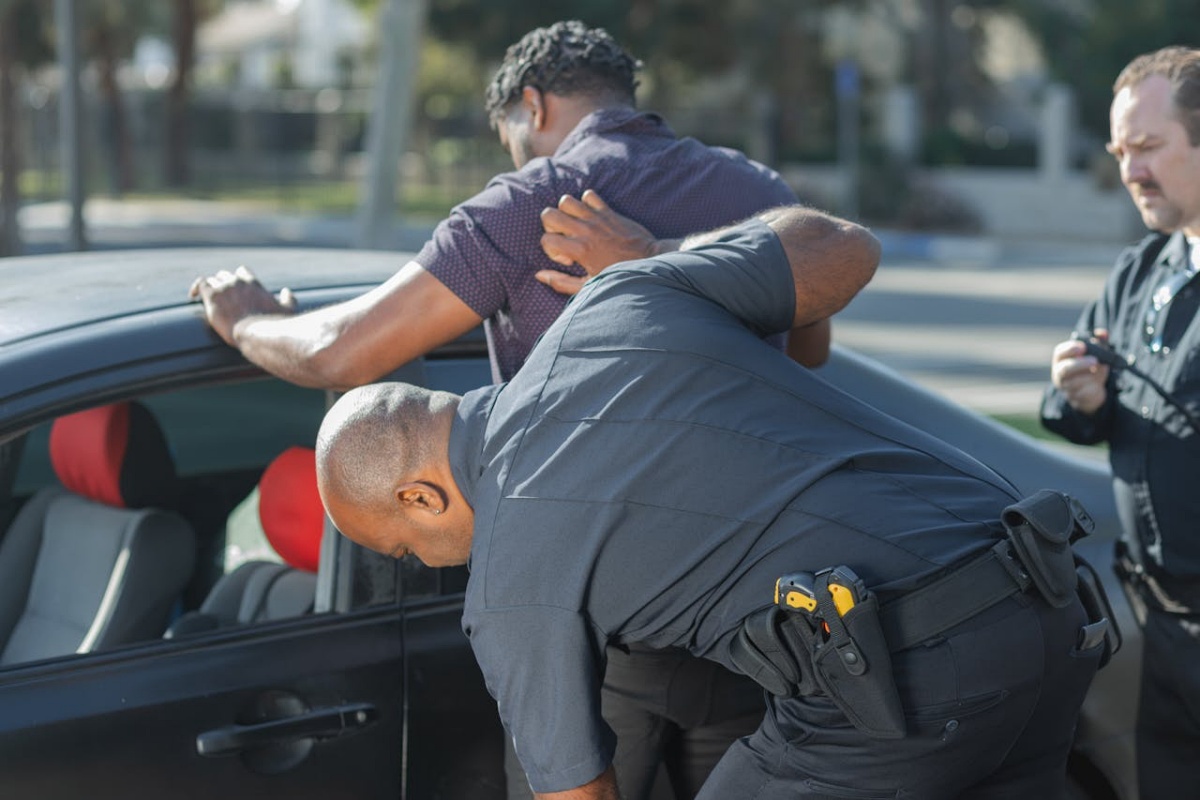
Missteps by police during arrests can undermine individual rights in serious ways. One common issue involves the failure to properly read Miranda rights, which can render any obtained statements inadmissible in court. Additionally, unlawful searches conducted without adequate justification often occur, leading to the collection of evidence that should not be admissible. What’s more, accusations of excessive force during detainment may surface, raising ethical concerns about law enforcement practices.
Recognizing these specific errors provides a pathway for forming a solid defense strategy. Each misstep not only highlights potential misconduct but may impact the prosecution's case. Consulting with a criminal defense lawyer right after an arrest can clarify which aspects of your situation might be challenged effectively.
Related stories
Why Courts Often Miss These Violations During Hearings
Police misconduct often escapes scrutiny during court proceedings. Judges tend to accept officer testimony as accurate, particularly when there’s little or no conflicting evidence. This reliance can sideline a full evaluation of the circumstances. Without eyewitnesses or video footage, the court may miss key context that could challenge the official narrative.
Defense attorneys face their own set of barriers. Procedural rules, limited time, and scarce resources can make it difficult to challenge arrest protocols effectively. These constraints often leave valid questions about police conduct unaddressed, weakening the defendant’s chance at a fair outcome.
Bodycam Gaps and Documentation Failures in Seattle Arrests
Bodycam footage plays a central role in clarifying what happens during arrests, yet in Seattle, gaps in this documentation are disturbingly common. Technical failures, such as camera malfunctions or delayed activation, can leave important moments unrecorded. In some instances, footage has gone missing or been altered without explanation, raising serious questions about transparency.
Discrepancies between officer reports and available video often go unnoticed unless specifically challenged, which can lead to skewed interpretations of events. These issues not only weaken defense efforts but also fuel public skepticism around law enforcement practices in the city.
Prosecutorial Reluctance to Pursue Misconduct Claims
Not every error by law enforcement receives the scrutiny it deserves, often due to the dynamics within the prosecutorial office. Internal pressures, such as the need to maintain high conviction rates, can result in overlooked misconduct. This can lead to a culture where prosecutors prioritize case outcomes over ethical considerations, affecting how police errors are addressed in court. Connections between prosecutors and police may create an unspoken bias; significant misconduct can get ignored, particularly when it involves officers with established reputations.
This complicated interaction can undermine accountability, risking the integrity of legal proceedings. When prosecutors protect officers instead of seeking justice, defendants find their rights compromised. Heightened awareness of local prosecutorial practices encourages communities to advocate for more transparent practices, promoting an environment where accountability flourishes.
Missed Opportunities by Defendants During Initial Defense
Many defendants face major setbacks immediately after arrest, often because they don't fully understand their rights or the consequences of their actions in those early moments. Making statements without legal guidance can lead to self-incrimination, complicating their position in court. Delays in securing a lawyer can further limit their ability to respond effectively.
Public defenders, often burdened with overwhelming caseloads, may lack the time to investigate cases thoroughly. Important details that could favor a defendant are sometimes missed or underdeveloped. Early legal support can make a decisive difference—offering clarity, protection, and a more strategic approach from the start.

Police mistakes—like skipping Miranda warnings, conducting illegal searches, or using excessive force—can significantly impact a person’s case. Yet, courts often miss these errors, relying heavily on officer testimony, especially when video or witnesses are lacking. Missing or altered bodycam footage only deepens the problem. Prosecutors may overlook misconduct to protect conviction rates, further stacking the system against defendants. Legal representation should be sought immediately after arrest to help identify rights violations early. The justice system has flaws, but preparation and timely action can shift the balance. Knowing your rights is the first step toward protecting your future and demanding accountability.
Comments

Powered by RoundtableAn AI/DeFi-powered Enterprise Media Operating System. Learn more at Roundtable.io.© Roundtable 2026. By using this site you agree to the Terms of Use and Privacy Policy