
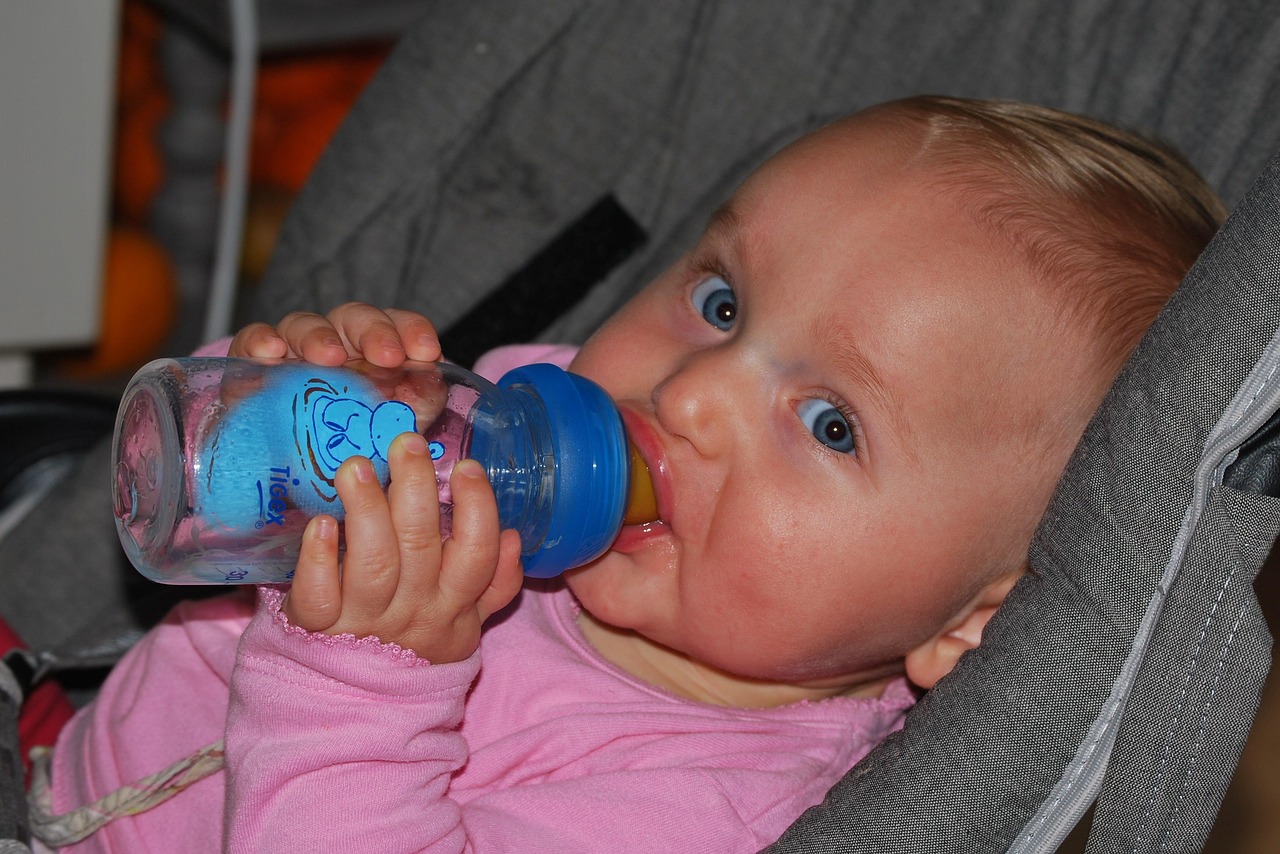
Image by Ben Kerckx on Pixabay


Jun 6, 2025 7:00 AM
Updated Jun 10, 2025 2:31 AM
The bottle you choose plays a bigger role than just feeding—it impacts your baby's health, comfort, and peace of mind.
When it comes to newborn care, every choice feels monumental. From diapers to feeding methods, parents want nothing but the safest, most practical options. One decision that often causes confusion is whether to choose glass or plastic bottles for babies.
The bottle you choose plays a bigger role than just feeding—it impacts your baby's health, comfort, and peace of mind. For those looking to shop the best baby bottles for newborns, understanding the pros and cons of glass and plastic can make the decision a whole lot easier. In this guide, we'll explore the key differences between glass and plastic bottles and help you make the right choice.
Understanding the Basics: What Sets Glass and Plastic Bottles Apart?
Glass bottles are often praised for their durability and purity. Made without harmful chemicals, they don't absorb odors or stains. Plastic bottles, on the other hand, are lightweight, shatterproof, and easy to handle, especially for late-night feedings.
The materials used in each type create a different experience for both parent and child. Glass feels sturdy and clean, while plastic is often chosen for its convenience and portability. Both have their strengths, which is why the debate continues.
Related stories
Safety Concerns Every Parent Should Know
One of the biggest concerns among new parents is chemical exposure. Glass bottles don't contain BPA or other synthetic compounds that could leach into milk. This makes them a go-to for parents worried about long-term health effects.
Although most plastic bottles today are BPA-free, concerns still exist about heat and chemical stability. According to FDA guidelines, BPA is no longer used in baby bottles, but some parents prefer to avoid plastic altogether. Understanding where your comfort level lies will help you decide.
Durability and Longevity: Which Bottle Lasts Longer?
Glass bottles are surprisingly tough. Many are made with tempered or borosilicate glass that resists breakage. If these bottles are taken care of properly, they can last for many years.
Plastic bottles usually wear out faster due to scratches, cloudiness, and damage from repeated sterilization. While they're great for short-term use or travel, you may find yourself replacing them more often. Frequent replacements also mean more waste, which might be a concern for eco-conscious parents.
Ease of Cleaning and Maintenance
Glass bottles are easy to clean, and they don't hold residue on their surfaces. They're dishwasher-safe and don't warp under heat. Over time, this makes them look and feel new, even with heavy use.
Plastic bottles are usually easy to wash. But they are more prone to discoloration and odor retention. You may also need to inspect them more frequently for cracks or scratches, which can harbor bacteria.
Cost Consideration: Which Option Is More Budget-Friendly?
Glass bottles tend to cost more upfront, but they can save you money in the long run due to their durability. One or two sets may last for years, especially if you're planning on having more children. Plastic bottles are cheaper initially but may need frequent replacement. If you're budget-conscious, this is worth considering.
Here's a quick breakdown:
● Glass Bottles:
● Higher initial cost
● Reusable for multiple babies
● Less frequent replacement
● Plastic Bottles:
● Lower upfront cost
● May wear out faster
● Replacing often increases overall spend
Convenience Factor: What Fits Your Lifestyle?
For parents on the go, plastic bottles are often preferred. They're light, unbreakable, and easy to carry in diaper bags. This makes them a common choice for daycare or travel.
Glass bottles work best when used mostly at home. They can feel too heavy or risky when you're juggling a stroller, snacks, and your baby all at once. Convenience matters, especially in those sleep-deprived early months.
What Do Experts and Parents Say?
Most pediatricians recommend whatever works best for your family, provided the bottle is BPA-free and sterilized properly. Some parents swear by glass for its health and environmental benefits. Others lean toward plastic for ease and flexibility. Anecdotal feedback from forums shows an almost 50/50 split.
What's clear is that parents are thoughtful and intentional, whether they choose plastic or glass. Dr. Talbots offers a variety of both glass and plastic bottle options tailored for newborns, including anti-colic designs and easy-latch nipples. If you're looking to shop the best baby bottles for newborns, their range is a solid place to begin, blending innovation with safety.
Choosing between glass and plastic baby bottles depends on your lifestyle, comfort level, and long-term priorities. While glass offers purity and longevity, plastic delivers convenience and affordability. No matter which side you lean toward, the ultimate goal is to find a safe, practical solution for your baby's feeding needs.

As you shop for the best baby bottles for newborns, remember there's no universal "best"—only what's best for you and your child. So trust your instincts, weigh the facts, and feed with confidence. A little research today can lead to a lot more peace tomorrow.
Comments

Powered by RoundtableAn AI/DeFi-powered Enterprise Media Operating System. Learn more at Roundtable.io.© Roundtable 2026. By using this site you agree to the Terms of Use and Privacy Policy