
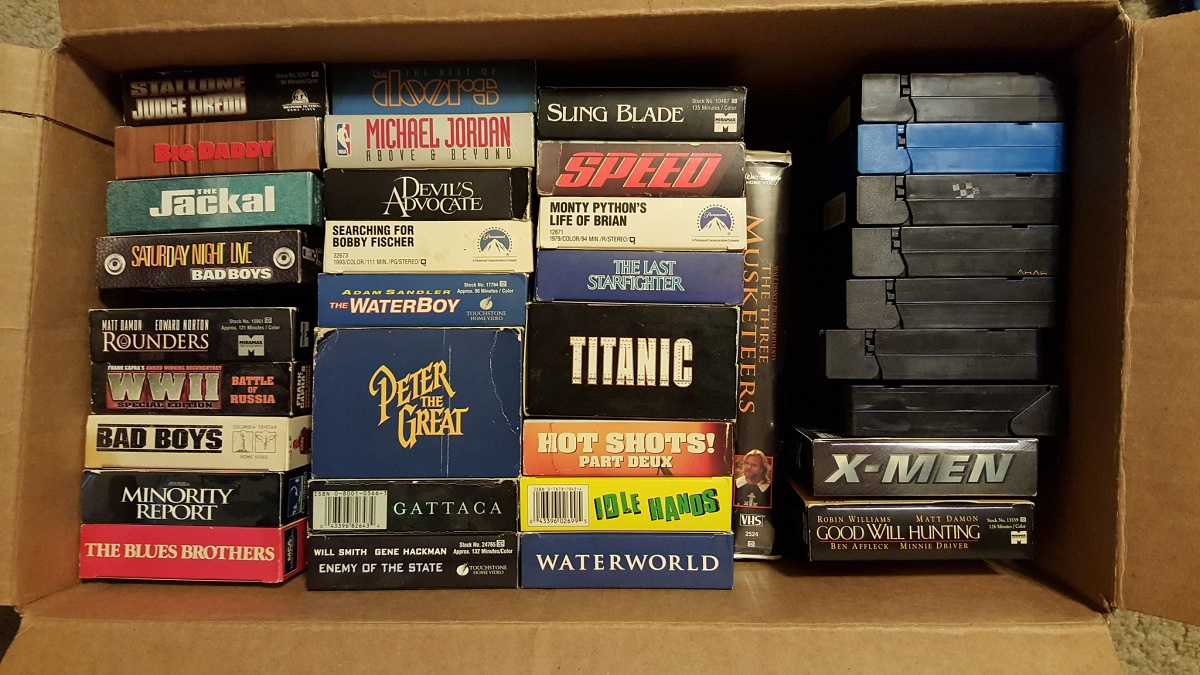
Wil C. Fry • Attribution-NonCommercial-NoDerivs (CC BY-NC-ND 2.0) Flickr


Physical Media
Jul 1, 2024 7:00 AM
Updated Jul 4, 2024 10:20 PM
In the not-so-distant past, physical media such as cassette tapes, VHS tapes, CDs, and DVDs were the primary means of storing and consuming content.
In today's world, where streaming services and digital downloads dominate the entertainment landscape, the relevance of physical media such as DVDs and Blu-rays might seem diminished. However, these formats still hold a significant place in modern home entertainment for various reasons. Let's explore why many people continue to choose physical media despite the convenience of digital options.
In the not-so-distant past, physical media such as cassette tapes, VHS tapes, CDs, and DVDs were the primary means of storing and consuming content. These tangible forms of media revolutionized the way we listened to music, watched movies, and accessed information. The evolution of physical media has closely mirrored advancements in technology, constantly changing to meet the demands of consumers.
The rise of digital media in the form of streaming services and online platforms has undoubtedly transformed the way we interact with content. However, physical media continues to hold a unique place in the digital age. The nostalgia and collectibility associated with physical formats appeal to a broad audience, from audiophiles who swear by the warmth of vinyl records to movie buffs who appreciate the artwork and special features of Blu-ray discs.
Benefits of Physical Media in the Digital Age
In an era dominated by digital content consumption, physical media continues to offer a myriad of benefits that cannot be ignored.
Related stories
1. Collectible Value
For many enthusiasts, physical media offers a tangible and collectible aspect that digital formats simply can't match. Special edition DVDs and Blu-rays often come with unique packaging, exclusive artwork, and additional content like behind-the-scenes footage, director's commentary, and making-of documentaries. Collectors take pride in owning these physical items, which can also appreciate in value over time, especially limited editions and out-of-print titles.
2. Convenience of Offline Viewing
One of the major advantages of DVDs and Blu-rays is the ability to watch content offline. Unlike streaming services that require a stable internet connection, physical discs can be played anytime, anywhere, without worrying about buffering issues or data limits. This makes them particularly useful in areas with poor internet connectivity or for people who travel frequently and want to enjoy their favorite movies without relying on internet access.
3. Superior Audio and Video Quality
Physical media often provides superior audio and video quality compared to streaming services. Blu-ray discs, in particular, offer high-definition (HD) and ultra-high-definition (UHD) resolutions with uncompressed or less compressed audio tracks, resulting in a more immersive viewing experience. Streaming platforms, while convenient, often compress audio and video to save bandwidth, which can lead to a noticeable difference in quality for discerning viewers.
4. Ownership and Permanence
Unlike digital files that can be easily corrupted, accidentally deleted, or lost due to technical issues, physical media such as CDs, DVDs, and printed books offer a tangible presence that can withstand the test of time. This inherent durability ensures that your favorite music albums, movies, and books remain accessible even years down the line, without the risks associated with digital storage failures. Physical media doesn’t depend on servers or cloud storage, which can suffer from outages or data breaches.
It also eliminates concerns about compatibility issues that may arise with future digital formats. As long as you have a functioning CD player, DVD player, or even just a bookshelf, your collection is safe and ready for enjoyment whenever you wish.
Additionally, with the advent of DVD copy or DVD ripping software, you can create digital backups of your DVDs. This means you can store digital copies on your computer or an external hard drive, combining the reliability of physical media with the convenience of digital access. By doing so, you can enjoy the best of both worlds: the lasting durability of physical media and the flexibility of digital formats, ensuring that your treasured collections are preserved and accessible in multiple forms.
5. Cultural and Regional Content
Physical media can also provide access to cultural and regional content that might not be available on mainstream streaming services. Many niche films, foreign movies, and independent productions are often released on DVD or Blu-ray but are not available for streaming. This allows fans of specific genres or regional cinema to build a more diverse and personalized collection.
6. Bonus Features and Extras
While streaming services occasionally offer bonus content, physical media often comes packed with extras that enhance the viewing experience. These can include deleted scenes, extended cuts, bloopers, interviews with cast and crew, and much more. These features provide deeper insight into the creation of the content and add value to the purchase.
Challenges Faced by Physical Media in the Digital Age
As we navigate through the digital age, physical media is not immune to its own set of challenges.
One major hurdle faced by physical media in today’s digital-centric world is the declining popularity and demand for physical formats such as CDs, DVDs, and vinyl records. With the convenience of streaming services and digital downloads, many consumers prefer the instant access and portability that digital media offers.
Another challenge is the increasing difficulty in finding physical media in retail stores. As more and more brick-and-mortar shops shift their focus to digital products, the availability of physical media has significantly decreased. This not only makes it harder for enthusiasts to access their favorite physical formats but also contributes to the decline in physical media sales.Furthermore, the issue of storage and preservation poses a significant challenge for physical media collectors. Over time, physical formats can deteriorate, leading to potential loss of data and quality. Finding adequate storage solutions to protect and preserve physical media collections has become a critical concern for many collectors.

In addition, environmental concerns surrounding the production and disposal of physical media have come to light in recent years. The use of materials such as plastic and the energy consumption involved in manufacturing physical formats have raised questions about the sustainability of physical media in the digital age.
Comments

Powered by RoundtableAn AI/DeFi-powered Enterprise Media Operating System. Learn more at Roundtable.io.© Roundtable 2026. By using this site you agree to the Terms of Use and Privacy Policy