


Aug 10, 2026 7:00 AM
Updated Aug 16, 2026 12:51 AM
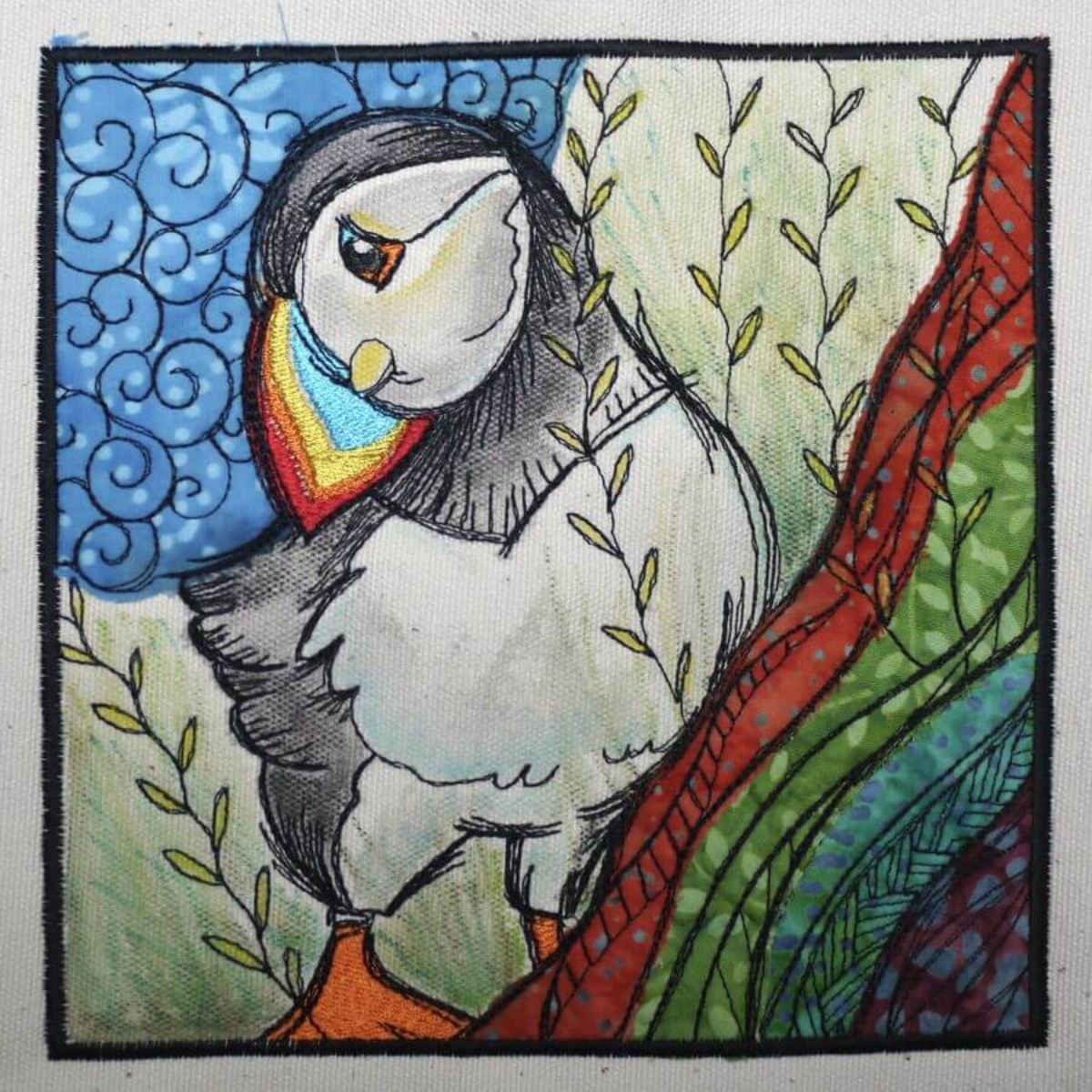
With the right embroidery designs for machines, you can transform plain shirts, jackets, jeans, tote bags, and other everyday items.
Personal style does not require a closet full of new clothes. A few thoughtful details can make basic pieces feel more interesting, more personal, and more like you. Embroidery is an easy way to add that custom touch while giving older clothing a fresh purpose.
With the right embroidery designs for machines, you can transform plain shirts, jackets, jeans, tote bags, and other everyday items. The design can be small and subtle or bold enough to become the main feature of the outfit.
Embroidered details also work with nearly every style. Flowers can feel soft and classic, while names, symbols, and geometric patterns create a more modern look. Even a simple monogram can make an ordinary garment feel special.
Why Embroidery Works So Well
Embroidery adds color, texture, and depth that printed decorations often lack. The raised stitches help small designs stand out without making the whole garment feel busy, heavy, or difficult to combine with other pieces.
Related stories
Begin With an Easy Garment
New embroiderers should start with clothing that is simple to hoop and made from stable fabric. Cotton, denim, canvas, and medium-weight sweatshirt material are usually easier to handle than thin, silky, or highly stretchy fabrics.
Good first projects include:
- Cotton T-shirts
- Denim jackets
- Jeans or shorts
- Canvas tote bags
- Sweatshirts
- Button-down shirts
Choose something that fits well and already matches your style. A personalized item becomes even more meaningful when it is something you wear regularly and enjoy sharing with others .
Test Before Stitching
Always test the design on a scrap of similar fabric first. This allows you to check its size, stitch density, thread colors, and stabilizer.
A quick test can reveal puckering, stretching, gaps, or thread problems. Correcting those issues before embroidering the final garment may prevent permanent damage.
Match the Design to the Item
A design that looks great on a denim jacket may be too heavy for a lightweight shirt. Consider the garment’s fabric, shape, color, and available space before choosing your pattern.
Small flowers, initials, short words, stars, leaves, animals, and simple symbols work well in compact areas. Larger graphics or decorative borders are better suited to jacket backs, skirt hems, or wide tote bags.
Choose Placement Carefully
Placement can make the difference between a polished result and a design that looks awkward. Print or trace the embroidery at its actual size, then place it on the garment before hooping.
Simple Placement Ideas
On shirts, try the upper chest, sleeve, cuff, collar, or pocket. On jeans, consider a back pocket, lower leg, or small design near the side seam.
Jackets offer more room for larger designs across the back. You can also place smaller matching details on the front. Tote bags are ideal for centered patterns, names, or corner accents.
Use a Thoughtful Color Palette
Thread color strongly affects the final look. Similar shades create a subtle result, while contrasting colors make the embroidery more noticeable.
Think about the shades you normally wear. Neutral wardrobes pair beautifully with shades like cream, black, navy, rust, and soft green.. Brighter colors are useful when you want one embroidered area to act as the outfit’s main accent.
Small Details Can Look More Expensive
Personalized clothing does not need to be covered in stitching. A single thoughtfully placed detail often creates a more refined look than multiple large designs..
Add initials to a cuff, a tiny flower near a collar, or a symbol inside a jacket where it is only visible when opened. These small touches make clothing feel custom without looking overly decorated.
Avoid Common Mistakes
Do not skip the stabilizer. It supports the fabric and helps prevent shifting, stretching, or puckering during stitching.
The fabric should be secure in the hoop, but it should not be pulled tight. Stretching it may cause wrinkles once the hoop is removed.
Care for Embroidered Clothing
Turn embroidered garments inside out before washing. This reduces rubbing and helps protect the thread.
Use a gentle cycle, mild detergent, and cool or warm water. Avoid strong bleach, and air-dry delicate pieces when possible.
When ironing, press the design from the back or place it face down on a soft towel. This protects the raised stitches and prevents them from becoming flat.
Conclusion
Embroidered details are a simple way to make everyday clothing feel more personal. You do not need advanced skills or a complicated pattern. A small flower, monogram, border, or symbol can completely change a basic garment.
Start with an easy fabric, test the design, and carefully plan its size, colors, and placement. With a little preparation, embroidery can help you create clothing that feels original, useful, and truly your own style.
Frequently Asked Questions
What clothing is easiest to embroider?
Cotton shirts, denim jackets, jeans, sweatshirts, and canvas bags are beginner-friendly because their fabrics are usually stable and easy to hoop.
Is stabilizer always necessary?
Most projects need stabilizer. The right type depends on the fabric, but it helps keep stitches smooth and prevents the material from moving.
How do I select the right design size?
Measure the available area and print the design at its actual size. Place the paper version on the garment before stitching to check the balance.
Can stretchy clothing be embroidered?
Yes, but use the correct stabilizer and avoid pulling the fabric tight. A lighter, less dense design is often safer for stretchy materials.
Comments

Powered by RoundtableAn AI/DeFi-powered Enterprise Media Operating System. Learn more at Roundtable.io.© Roundtable 2026. By using this site you agree to the Terms of Use and Privacy Policy