


Aug 14, 2026 7:00 AM
Updated Aug 18, 2026 1:45 AM
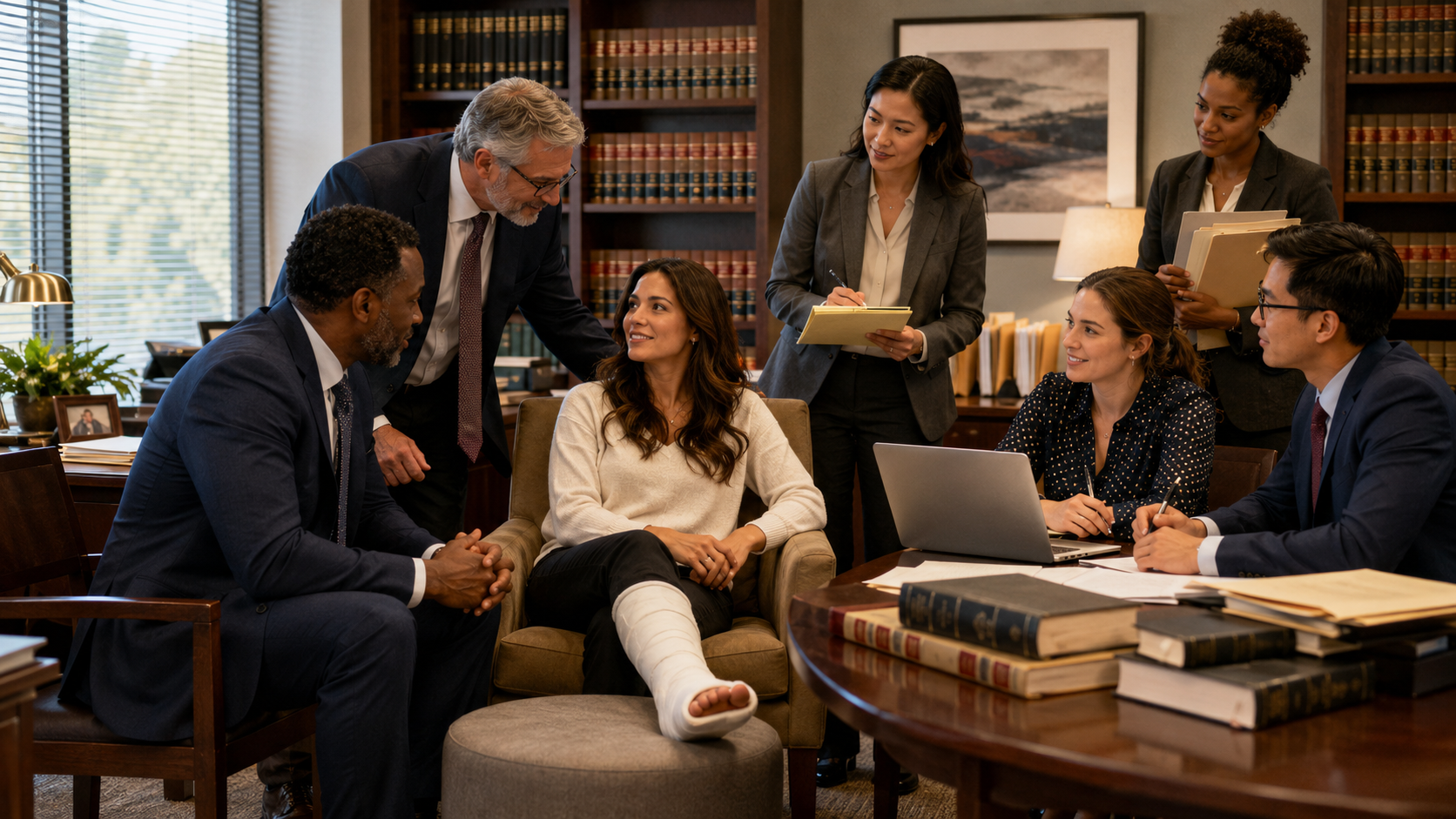
At intake, a personal injury attorney studies how local jurors may view fault, pain behavior, treatment gaps, and daily limits.
Long Island roads and communities saw meaningful safety gains in 2025, yet the numbers still tell a sobering story for accident victims. Statewide, serious traffic injuries climbed to 13,133 in 2024, while motorcyclists injured in crashes rose 8% to 4,989 that same year. New York City recorded 2,947 serious traffic injuries in 2025 alone, a reminder that even as fatality rates trend downward, thousands of residents across the region continue to suffer life-altering harm each year from motor vehicle wrecks, slip and falls, workplace accidents, and medical negligence.
For anyone facing a physical, emotional, or financial recovery after such an event, having a skilled personal injury attorney serving Long Island can make all the difference between a lowball settlement and the compensation truly owed. Every case carries its own set of facts, injuries, and challenges, which is why the strongest firms prepare each claim with the same rigor they would bring to a case presented before a jury. In this post, let’s see how that approach shapes outcomes for clients across Long Island.
Trial Readiness Starts Early
At intake, a personal injury attorney studies how local jurors may view fault, pain behavior, treatment gaps, and daily limits. That analysis guides evidence requests, witness calls, medical review, and settlement posture, because every claim may require clear public proof if negotiations stall.
Facts Come Before Theory
Good trial work starts with verified facts, not assumptions. Police reports, incident logs, photographs, video clips, repair invoices, medical notes, and insurance letters all matter. Each source is compared with the client’s account and known dates. If something conflicts, the team treats that issue as a warning sign and resolves it before filing demands.
Related stories
Evidence Needs a Timeline
Jurors usually understand harm through sequence. A clean timeline shows what occurred before impact, during the event, and after symptoms appeared. It can connect unsafe conduct with diagnosis, therapy, missed work, and lasting restrictions. Chronology also reveals defense arguments built on delay, incomplete records, or selective reading.
Witnesses Shape Credibility
Witnesses offer context that documents cannot carry alone. Here are some examples of what that means:
- A bystander may describe speed, lighting, floor condition, warning signs, or driver behavior.
- A supervisor can explain reduced endurance after injury.
- A spouse may notice sleep loss or trouble with basic tasks.
Early contact preserves memory while details remain usable.
Medical Proof Must Be Clear
Medical records often contain dense shorthand, test values, and treatment codes. A jury-focused team translates that material into a useful and reliable account of injury. Diagnosis, imaging, nerve findings, therapy notes, medication changes, surgical opinions, and work restrictions must align. Clear medical proof helps jurors see how trauma affected body function over time.
Damages Need Detail
Losses need documentation, not broad labels. Bills, wage statements, tax returns, benefit records, and repair estimates support financial harm. Pain journals, therapy updates, and family testimony can explain personal limitations. Strong damage proof links each claimed loss to evidence that can withstand direct questioning and cross-examination.
Experts Add Structure
Some claims require professional explanation. The following kinds of professional support may be needed in some personal injury cases:
- Physicians may address causation, prognosis, or future treatment.
- Engineers can analyze collision forces, code violations, or unsafe property conditions.
- Economists may calculate reduced earning capacity.
- Life care planners can project medical needs.
The right expert teaches plainly, stays within training, and handles pressure without drifting.
Liability Must Be Tested
Fault rarely stays simple once the defense responds. Insurers may blame the injured person, another driver, a contractor, a landlord, or an employer. Trial preparation tests those theories early. That review helps identify responsible parties, preserve claims, and prepare direct answers to comparative fault arguments.
Insurance Talks Improve With Pressure
Insurance companies measure risk. A case prepared for trial carries more weight than a loose demand packet. Organized exhibits, reliable witnesses, consistent treatment records, and clear damage calculations show readiness. That pressure can shift negotiations because the carrier sees what jurors may hear if settlement fails.
Client Preparation Matters
Clients deserve calm guidance before stressful legal events. A trial-ready firm explains document duties, deposition questions, medical history review, and courtroom procedure in plain language. Preparation protects truthful testimony from confusion. It also helps injured people accurately describe pain, treatment, work loss, and home limitations.
Settlement Still Remains Possible
Preparing for a jury does not force a trial. It improves decision-making. When proof is organized, lawyers can compare a settlement offer to likely courtroom value, legal risk, and client needs. Such a comparison gives injured people a grounded choice, rather than pressure built on fear or delay.
Conclusion
Jury-focused preparation brings order to a personal injury claim from the beginning. It preserves evidence, tests weak points, clarifies medical proof, and connects damages to real life. This discipline can improve settlement talks and strengthen courtroom presentation if trial becomes necessary. For injured people, the benefit is practical: fewer surprises, clearer proof, and a team ready to explain the case with care.
Comments

Powered by RoundtableAn AI/DeFi-powered Enterprise Media Operating System. Learn more at Roundtable.io.© Roundtable 2026. By using this site you agree to the Terms of Use and Privacy Policy