
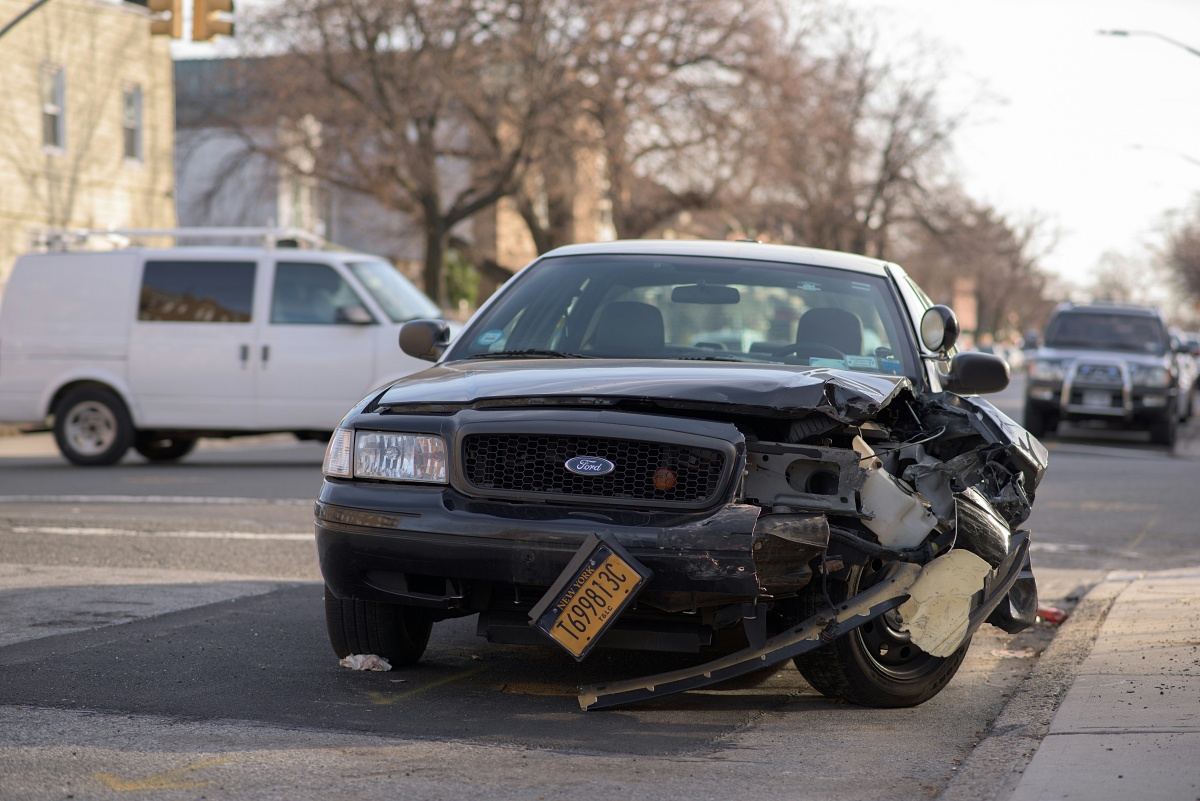
Photo by Michael Jin on Unsplash


Personal Injury Claims
Jul 2, 2024 7:00 AM
Updated Jul 6, 2024 1:23 AM
The most common type of personal injury claim stems from auto accidents. Vehicle collisions happen daily.
Accidents can happen almost anywhere and at any time. Maybe it’s a car collision on your way to the store or a slip-and-fall accident at work. Defective products can also result in injuries, and these are only a few examples of the common types of personal injury claims accident attorneys routinely see.
If you’re not sure if your accident qualifies as a personal injury claim or you’re just curious to learn more, keep reading to find out what are the common types of injury claims.
Automobile Accidents
The most common type of personal injury claim stems from auto accidents. Vehicle collisions happen daily.
According to the National Highway Traffic Safety Administration (NHTSA), an estimated 1,900,539 individuals were injured in traffic accidents in 2022. The causes of vehicle accidents vary from speeding to distracted driving and driver intoxication, to name a few.
Related stories
Regardless of the reason for the collision, the injured parties typically seek compensation from the at-fault driver for their damages. These damages can include medical expenses, property repair costs, lost income, pain, and suffering.
Most auto accident claims also mean proving negligence, which means you must show the at-fault driver acted recklessly or negligently, and their behavior is responsible for the accident and your damages.
Medical Malpractice Claims
Medical malpractice claims are quite as common as vehicle accidents, which is generally considered good news. No one wants to believe their healthcare provider would be reckless or negligent; you expect to receive quality healthcare without any medical errors.
While not every medical mistake qualifies as medical malpractice some errors are too egregious to ignore. An example is if a surgeon accidentally leaves a sponge behind in a patient. The patient goes home believing everything is fine until the sponge begins causing issues.
Even though the surgeon didn’t purposefully forget the sponge, it’s an error that’s difficult to ignore. In this instance, you probably have grounds to file a medical malpractice claim.
Before you start the claim process, it’s a good idea to check with your state’s medical malpractice laws. Most states cap compensation amounts, especially if the patient is filing a claim against a hospital or other type of healthcare facility. For example, Oregon caps non-economic medical malpractice claims at $500,000. The cap can impact your compensation amount.
Product Liability Claims
Like with medical malpractice claims, not all defective products meet the standards necessary for filing a personal injury claim. If bubbles from your shampoo get into your eyes, causing irritation or even temporary vision loss, you probably can’t file a personal injury claim.
However, if an airbag malfunctions resulting in injuries, you probably have grounds for an injury claim. The Takata airbag recall is a good example of a product liability claim. To meet the grounds necessary to file a claim, the product manufacturer, distributor, and/or retailers must knowingly have an unsafe item for sale.
Before you start pointing out all of the potentially hazardous products, labels are also a crucial part of a liability claim. The product must not have safety instructions or warning labels. In other words, you purchase a product believing there aren’t any risks and sustain an injury.
Slip and Fall Accidents
You can’t have a list of common personal injury claims without including slip-and-fall accidents. Most slip-and-fall accidents are considered premises liability claims, which holds the property owner, manager, or tenants responsible for maintaining the property. If conditions are unsafe, they’re required to place caution signs around the potential hazard.
Whether the slip-and-fall accident is caused by a wet floor, an obstacle in a walkway, or poor lighting, if the hazard is one that a reasonable person would be aware of, there’s a good chance you can file an accident claim.
However, like all of the other types of personal injury claims, you must prove negligence. Along with knowing about the hazard, you must also show a reasonable person would take steps to correct the problem.
Workplace Accidents
A personal injury claim for a workplace accident is a little different. This is one of the few times you’re not required to show negligence. Most employers are required to carry workers’ compensation insurance. There are a few exceptions like for a small retail shop with only a couple of employees.
If your injury occurs at work, you turn to your employer’s insurance (worker’s compensation). You alert your employer to the accident, seek medical attention, and file a claim with workers’ compensation. The insurance covers your medical expenses and lost wages if your injuries force you to miss work. If your injuries result in a long-term disability, workers’ compensation may pay out additional benefits.
Pedestrian and Bicycle Accidents
Pedestrian and cycling accidents often fall under the automobile collision category, and this is simply because vehicles are commonly involved in pedestrian and bicycle accidents.
If you’re hit by a motor vehicle while crossing an intersection or cycling, the steps you follow are about the same as if you’re driving a car. You prove fault and file a claim with the individual responsible for the accident insurance company. If you’re that at-fault party, you turn to your health insurance for coverage.
Motorcycle Accidents
The process for a motorcycle accident claim is the same as if you’re driving a car, SUV, or truck. The same traffic and insurance laws apply whether your vehicle has four wheels or two.
Something that may affect your claim is whether or not you’re wearing a motorcycle helmet. Even though Oregon doesn’t have a motorcycle helmet law, the insurance company can claim your lack of one contributed to the severity of your injuries.
Dog Bite Claims
You may be an animal lover but this doesn’t mean you can’t be bitten by a dog. If the animal is running loose and bites someone, in most cases, the pet’s owner is the liable party. This can even apply if you’re bitten on the owner’s property. The exception can be if you’re bitten while trespassing.

These are some examples of common types of personal injury claims. Hopefully, these brief examples helped answer any questions you have. If you still have questions, an experienced personal injury attorney can provide some clarification for your case.
Comments

Powered by RoundtableAn AI/DeFi-powered Enterprise Media Operating System. Learn more at Roundtable.io.© Roundtable 2026. By using this site you agree to the Terms of Use and Privacy Policy