


May 9, 2025 7:00 AM
Updated May 12, 2025 4:40 PM
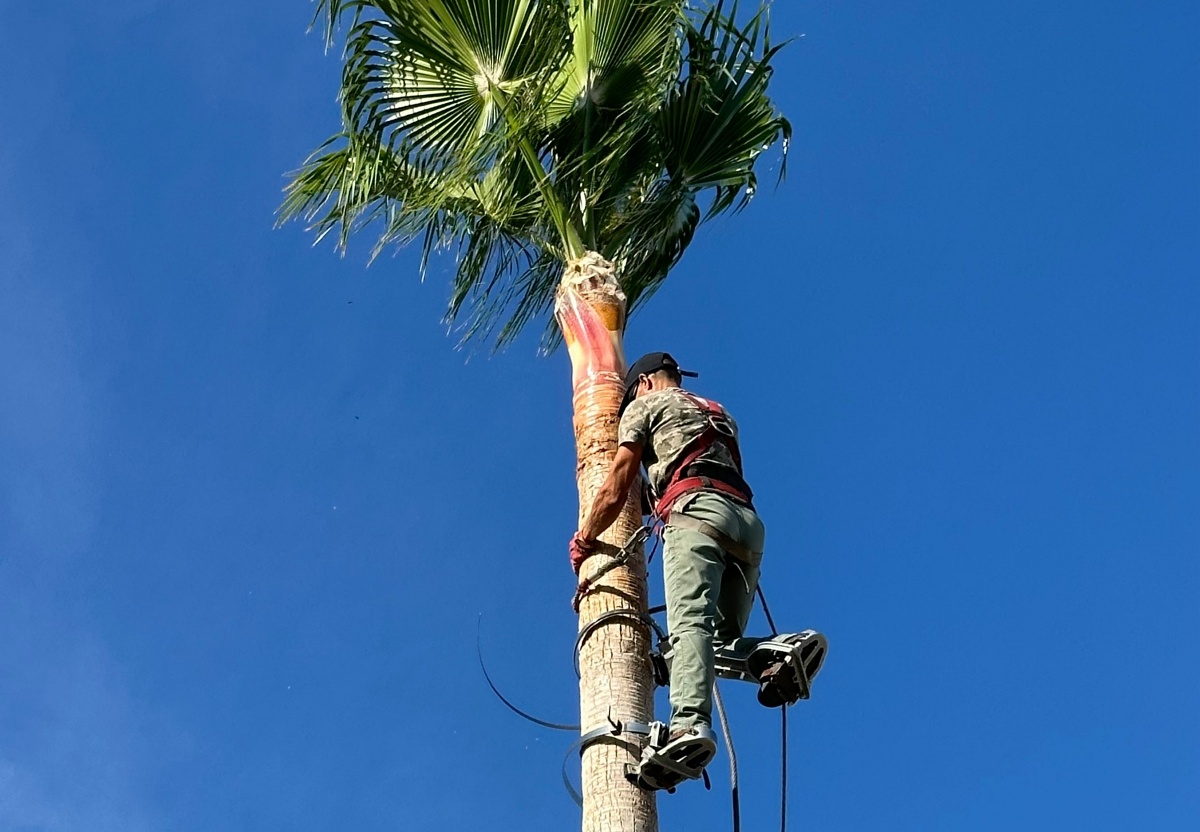
One of the most immediate dangers of skipping palm tree trimming is the risk posed by falling fronds.
Palm trees are a signature element of beautiful landscapes, adding an elegant and tropical charm to any property. However, while they may enhance curb appeal, they also require consistent maintenance. Many homeowners and property managers underestimate the impact of neglecting proper palm tree trimming, assuming it’s merely an aesthetic concern. The truth is, failing to maintain your palm trees can lead to significant financial consequences, including expensive damages, safety hazards, and even the need for complete palm tree removal.
Ignoring routine palm tree maintenance can result in hidden costs that ultimately lower your property’s value. From the risks of falling fronds to infestations and infrastructure damage, the repercussions of neglect extend far beyond appearances. Understanding these potential hazards is crucial for property owners who wish to preserve their investment and avoid costly surprises down the line. By proactively maintaining palm trees, property owners can prevent long-term financial burdens and ensure their landscapes remain both safe and visually appealing.
The Threat of Falling Fronds and Property Damage
One of the most immediate dangers of skipping palm tree trimming is the risk posed by falling fronds. Palm fronds can grow heavy and, when left untrimmed, they eventually drop. The weight of a single frond can be enough to damage parked cars, roofing, and windows. Worse still, if a frond falls on a passerby, it could lead to serious injury and liability issues.
Los Angeles is known for its palm-lined streets, but these trees are not without their dangers. High winds or storms can accelerate the risk of falling fronds, turning neglected trees into potential hazards. Property owners who fail to keep up with trimming might find themselves dealing with not only costly repairs but also legal implications if someone gets injured on their property. Preventative maintenance is key to avoiding these potentially disastrous outcomes.
Related stories
Pest Infestations: A Costly Consequence
Neglected palm trees can become breeding grounds for pests, including rats, cockroaches, and even invasive insects like the South American palm weevil. These pests thrive in the dead fronds and decaying debris that accumulate in untrimmed trees. Once an infestation takes hold, it can spread to nearby trees and even into homes, leading to expensive extermination costs and property devaluation.
Pest problems associated with untrimmed palm trees don’t just affect the tree itself. The presence of rodents and insects can deter potential buyers or renters, as no one wants to deal with a pest-infested property. Routine trimming not only keeps your palm trees healthy but also eliminates the ideal conditions for pests to thrive, saving you from expensive treatments and property damage. Additionally, neglected trees can act as a bridge for pests to move into homes and commercial properties, making professional maintenance even more crucial.
Increased Fire Hazards and Safety Risks
Dry, dead fronds hanging from palm trees are highly flammable. In a city like Los Angeles, where wildfires are a constant concern, neglected palm trees can become fire hazards. If these dry fronds catch fire, they can ignite nearby trees, homes, and power lines, leading to devastating consequences.
The risks of fire extend beyond just rural and suburban areas. Even in urban environments, a palm tree fire can spread quickly, threatening residential and commercial properties alike. Regular trimming removes these fire-prone fronds, reducing the risk of ignition and protecting both individual properties and surrounding communities. Responsible tree care is essential in ensuring the safety of residents and minimizing fire risks in vulnerable areas.
Structural Damage and Infrastructure Problems
When palm trees grow unchecked, their roots and branches can cause significant infrastructure damage. Overgrown palm roots have been known to crack sidewalks, disrupt plumbing systems, and even interfere with underground electrical wiring. These damages not only present safety concerns but can also lead to costly repairs that might have been avoided with routine maintenance.
In some cases, cities may even require property owners to remove palm trees that are causing damage to public infrastructure. The cost of palm tree removal can be substantial, especially for large, mature trees. Property owners who invest in regular trimming can avoid these issues altogether and save thousands in repair and removal costs. Moreover, proper maintenance extends the lifespan of the tree, ensuring it remains a valuable asset to the property rather than a liability.
The Legal and Insurance Ramifications of Neglect
Neglecting palm tree maintenance doesn’t just affect your property’s value—it can also have legal and insurance-related consequences. If an untrimmed palm tree on your property leads to damage or injury, you could be held liable for negligence. In extreme cases, this could result in lawsuits, settlement costs, or increased insurance premiums.
Some insurance policies may also refuse to cover damages caused by neglected trees, considering them a preventable risk. Homeowners who fail to maintain their palm trees might find themselves paying out of pocket for damages that could have been mitigated through proper upkeep. Being proactive with trimming ensures compliance with local regulations and protects against potential legal complications. Property owners should review their insurance policies and local ordinances to ensure they are meeting all necessary maintenance requirements.
Reduced Curb Appeal and Property Value
First impressions matter, especially in real estate. A property with well-maintained landscaping, including neatly trimmed palm trees, is far more appealing to potential buyers or tenants than one with overgrown or dying trees. Overgrown palm trees can make a property look abandoned or neglected, reducing its marketability and overall value.
In competitive real estate markets like Los Angeles, every detail counts. A neglected landscape can make a home less desirable, leading to lower offers or extended time on the market. Investing in regular trimming not only preserves the aesthetic appeal of your property but also ensures you receive the highest possible value when it comes time to sell or rent. Buyers are increasingly looking for move-in-ready properties, and an untidy landscape can be a deal-breaker.
Avoiding the Costly Alternative: Palm Tree Removal
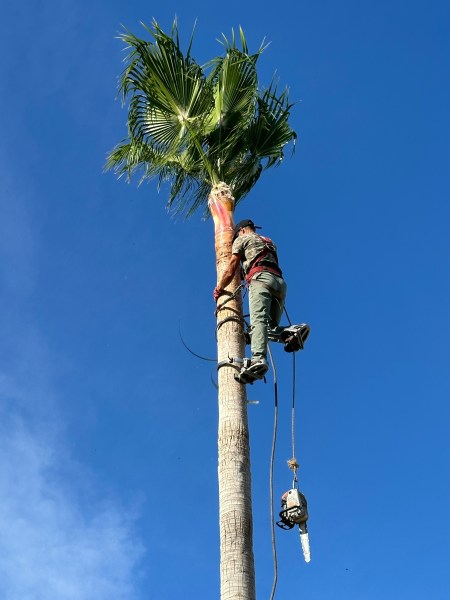
If a palm tree becomes too overgrown, diseased, or structurally unstable due to neglect, removal may be the only option. Palm tree removal is far more expensive than regular trimming, often costing hundreds or even thousands of dollars depending on the size and location of the tree.
Once removal becomes necessary, the costs don’t stop there. Property owners may need to invest in stump grinding, replanting, and potential landscaping repairs to restore the property’s visual appeal. Routine maintenance helps avoid the extreme step of removal, preserving both the tree and the property’s overall investment. Regular care extends the life of your trees, preventing unnecessary and costly interventions.
Conclusion
The hidden costs of neglecting palm tree maintenance go far beyond aesthetics. From falling fronds and pest infestations to fire hazards and legal liabilities, skipping routine trimming can lead to significant financial and safety consequences. In the worst cases, property owners may even be forced into expensive palm tree removal, further diminishing their investment.

By prioritizing regular palm tree trimming, property owners protect their homes, preserve curb appeal, and prevent costly repairs or legal issues. Maintaining your trees is not just an investment in landscaping—it’s an investment in property value, safety, and long-term financial stability. Taking action now can save you from unexpected expenses and help ensure your property remains an asset rather than a liability.
Comments

Powered by RoundtableAn AI/DeFi-powered Enterprise Media Operating System. Learn more at Roundtable.io.© Roundtable 2026. By using this site you agree to the Terms of Use and Privacy Policy