


Jun 28, 2021 4:15 PM
Updated Feb 10, 2022 11:03 PM
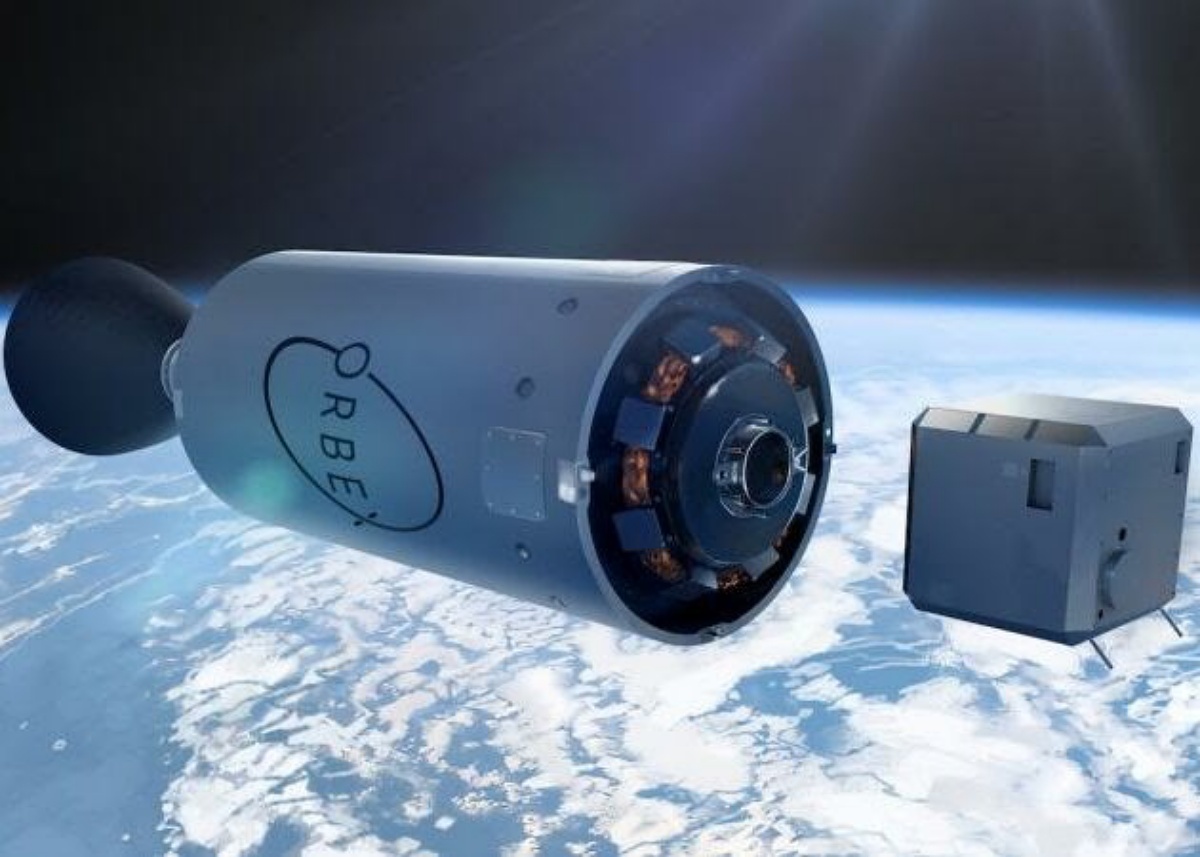
The European Space Agency is looking outside the EU’s borders for its newest commercial partners. However, will UK firms like Orbex Space be able to stake their futures on continental funding?
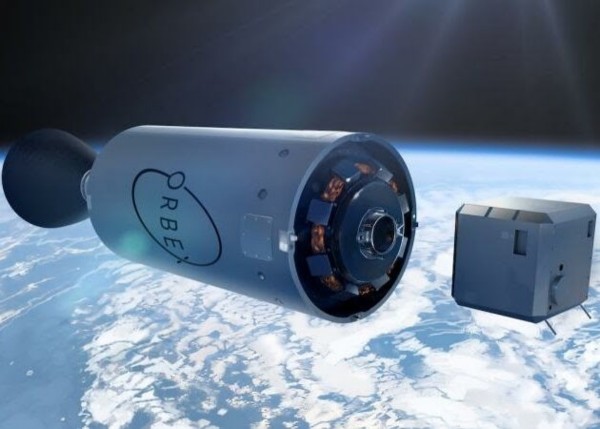
A new golden age of space activity seems to be upon us, catalyzed by the rapid growth of the commercial space industry that has also served to reinvigorate government space programs. Today space is a business fuelled by market growth just as much as the spirit of scientific inquiry. As state regulators and space agencies collide with these commercial interests, the European Space Agency (ESA) has undertaken a vigorous program of funding commercial space companies to help bolster Europe’s presence in the global space industry. However, as ESA continues to distribute funds to different space technology firms who are directly vying with each other for a share of the market, a question emerges. Is the ESA seeking genuine cooperation with small firms like Orbex Space or simply stoking competition?
Ongoing ESA Launch Projects
From recent comments, the ESA has made clear its intentions to join the frontlines of the commercialization of space. This intent was borne out when a European astronaut joined the commercial partnership mission between SpaceX and NASA for the first time in history. ESA Director General Josef Aschbacher described the mission as Europe’s “initiation of the commercialization of space”. The ESA followed through on these intentions with a launch from French Guiana on April 28 this year, deploying six commercial satellites into orbit. Clients with payloads onboard hailed from Norway, France, and the United States. The launch was contracted out to the French aerospace company Arianespace, who will be carrying out all of ESA’s rocket launches of the Vega and Ariane 5 models.
The European Space Agency is looking outside the EU’s borders for its newest commercial partners. However, will UK firms like Orbex Space be able to stake their futures on continental funding?
This is where things get interesting, however. The ESA has also commissioned the German firm Rocket Factory Augsburg AG to “study the future of the European space transportation sector”. This suggests that the ESA is taking a long-term view of the situation, looking for other commercial partners to create future-proof solutions beyond the lifespan of the Ariane 6 and Vega-C projects. This could be a cause for concern for Arianespace’s shareholders. That said, the ESA has lodged a large order of their rockets to help bring the EU’s Copernicus space observation program to fruition.
Related stories
ESA Looks to Widen Commercial Partnerships
What’s even more intriguing, though, is that the ESA is also looking beyond the EU’s borders for its future commercial partners. While post-Brexit Britain may seem an unlikely source of partnerships, UK rocket firms are definitely on the ESA’s radar. Orbex Space and Skyrora are two such companies. Despite the UK’s presence on the global stage, a rocket has never actually been fired into space from the island. Nevertheless, these two UK firms received a total of $12.35 million from the ESA in March of this year to help develop their own microlauncher solutions with funding from ESA’s Boost! programme.
It’s initially puzzling that the ESA would fund a company headquartered in Scotland, but Orbex Space actually has operations in Munich and Copenhagen, giving it a distinctly pan-European business profile. Additionally, much of the funding is likely to go to European firms subcontracted for the manufacture of various launch components, such as the Spanish firm Elecnor Deimos. If Orbex Space wishes to solicit funding from the UK government in future, the company may have some difficult questions to answer when much of the money will eventually end up in the hands of EU companies.
Why is the ESA Driving Commercial Competition?
As investors continue to throw their weight behind the commercial space industry, it’s no surprise that the ESA wants to capitalize on the sector’s potential. However, going forward, it will be fascinating to see which firms get priority when the time comes for awarding future contracts. It’s fair to say that, despite experimenting with UK companies like Orbex Space, the ESA is likely to focus the lion’s share of its funding on EU companies. Especially with the ongoing political fallout from Brexit. But it’s fair to say that whichever company is the first to successfully launch a rocket will be of great interest in the future.
A Future Up in the Air

Until a rocket actually leaves the ground in Europe, the ESA’s future commercial strategies will be difficult to predict. However, with the majority of its funding likely to go to EU firms like Arianespace, UK companies like Orbex Space might be setting themselves up for failure if they stake their future on European funding. As the EU continues to divest itself of the UK’s influence, and with plenty of EU-based space firms willing to accept ESA contracts, it’s clear that UK firms will need to look elsewhere for their future commercial partnerships. And the UK government needs to find more opportunities to support home-based space initiatives.
Comments

Powered by RoundtableAn AI/DeFi-powered Enterprise Media Operating System. Learn more at Roundtable.io.© Roundtable 2026. By using this site you agree to the Terms of Use and Privacy Policy