


Jun 19, 2024 7:00 AM
Updated Jun 23, 2024 8:47 PM
As consumer expectations rise and supply chains become more complex, companies are turning to sophisticated logistics solutions to streamline operations, reduce costs, and enhance customer satisfaction.
In the rapidly evolving landscape of global commerce, businesses are increasingly recognizing the critical role of logistics technology in maintaining competitive advantage. As consumer expectations rise and supply chains become more complex, companies are turning to sophisticated logistics solutions to streamline operations, reduce costs, and enhance customer satisfaction. This article explores the necessity of logistics technology for businesses, with a particular emphasis on third-party logistics (3PL) software and warehouse management systems (WMS).
The Rising Demand for Logistics Technology
The logistics sector is the backbone of global trade, ensuring the efficient movement of goods from manufacturers to consumers. However, traditional logistics methods are often insufficient to handle the complexities of modern supply chains. Factors such as globalization, e-commerce boom, and the need for real-time tracking and reporting demand advanced technological solutions. Logistics technology encompasses a wide range of tools and systems designed to improve various aspects of supply chain management. These include transportation management systems (TMS), inventory management systems, and, most notably, third-party logistics software and WMS. These technologies help businesses automate processes, optimize resource utilization, and gain actionable insights through data analytics.
Third-Party Logistics (3PL) Software: Enhancing Outsourced Logistics
Many businesses, particularly small and medium-sized enterprises (SMEs), rely on third-party logistics providers to manage their supply chain needs. 3PL providers offer a range of services, including transportation, warehousing, and distribution, allowing companies to focus on their core competencies. The adoption of 3PL software has become crucial in optimizing these outsourced logistics functions.
Key Benefits of 3PL Software:
- Operational Efficiency: 3PL software automates various logistics processes, reducing manual intervention and the likelihood of errors. This leads to faster turnaround times and improved accuracy in order fulfillment.
- Cost Savings: By optimizing routes, consolidating shipments, and better managing resources, 3PL software helps reduce transportation and warehousing costs. This is particularly beneficial for businesses operating on tight margins.
- Scalability: As businesses grow, their logistics needs become more complex. 3PL software provides scalable solutions that can adapt to increasing volumes and diverse operational requirements without significant additional investment.
- Real-Time Visibility: One of the most significant advantages of 3PL software is the ability to provide real-time tracking of shipments and inventory. This transparency allows businesses to respond promptly to any disruptions and keep customers informed about their orders.
- Data-Driven Insights: Advanced analytics capabilities within 3PL software enable businesses to gain insights into their logistics operations. This data can be used to identify inefficiencies, forecast demand, and make informed strategic decisions.
Related stories
Warehouse Management Systems (WMS): Streamlining Storage and Distribution
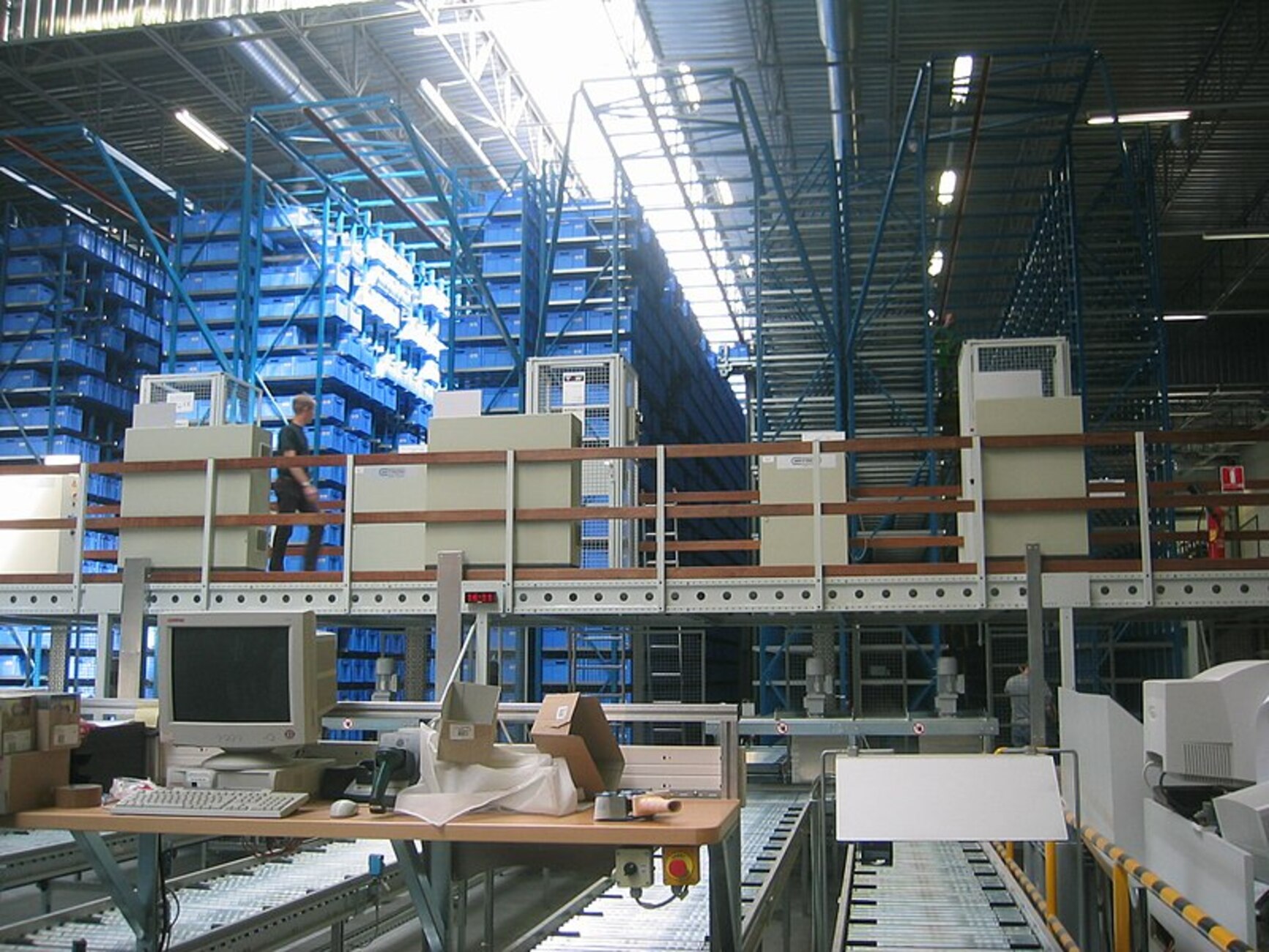
Warehousing is a critical component of the supply chain, and effective warehouse management is essential for ensuring the smooth flow of goods. Cloud-based WMS software solutions are specialized tools designed to optimize warehouse operations, from receiving and storage to picking, packing, and shipping. These advanced systems offer flexibility, scalability, and real-time data access, enabling businesses to enhance efficiency and improve overall warehouse performance.
Key Features and Benefits of WMS:
- Inventory Accuracy: WMS ensures precise inventory tracking, minimizing discrepancies between physical and recorded stock. This accuracy is crucial for maintaining optimal inventory levels and avoiding stockouts or overstock situations.
- Optimized Space Utilization: By analyzing the layout and storage conditions of a warehouse, WMS can recommend the most efficient use of space. This helps in maximizing storage capacity and improving accessibility to high-demand items.
- Enhanced Productivity: WMS automates routine tasks such as order picking and packing, reducing manual labor and speeding up processes. Advanced WMS solutions often incorporate technologies like barcode scanning and RFID to further enhance efficiency.
- Order Accuracy and Speed: With WMS, businesses can implement systematic picking strategies such as batch picking, zone picking, or wave picking. These methods improve order accuracy and reduce the time taken to fulfill orders, leading to higher customer satisfaction.
- Labor Management: WMS includes tools for tracking employee performance and scheduling shifts effectively. This ensures optimal use of labor resources and helps identify areas where additional training or support may be needed.
- Integration Capabilities: Modern WMS solutions can seamlessly integrate with other enterprise systems such as ERP (Enterprise Resource Planning) and TMS (Transportation Management System). This integration provides a unified view of the supply chain and facilitates better coordination between different functions.
CartonCloud: Streamlining Warehouse Management
CartonCloud is a leading cloud-based warehouse management system (WMS) designed to streamline logistics operations for businesses of all sizes. With its user-friendly interface and powerful features, CartonCloud simplifies complex tasks such as inventory management, order picking, and shipment tracking. The software offers real-time data access, allowing businesses to make informed decisions quickly and efficiently. Its scalability ensures that it can grow with a business, adapting to increased volumes and evolving needs. Additionally, CartonCloud integrates seamlessly with other systems, providing a comprehensive solution for end-to-end logistics management. This makes it an invaluable tool for companies aiming to enhance their warehouse operations and improve overall supply chain efficiency.
The Synergy of 3PL and WMS
While 3PL software and WMS individually offer substantial benefits, their combined use can significantly enhance overall logistics performance. For businesses outsourcing their logistics operations, integrating 3PL software with a robust WMS ensures that both outsourced and in-house logistics functions are aligned and optimized.
Advantages of Integrated 3PL and WMS Solutions:
- Unified Visibility: An integrated system provides comprehensive visibility across the entire supply chain, from warehouse operations to transportation and delivery. This holistic view is crucial for effective decision-making and rapid response to any issues.
- Seamless Communication: Integration facilitates better communication between 3PL providers and businesses, ensuring that all parties are on the same page regarding inventory levels, order status, and delivery schedules.
- Enhanced Coordination: With integrated systems, businesses can better coordinate their logistics activities, reducing delays and improving overall efficiency. For example, warehouse operations can be synchronized with transportation schedules to ensure timely dispatch and delivery.
- Improved Customer Service: By leveraging the strengths of both 3PL and WMS, businesses can offer more reliable and faster delivery services. Real-time tracking and accurate order fulfillment lead to higher customer satisfaction and loyalty.
- Scalability and Flexibility: Integrated solutions are designed to be scalable, allowing businesses to expand their operations without significant disruptions. This flexibility is vital in adapting to changing market conditions and customer demands.
Conclusion
In today's competitive business environment, the adoption of advanced logistics technology is not just an option but a necessity. Third-party logistics (3PL) software and warehouse management systems (WMS) are critical components of this technological framework, offering numerous benefits such as operational efficiency, cost savings, scalability, and real-time visibility.

By integrating 3PL software with WMS, businesses can achieve a seamless and optimized supply chain, enhancing their ability to meet customer expectations and drive growth. As technology continues to evolve, staying ahead of the curve with innovative logistics solutions will be essential for businesses aiming to thrive in the global marketplace.
Comments

Powered by RoundtableAn AI/DeFi-powered Enterprise Media Operating System. Learn more at Roundtable.io.© Roundtable 2026. By using this site you agree to the Terms of Use and Privacy Policy