


Sep 20, 2018 2:46 PM
Updated Feb 10, 2022 10:10 PM
Cindy Trillo: Despite big promises from the capitol and the White House, no bills have made a serious dent in the issue and it continues to spread, unabridged, bar the potential moves towards re-regulating pharma corps.
The opioid epidemic has been analzsed and there are few lawmakers in the country who would go against the hard evidence that clearly shows its effects. Federal statistics show that 115 people overdose on opioids daily, and that’s adding a huge weight to the alcohol and other drug misuse epidemic facing the US. It’s an economic disaster, too; NIAAA estimate that alcohol addiction costs the country over $230 billion per year.
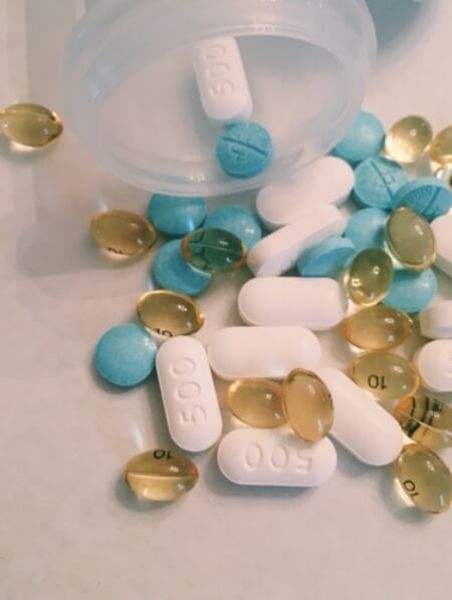
Unfortunately, political inaction is furthering the extent of the crisis. Despite big promises from the capitol and the White House, no bills have made a serious dent in the issue and it continues to spread, unabridged, bar the potential moves towards re-regulating pharma corps. However, with the effects now branching into other, influential industries, could there be change? And if not, what progressive action can be taken to drive forward?
The influence of the drug epidemic on insurance markets
Despite big promises from the capitol and the White House, no bills have made a serious dent in the issue and it continues to spread, unabridged, bar the potential moves towards re-regulating pharma corps.
Unlike other drug epidemics, the opioid crisis has been characterized by its indiscriminate effect on the various income bands. Often taken in response to trauma such as back problems, it can infiltrate day-to-day life. One of the effects of this is a huge spike in DUI related deaths. According to USA Today, opioid-related DUI deaths have risen 6.2% to 7.2% of all DUI deaths. These statistics, compiled from a report that included California drivers, are considered to be a major contributor to a spike in auto insurance, which according to ValuePenguin has now spiked to $132pcm in California. With rising insurance costs, there’s an impact on the legal arena, too; in neighboring Arizona, one professional Mesa DUI lawyer has suggested conflicts with insurance companies will cause an increase in litigation to recover DUI costs.
The implications for lobbyists
The insurance sector holds serious weight. In 2012 alone, $55m was donated by the industry (according to watchdog OpenSecret). 68% of that total went through to republicans. However, in 2016’s election cycle, that balance was redressed and it dropped under 60%, with the Dems taking up the remainder. While there are many factors staged within this, there is clearly an impact on the subsidiary industries impacted by opioid related DUI.
Related stories
Is there a progressive option?
Unfortunately, stemming the flow of the opioid crisis is not simply a matter of putting democrats in. After all, the crisis has lingered since way before the republicans had any power in the country. While it’s a healthy option for the entire outlook of the nation to go blue this November, it’s definitely worth looking into progressive candidates and measure. For example, progressive gubernatorial candidate Gavin Newsom earmarked marijuana profits for opioid relief in stark contrast to some anti-drug, pro-pharma positions taken by lawmakers. California is blessed with a radical slate and making real change is a case of getting out the vote and helping good ideas become reality. Replacing the chaff that constitute senate with people willing to take action is the best route.
Pressure is mounting on lawmakers given the focus special interests are putting on the opioid crisis. Regardless of funding shift between parties, it might be better to continue to push for progressive candidates. That way, change will be organic and led by people, not lobbies.
Cindy Trillo
Sponsored
Comments

Powered by RoundtableAn AI/DeFi-powered Enterprise Media Operating System. Learn more at Roundtable.io.© Roundtable 2026. By using this site you agree to the Terms of Use and Privacy Policy