



Mar 31, 2025 7:00 AM
Updated Apr 4, 2025 4:19 AM
As more states embrace online betting, Pennsylvania stands out as a leader, generating significant revenue and sparking debates about its impact.
Online sports betting in Pennsylvania has exploded recently, transforming how we engage with our favorite games. With the convenience of placing bets from our phones or laptops, it’s no surprise this industry is thriving. But this rapid growth isn’t just about the thrill of the wager—it’s reshaping communities in ways we’re only beginning to understand.
As more states embrace online betting, Pennsylvania stands out as a leader, generating significant revenue and sparking debates about its impact. What does this mean for local economies, public services, or even the social fabric of our neighborhoods? Let’s jump into how online betting impacts communities and what the future might hold.
The Growth of Online Sports Betting in Pennsylvania
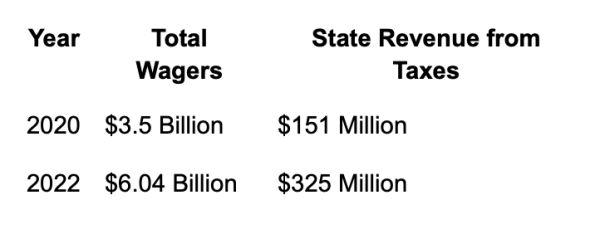
Online sports betting in Pennsylvania has seen an exponential rise since its legalization in 2019. The state recorded over $6 billion in total sports bets in 2022, cementing its position as one of the largest markets in the United States. User-friendly platforms, widespread smartphone adoption, and the growing acceptance of digital wagering fuel this rapid expansion. For those exploring options in the state, this BetRivers sportsbook review offers insights into one of the key platforms contributing to Pennsylvania's sports betting success.
Factors Driving Pennsylvania's Market Expansion
Several factors play a crucial role in the success of the state’s online betting industry:
Related stories
Legislative Support
Pennsylvania's regulatory framework prioritizes transparency and consumer protection. The Pennsylvania Gaming Control Board (PGCB) oversees licensing and compliance, ensuring fair play and safety for bettors.
Variety of Platforms
Leading operators like FanDuel, DraftKings, and BetMGM offer accessible apps and websites. This diversity provides users with tailored experiences and competitive promotions.
Revenue Impact
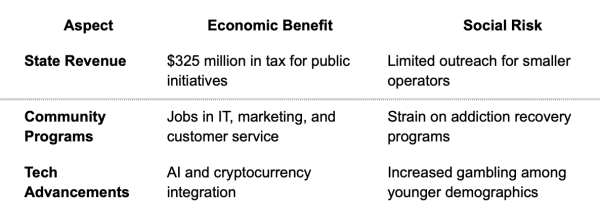
State tax revenue from online sports betting reached $325 million in the fiscal year 2022-23. These funds contribute to public initiatives like education and infrastructure.
Community and Economic Implications
The industry does more than boost state revenue; it also impacts local communities:
- Job Creation
The rise in sports betting platforms creates positions in IT, marketing, and customer service.
- Funding Public Programs
Tax contributions support community projects, including education grants and senior citizen services.
Here’s a quick snapshot of Pennsylvania's online sports betting growth:
Challenges in Managing Industry Growth
Even though its benefits, the industry faces challenges:
- Problem Gambling
The increased accessibility of online platforms can lead to gambling addiction. Organizations like the Council on Compulsive Gambling of Pennsylvania work to provide resources for those impacted.
- Market Saturation
With over 14 active operators, market competition could dilute profitability for smaller providers.
Innovations Shaping the Future
Operators are investing in innovative technologies:
Live-Betting Features
Live wagering gives users the chance to bet in real-time as games progress.
AI-Based Personalization
AI algorithms tailor betting options based on user interest, enhancing experiences.
Cryptocurrency Payments
Cryptocurrencies offer fast, secure transactions, attracting tech-savvy bettors.
Historical Context of Sports Betting in Pennsylvania
Sports betting in Pennsylvania has experienced tremendous growth since legalization. It continues transforming economic landscapes and shaping community initiatives across the state.
Legislation and Legal Milestones
Pennsylvania laid the groundwork for legal sports betting in 2017. State lawmakers approved legislation permitting sports betting, contingent on changes to federal law. Following the US Supreme Court's repeal of PASPA in May 2018, Pennsylvania opened its first retail sportsbook at Penn National Racecourse by November 2018. Online sports betting officially launched in 2019, starting with SugarHouse Sportsbook.
Initial Community Reactions
The introduction of sports betting sparked diverse responses from Pennsylvania residents. Many applauded its potential to boost local economies and generate tax revenue for public funding. Concerns arose about responsible betting, highlighting the need for county-level programs addressing potential gambling addictions.
How Online Sports Betting Benefits Communities
The economic benefits derived from online sports betting directly impact Pennsylvania's communities. Key impacts include increased state revenue, enhanced public programs, and job creation.
Revenue Contribution
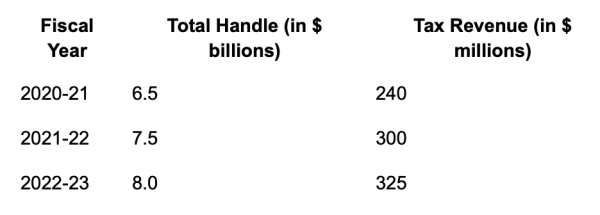
Pennsylvania collected $325 million in tax revenue from sports betting in the fiscal year 2022-23. These funds supported public schools, infrastructure projects, and property tax relief.
Employment Opportunities
The rise of online platforms has expanded job markets. Roles in IT, marketing, and support services contribute to statewide employment. Companies like FanDuel and DraftKings employ diverse talent pools, boosting local economies.
Table: Pennsylvania Sports Betting Revenue Growth
Challenges Addressed in Local Communities
The rapid expansion of betting platforms raised challenges related to responsible gambling. Public campaigns funded by industry taxes focus on promoting responsible betting habits. Initiatives like self-exclusion programs and addiction treatment support were implemented across counties.
The Road Ahead
Online sports betting's success in Pennsylvania highlights its potential to improve public services and local economies. Balancing sustained growth with responsible gaming practices ensures these benefits continue addressing community needs effectively.
Factors Behind the Rise of Online Sports Betting
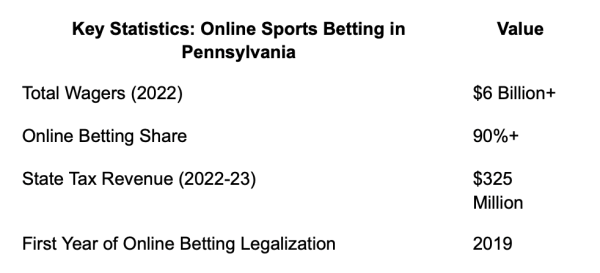
Since its legalization in 2019, online sports betting in Pennsylvania has become a dominant industry. Boasting over $6 billion in total bets during 2022, this growing sector is creating significant economic and social impacts. Let’s explore what’s driving this surge and its implications for communities.
Technological Advancements
Advancements in mobile platforms and user interfaces have transformed online sports betting in Pennsylvania. Over 90% of sports bets are now placed online, fueled by apps offering live betting and detailed game stats. Operators such as bet365 Sportsbook have further improved user experience with sleek designs and sophisticated in-play features.
Changes in Consumer Behavior
Convenience and smartphone adoption have shifted consumer preferences toward digital betting. More individuals now prefer placing wagers from home or on-the-go. The ability to bet during live games with real-time updates has popularized this activity, particularly among millennials and Gen Z.
Marketing and Promotions
Aggressive promotions and targeted marketing campaigns have attracted a wider audience. Many platforms offer sign-up bonuses, free bets, and loyalty programs to retain customers. For instance, DraftKings and FanDuel have incentivized users with risk-free bets while leveraging social media advertising to reach diverse demographics.
Economic Impact on Pennsylvania
The economic returns of online sports betting directly benefit local communities. In the fiscal year 2022-23, the state generated $325 million in tax revenue from sports wagering, funding education projects and infrastructure improvements. The industry has also fostered job creation in tech, marketing, and customer service roles.
Responsible Gambling Measures
With growth come challenges like problem gambling. Pennsylvania has implemented self-exclusion programs and awareness campaigns funded by taxation. County-level initiatives are expanding resources for addiction treatment, ensuring that communities prioritize healthy gambling practices while enjoying the economic benefits.
Pennsylvania’s online sports betting market is leading the U.S. By advancing technology, capitalizing on changing behaviors, and supporting responsible gambling, this industry shows no signs of slowing down while continuing to impact communities positively.
Economic Impacts on Pennsylvania Communities
The rise of online sports betting has transformed Pennsylvania's economy and communities. Since legalization, the market's expansion has created jobs, boosted state revenue, and supported public services. Let’s jump into these impacts in detail.
Job Creation and Revenue Growth
Online sports betting has significantly increased employment opportunities. The hospitality industry, including casinos, bars, and restaurants, benefits from added roles like dealers, servers, and security personnel. Urban areas have seen the most growth, stabilizing economic conditions.
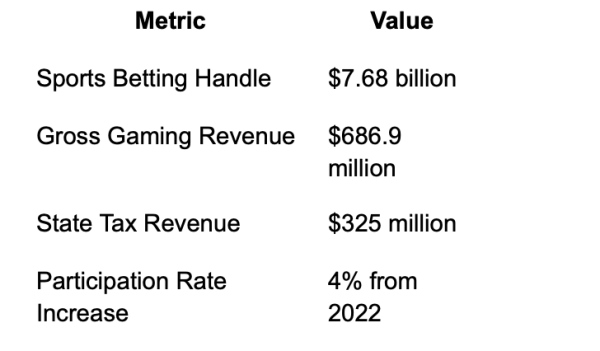
Pennsylvania reported a record $7.68 billion in sports betting handle in 2023, generating gross gaming revenue of $686.9 million. This marked a 15% increase from the previous year.
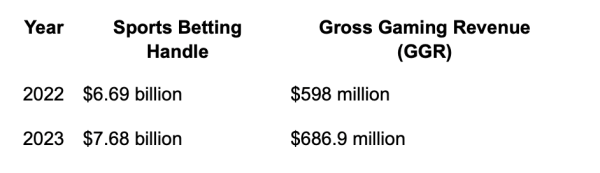
This surge in revenue directly supports state growth and development.
Allocation of Tax Revenue
The sports betting industry has become a vital source of tax income. In the fiscal year 2022-23, Pennsylvania collected $325 million in taxes from online betting. These funds have bolstered public education and infrastructure projects, ensuring practical community benefits.
For example, a portion of this revenue has gone toward repairing state highways and funding underprivileged school districts, enhancing residents’ quality of life.
Responsible Gaming Initiatives
To mitigate potential societal impacts, the state has invested in responsible gambling programs. These include addiction prevention campaigns, self-exclusion systems, and treatment resources. Tax funding ensures these programs remain accessible for vulnerable populations.
Supporting Broader Community Development
The industry’s growth has reinforced local communities, not just economically but socially. Improved facilities in regions hosting gambling hubs have attracted tourists, further boosting local businesses. The shift to digital platforms has made betting more accessible, spurring innovation in the tech sector.
The surge in Pennsylvania's online sports betting market brings economic benefits and innovative advancements. But, it also introduces social challenges that affect gambling behavior and households. Balancing these factors is essential to ensure its long-term positive impact.
Social Implications of Online Sports Betting
The rise in online sports betting has far-reaching effects on communities, families, and public health.
Responsible Gambling Concerns
Online sports betting's growth increases the prevalence of problem gambling. According to the 2024 Pennsylvania Interactive Gaming Assessment, 20% of adults now engage in online gambling, up from 16% last year. Problem behaviors, including excessive time and spending, affected 50% of those who gamble both online and offline. Stress-related gambling is also a concerning trend.
Effects on Local Communities and Families
This industry impacts families and communities by influencing finances and mental well-being. Increased gambling participation often leads to financial strain or relationship conflicts at home. Public health organizations have linked gambling problems to heightened stress levels, adding pressure on community-based support programs.
Economic Benefits vs. Social Risks
While online sports betting generates tax revenue and jobs, social costs emerge. Pennsylvania's $7.68 billion betting handle in 2023 led to $686.9 million in gross gaming revenue. These funds support infrastructure and education but coincide with rising addiction treatment needs. Below is a comparison of economic benefits and social risks:
Addressing Problem Gambling in Pennsylvania
State agencies prioritize responsible betting initiatives. Programs include self-exclusion tools, public campaigns, and treatment resources. Collaborations with organizations like the Council on Compulsive Gambling promote awareness and prevention.
Balancing Growth and Responsibility
The success of Pennsylvania's sports betting industry depends on sustainable strategies. We must ensure continued innovation and economic benefits while managing social risks through education, outreach, and accessible support systems.
Future Prospects for Online Sports Betting in Pennsylvania
Online sports betting in Pennsylvania has transformed significantly since its legalization. The industry is fueling economic development while introducing challenges that demand attention. Exploring market expansion, regulatory progress, and societal impact presents a clear picture of its future on our communities.
Predictions for Market Expansion
Pennsylvania's online sports betting market is set to grow further, driven by integrations of advanced technology and market innovations. Mobile adoption and AI-powered personalization will likely widen participation, with projections suggesting the annual sports betting handle could surpass $9 billion by 2025. Competitive platforms and strategic promotions will continue attracting younger audiences, sustaining engagement.
Potential Regulatory Changes
Evolving regulatory frameworks may refine tax structures and emphasize responsible betting. Discussions about stricter advertising guidelines aim to balance growth with public welfare. Enhanced state-level measures targeting addiction prevention and oversight mechanisms could reshape industry practices, fostering safer experiences.
Economic and Community Impacts
The economic benefits of online sports betting extend beyond state revenue. Tax contributions, which reached $325 million in 2022-23, fund public education, infrastructure, and addiction treatment programs. The industry also supports technical roles like app development and operational services, creating employment opportunities.
Table: Pennsylvania's Online Sports Betting Snapshot (2023)
Balancing Growth and Social Responsibility
The industry's rapid growth introduces social responsibilities. Rising problem gambling cases highlight the need for continuous investments in education and public resources. Programs like self-exclusion tools and 24/7 support helplines (ResponsiblePlay.pa.gov) mitigate these challenges. But, long-term strategies must ensure community well-being aligns with profit goals.
The potential for growth in online sports betting remains substantial, though it's critical we maintain a balance. Local communities benefit when economic gains are matched by responsible practices that address societal concerns.
Conclusion
The growth of online sports betting in Pennsylvania reflects a dynamic shift in how communities engage with entertainment and economic opportunities. While the industry delivers significant benefits like increased tax revenue, job creation, and technological innovation, it also presents challenges that demand attention.

Striking a balance between economic growth and social responsibility is essential. By prioritizing responsible gambling initiatives and fostering community-focused solutions, we can ensure that the industry's expansion supports both the economy and the well-being of Pennsylvania's residents.
Comments

Powered by RoundtableAn AI/DeFi-powered Enterprise Media Operating System. Learn more at Roundtable.io.© Roundtable 2026. By using this site you agree to the Terms of Use and Privacy Policy