


Nov 9, 2025 8:00 AM
Updated Nov 13, 2025 11:24 PM
Regular oil changes are essential for engine health and overall vehicle performance. Whether you do it at home or rely on a professional, timely oil changes prevent costly repairs.
Regular oil changes are essential for keeping your engine running smoothly and extending your car’s lifespan. If you prefer expert help, you can visit auto repair near me to get professional oil change services done efficiently and safely. Many drivers often ask how long an oil change takes and what steps are involved. On average, a standard oil change takes 15-20 minutes, depending on your vehicle type, oil grade, and whether the oil filter also needs replacement.
The process involves draining the old oil, replacing the oil filter, refilling with fresh oil, and checking for leaks. Performing this task regularly ensures your engine remains lubricated, reduces wear, and maintains optimal performance.
Factors That Affect Oil Change Time
When scheduling your oil change Houston service, it’s important to understand the factors that can influence how long the process takes. Several key elements can affect the total time:
Vehicle type: Simpler engines are faster to service, while luxury or hybrid models may require more time.
Related stories
Oil type: Synthetic oil changes can take slightly longer due to precise measuring and handling.
Technician experience: A skilled technician can complete the process efficiently without compromising quality.
Shop workload: If there are several cars ahead of you, expect some additional waiting time.
Additional checks: Fluid top-ups, filter replacements, or leak inspections add extra minutes but are beneficial in the long run.
Understanding these variables helps you set realistic expectations and ensures your oil change is completed promptly and professionally.
What Happens During an Oil Change?
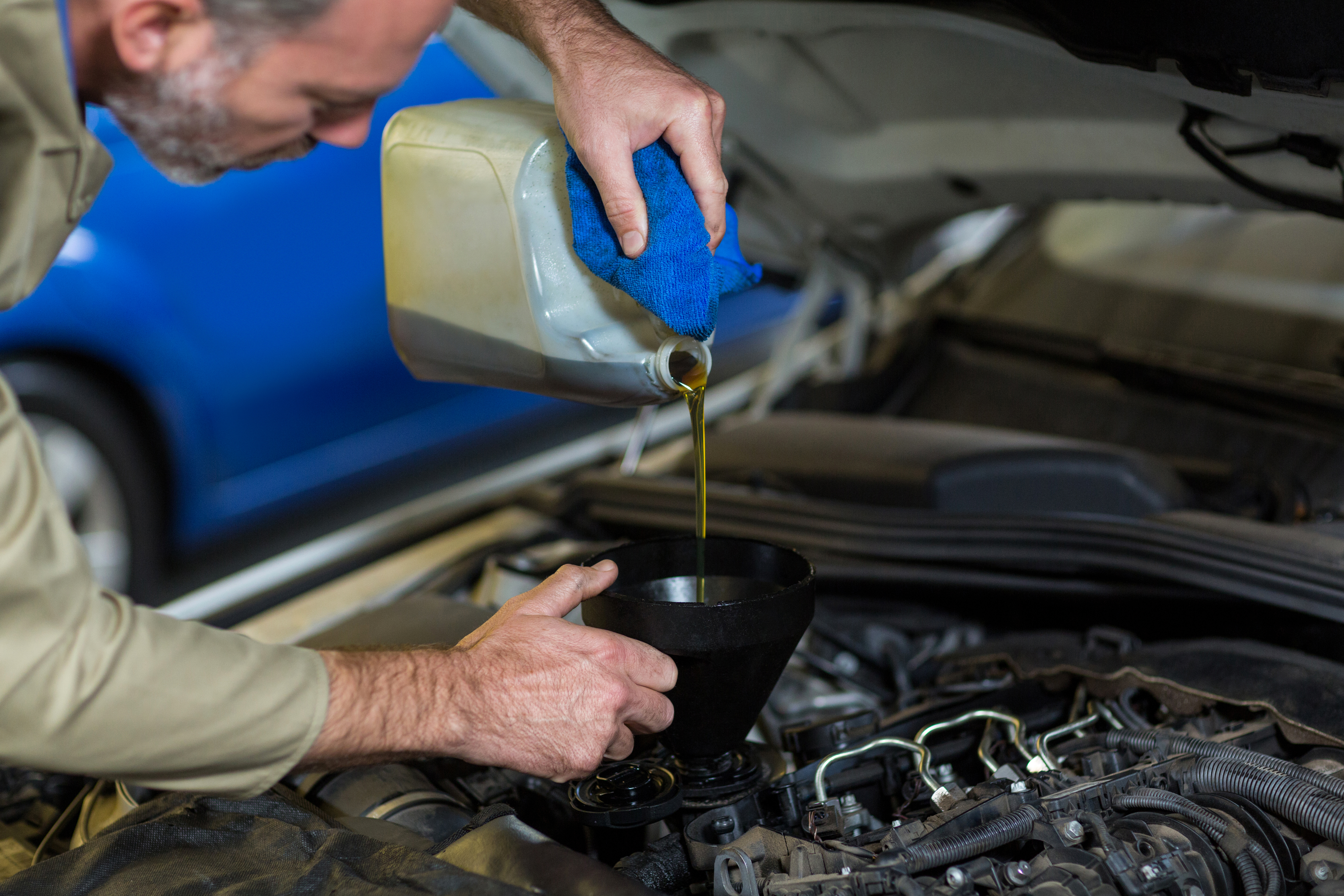
An oil change involves several key steps that contribute to the overall time. First, the old oil is drained from the engine, which usually takes a few minutes. Next, the oil filter is removed and replaced with a new one, ensuring proper sealing and filtration. Fresh oil is then poured into the engine, and the level is checked using the dipstick. Finally, the technician inspects for any leaks or issues before finishing the service.
While this process is simple for professionals, some vehicles may take longer due to larger engines, synthetic oil requirements, or additional maintenance checks. This is why understanding the time involved helps you plan your visit or DIY attempt effectively.
If I Do It at Home, How Long Will It Take?
Performing an oil change at home is possible, but it usually takes longer than a professional service. For someone with basic tools and experience, a home oil change might take 60–90 minutes, depending on the car and workspace setup. You need to gather tools like a car jack, drain pan, wrenches, and oil filter, plus safely lift the vehicle and dispose of the old oil properly.
While DIY oil changes can save money, professional service has clear advantages. Professionals can complete the job in roughly 15-20 minutes, use the correct oil type and filter, and ensure everything is done safely and efficiently. They also inspect other components during the service, helping prevent potential engine issues.
Why Timely Oil Changes Are Important
Regular oil changes keep your engine lubricated and protect critical parts from friction and overheating. Old or degraded oil can lead to reduced performance, increased fuel consumption, and even engine damage. By changing your oil at recommended intervals, you maintain smooth engine operation, improve efficiency, and extend the life of your vehicle.
Skipping oil changes or delaying them can result in expensive repairs and reduced vehicle reliability. Whether you choose to do it at home or rely on a professional, staying on schedule is essential for your car’s health.
Tips for a Faster Oil Change
- Schedule service during off-peak hours to reduce waiting time.
- Have your vehicle’s oil type and filter ready before starting.
- Dispose of old oil properly to avoid environmental hazards.
- Keep a maintenance log to track when your next oil change is due.
By following these tips, even a home oil change can become more organized, though professional service remains faster and more reliable.
Keep Your Engine Running Smoothly

Regular oil changes are essential for engine health and overall vehicle performance. Whether you do it at home or rely on a professional, timely oil changes prevent costly repairs. Fresh oil ensures proper lubrication, reduces friction, and keeps your engine running efficiently.Following the recommended schedule extends the lifespan of your car and improves fuel efficiency.Investing a little time in oil maintenance today saves you from major engine issues tomorrow.
Comments

Powered by RoundtableAn AI/DeFi-powered Enterprise Media Operating System. Learn more at Roundtable.io.© Roundtable 2026. By using this site you agree to the Terms of Use and Privacy Policy