


Jul 1, 2026 7:00 AM
Updated Jul 6, 2026 5:25 AM
Not all aftermarket bumpers are built the same, so designs that feature a high-clearance or winch-ready profile.
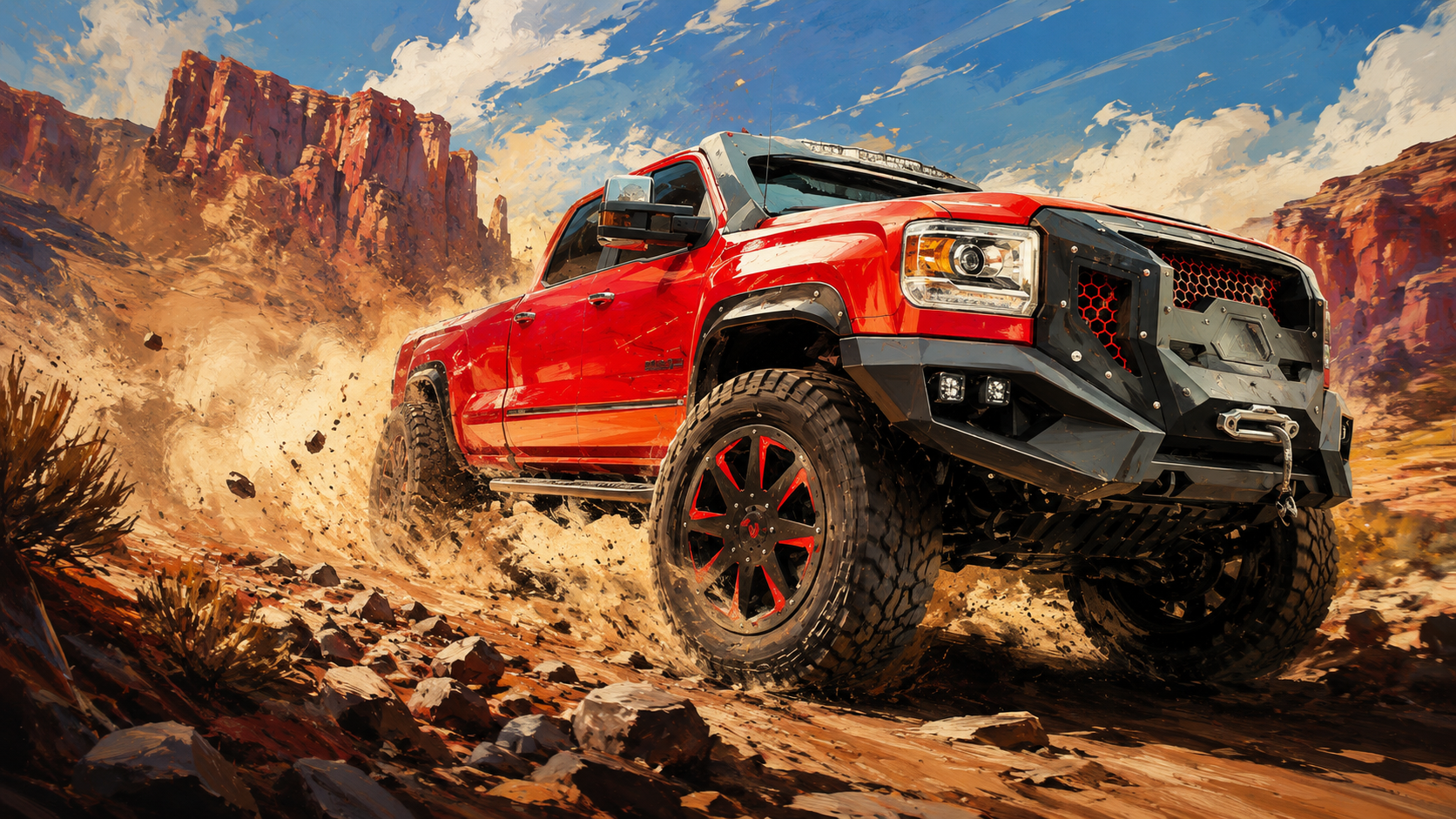
When you modify your truck for off-road use, installing a custom bumper is the first step towards better durability. However, pay attention to how this new piece of equipment impacts your approach clearance, such as the maximum angle of an incline your truck can climb. This article explains how to select and mount a bumper that preserves your truck's ability to tackle difficult terrain with complete confidence.
Understanding the Mechanics of Approach Clearance
The approach angle is defined as the maximum angle between the ground and the front tyres, limited by the lowest point of your front bumper. A factory bumper is designed for general road safety, which often means it sits quite low to satisfy pedestrian requirements. When you switch to an aftermarket off-road bumper, your goal should be to shorten the distance that the steel extends in front of your grille.
Choosing a High-Clearance Bumper Profile
Not all aftermarket bumpers are built the same, so designs that feature a high-clearance or winch-ready profile. These truck bumpers are often tapered at the ends, which provides extra room for your tyres to clear large rocks while you are turning on an uneven slope. Also, avoid full-width bumpers that extend all the way to the wheel wells if your goal is maximising your approach angle on technical trails.
The Role of Bumper Mounting Position
The way you mount your bumper can be just as vital as the design itself when it comes to maintaining your truck's off-road capability. Many aftermarket manufacturers provide adjustable mounting brackets, which allow you to shift the bumper closer to the vehicle's frame. Test these positions during the installation process to see which placement offers the best protection and clearance.
Related stories
Considering the Weight Impact on Suspension
Adding a heavy steel bumper to your truck will inevitably compress your front suspension, which lowers your vehicle's overall height and reduces your clearance. If your suspension is soft, the extra weight can cause the front end to nose-dive on inclines, making you likely to hit your bumper. You need to pair your new bumper with stiffer springs or a small lift kit to ensure your truck maintains its intended ride height.
Evaluating Bumper Overhang and Protrusions
Some bumpers come equipped with extra accessories that stick out further than the main bumper body. While these features are useful, you must consider how far they extend in front of your truck and whether they interfere with your ability to approach steep angles. A large, forward-leaning bull bar can easily become the first point of contact on a ledge, even if the bumper itself is high and tight.
Testing Clearance with Real-World Angles
Before you commit to a bumper, try to find photos that show the profile of the unit mounted on a truck identical to yours. Use geometry to estimate how your approach angle changes by measuring the distance from your front tyres to the new bumper's leading edge. Comparing these sizes to your factory setup gives you an indication of whether you are gaining or losing clearance with your choice.
Integrating Skid Plates for Protection
If you cannot achieve the perfect approach angle, adding a matching skid plate can help protect your truck during accidental contact. A high-quality steel or aluminium skid plate fills the gap between your bumper and the frame, creating a smooth surface. Even if you do touch the ground on a steep incline, a well-designed skid plate prevents your bumper from being ripped off or damaging your cooling system.
Begin Your Off-Road Bumper Setup
Ensuring your truck has adequate approach clearance is the secret to moving safely through challenging off-road environments. By focusing on a high-clearance design and proper mounting, you turn your truck into a more capable machine. Always remember that the best off-road modifications balance protection with functional geometry, so take your time to choose the right gear for your specific needs.
Comments

Powered by RoundtableAn AI/DeFi-powered Enterprise Media Operating System. Learn more at Roundtable.io.© Roundtable 2026. By using this site you agree to the Terms of Use and Privacy Policy