
Image by wirestock on Freepik


Mar 27, 2023 7:00 AM
Updated Mar 28, 2023 4:33 PM
From pandemic-driven migration trends to inflated median incomes, major cities have been swept up in an evergrowing affordability crisis.
As the market continues to heat up and housing prices skyrocket, Americans are struggling to find a place they can call home in many metropolitan areas across the United States. With demand outpacing supply and soaring property values, competition for available homes has reached unprecedented heights.
From pandemic-driven migration trends to inflated median incomes, major cities have been swept up in an evergrowing affordability crisis that’s leaving prospective homeowners out of luck, feeling stranded, and still using the Paydaysay money app in order to pay for the rental house or flat. Keep reading to learn why there are so few houses on the market throughout America today.
Housing analysts prediction
The housing market is in a state of flux, with analysts predicting that inventory will start to climb as builders scramble to finish more new homes. This trend is already beginning to show, with the United States Total Housing Inventory increasing from 850,000 units in February 2022 to 980,000 units in February 2023. This increase in inventory has been further bolstered by a significant rise in new residential construction, which reflects improving builder optimism and declining lumber costs.
However, despite this increase in inventory, the housing market remains tight due to high demand from buyers. In cities like Hartford, Conn., and Buffalo, N.Y., where there isn't much new construction taking place, inventory levels are dropping to all-time lows.
Related stories
This has caused house hunting to become an even more painful and emotionally charged process than usual for many buyers who are struggling to find available homes.
It's clear that the housing market is undergoing some major changes right now, with the increased inventory providing more options for buyers while simultaneously creating a competitive environment. It remains to be seen how these changes will affect the market over time, but it's certainly something worth keeping an eye on.
Reasons for low housing inventory
The current housing market is facing a shortage in inventory, leaving many buyers with few options. This lack of available homes can be attributed to a number of factors.
First, the pandemic has caused an increase in demand for single-family homes as people look to move out of cities and into more rural areas. This has caused home prices to rise significantly, making it difficult for potential buyers to afford the cost of purchasing a home.
Second, there is a shortage of new construction due to rising costs associated with building materials and labor. The cost of lumber alone has increased by over 80% since the start of 2020, making it difficult for builders to keep up with demand.
Third, many homeowners are choosing not to list their homes due to uncertainty surrounding the economy and job security. With so much uncertainty in the air, many homeowners are opting to stay put rather than risk selling their homes at a loss.
Finally, mortgage rates remain at historic lows, making it more attractive for homeowners to refinance their mortgages rather than sell their homes and purchase another one. This keeps existing inventory off the market while also reducing the amount of new construction being built.
Overall, these factors have contributed to low housing inventory across the United States and have made it increasingly difficult for potential buyers looking for a new home.
How the lack of available housing in Buffalo is impacting potential buyers
The housing market in Buffalo, NY, is becoming increasingly competitive as the demand for housing continues to outpace the available supply. This has resulted in higher interest rates, increased competition among potential buyers, and delayed timelines for closing on a home.
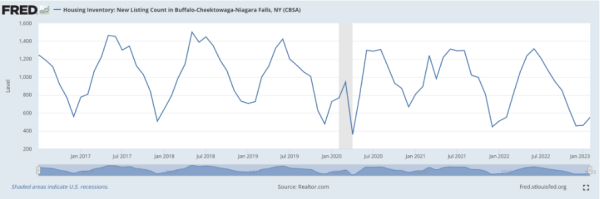
With 549 homes currently listed for sale on Zillow and a median listing price of $150,000, according to Realtor.com, it's clear that there are not enough homes available to meet the needs of potential buyers. This has led to a surge in competition among buyers who are looking to purchase a home in Buffalo. As more people compete for fewer homes, prices have been driven up, and interest rates have risen as well.
In addition to higher prices and interest rates, potential buyers are also facing longer timelines when it comes to closing on a home due to the lack of available housing. With so many people competing for so few homes, it can take much longer than usual for an offer to be accepted, and the process of closing on a home can be drawn out significantly.
The lack of available housing is having a major impact on potential buyers in Buffalo, resulting in higher interest rates, increased competition among buyers, and delayed timelines when it comes to closing on a home.

To conclude, it is clear that the lack of housing inventory in many U.S. metro areas has become an issue for prospective buyers all over the country. This is particularly evident in Buffalo, where potential homebuyers are hard-pressed to find enough housing options that meet their needs and budget requirements. With rising demand for housing, real estate experts predict that this trend will continue unless drastic measures are implemented to address the issue.
Comments

Powered by RoundtableAn AI/DeFi-powered Enterprise Media Operating System. Learn more at Roundtable.io.© Roundtable 2026. By using this site you agree to the Terms of Use and Privacy Policy