


Apr 29, 2026 7:00 AM
Updated May 2, 2026 7:41 PM
It was amazing to see how a private consultation turned into an integral element of the presidency, and it is still relevant in modern times.
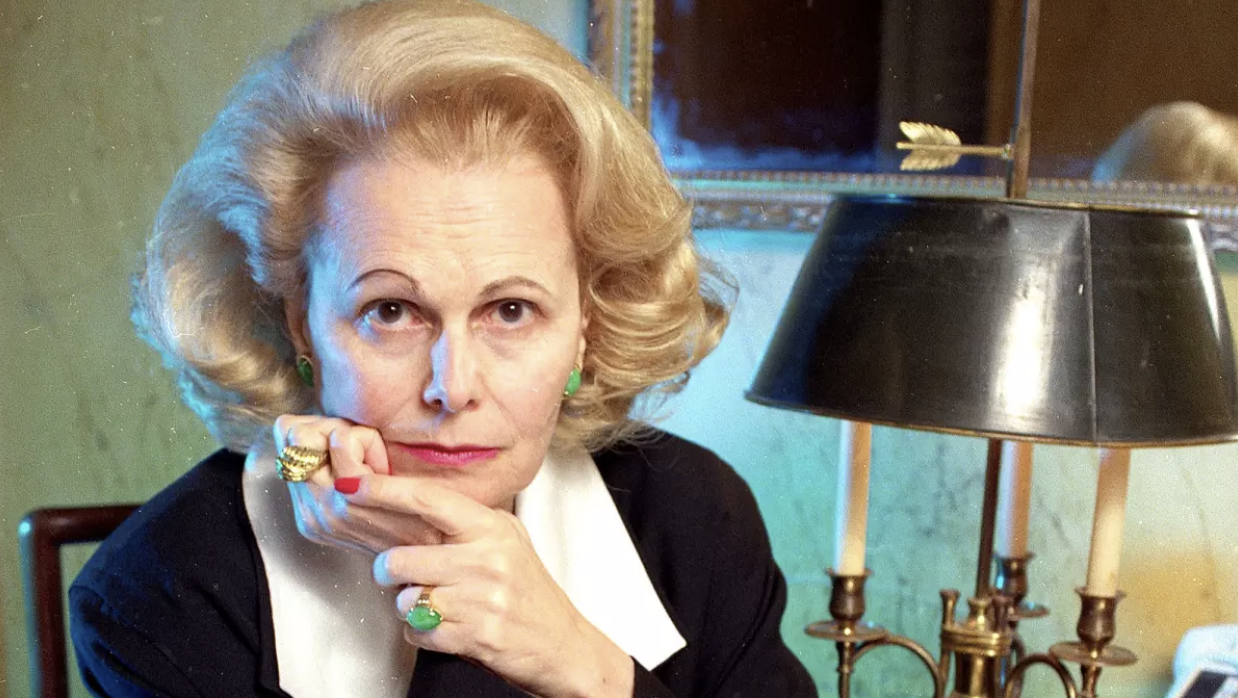
Throughout much of America’s political past, the narrative has been that significant choices emerge from sober analyses, institutional balances, professional guidance, and the entire constitutional apparatus. The tale of Joan Quigley, Nancy Reagan’s astrologer, adds an interesting element to this tidy narrative. Although she was not appointed to an official position, underwent no Senate confirmation process, and appeared in none of the official organizational charts of the White House, her counsel allegedly determined the timing of presidential travels, speeches, diplomatic meetings, and public appearances for many years.
Astrology, Anxiety, and the Private Search for Control
It was not uncommon in America for people to consult private spiritual advisers. However, what made Reagan's case unique was how it all happened. It was amazing to see how a private consultation turned into an integral element of the presidency, and it is still relevant in modern times.
Nowadays, people turn to online platforms such as the Nebula website to connect with specialists in astrology, tarot, numerology, and dream interpretation. And, they can also have one-to-one chats with psychics for emotional and intellectual support. Back then, people relied on private services from professional astrologers, tarot readers, and psychics. Nonetheless, the situation with Nancy Reagan went beyond this point, as she relied excessively on Joan Quigley.
The relationship grew closer after President Reagan was shot by John Hinckley Jr. on March 30, 1981. After Nancy Reagan became concerned about how close her husband had come to death, she sought Quigley’s advice regarding safety while traveling and attending official functions. According to the archivists at the Hoover Institution who are responsible for Quigley’s papers, the former first lady consulted her for seven consecutive years. Even seemingly trivial matters such as debates, conferences, and summit talks with the Soviet leader, Mikhail Gorbachev, were influenced by her advice.
Related stories
From Private Comfort to Public Scheduling
Joan Quigley was not just any ordinary fortune teller that people had never heard of before. Instead, she was described as a socialite from San Francisco, a Vassar alumnі, as well as a published astrologer with considerable experience in television and radio. According to Hoover, Merv Griffin was the first to introduce Joan Quigley to First Lady Nancy Reagan in the 1970s, when her husband, Ronald Reagan, was California's governor.
This was kept very quiet at the time, enabling Quigley to exert more influence than many anticipated. In fact, according to Time magazine in 1988, Quigley could even contact Nancy Reagan on occasion, who would pass along any advice on when to proceed with caution but not make any actual decisions for the Reagans.
It seemed reassuring enough, but in truth, things were a lot more complex than that. Timing in government is never ambivalent; determining when a president should travel, meet, speak, remain silent, etc., can determine diplomatic, media, bureaucratic, and even national security strategy. A person who controls timing may not write policy, but she can still influence how power moves.
Donald Regan, the Memoir, and the Explosion of the Secret
The story broke open after Donald Regan, Ronald Reagan’s former Treasury Secretary, who subsequently became Chief of Staff in 1985, made an appearance. As he was exiting the Reagan administration amid the Iran-Contra controversy and his relations with Nancy were somewhat frosty at the time, he published his autobiography, “For the Record,” in which he made public the astrology arrangement. According to The New Yorker, this memoir attracted much interest precisely for that reason.
Regan’s allegations seemed outlandish; however, they were difficult to ignore, since they came from a wounded insider. The Los Angeles Times reported that Regan’s bitterness toward Nancy Reagan was palpable, and also presented Regan’s vision of a White House preoccupied with its image, scriptwriting, and presidential performance.
This does not mean the astrology affair is untrue; rather, it means the political implications are being amplified by it. The entire scandal became confirmation of the broader suspicion about the Reagan administration that everything that appeared to be an image of efficiency and transparency on the surface was a façade hiding weak accountability practices beneath the surface. As it happened, concerns over Reagan’s presidency already existed, including those regarding leadership issues and the Iran-Contra scandal. The idea that an unelected astrologer had influence over scheduling only deepened concerns about who, exactly, was steering the machinery.
Why the Quigley Story Still Matters
Later on, Nancy Reagan would dismiss the idea that astrology really influenced decision-making. And defenders of the Reagans argued that Quigley was responsible for making schedules and had no role in governing. There’s some truth in all that, but it’s an oversimplification of the job of the president.
Quigley’s influence also exposes the human nature beneath the veneer of marble in Washington, D.C. Nancy Reagan was afraid. Her husband had almost died in front of the world. Standard protection did not afford her the assurance she desired, so she turned to something else. It is not the fact that she sought solace but rather that it entered the boundaries of public administration.
There was once a way of dismissing such things as mere eccentricity. But the lesson to learn from this is much more complex. The democratic system is susceptible not only to corruption and authoritarianism but also to manipulation behind the scenes, away from the scrutiny of the general public. Joan Quigley did not gain any political power through any official position but through someone’s trust, secrecy, proximity, and fear. In Washington, that combination can be more influential than an office door with a nameplate on it.
Comments

Powered by RoundtableAn AI/DeFi-powered Enterprise Media Operating System. Learn more at Roundtable.io.© Roundtable 2026. By using this site you agree to the Terms of Use and Privacy Policy