


May 30, 2025 7:00 AM
Updated Jun 4, 2025 1:47 AM
In a multi-car crash, blaming a single driver doesn’t always reflect what really happened.
Traffic in Miami can get dense, especially during peak hours and stormy weather. With highways like I-95 and the Palmetto Expressway bustling with vehicles at all hours, the risk of a multi-car pileup becomes all too real. These kinds of accidents don’t just involve crumpled metal and traffic backups—they also trigger a legal nightmare for everyone involved. Figuring out who holds responsibility in these tangled scenarios often requires more than just exchanging insurance details. It demands a deeper understanding of state laws, fault analysis, and the unique conditions that led to the crash.
1. Understanding the Chain Reaction in a Pileup
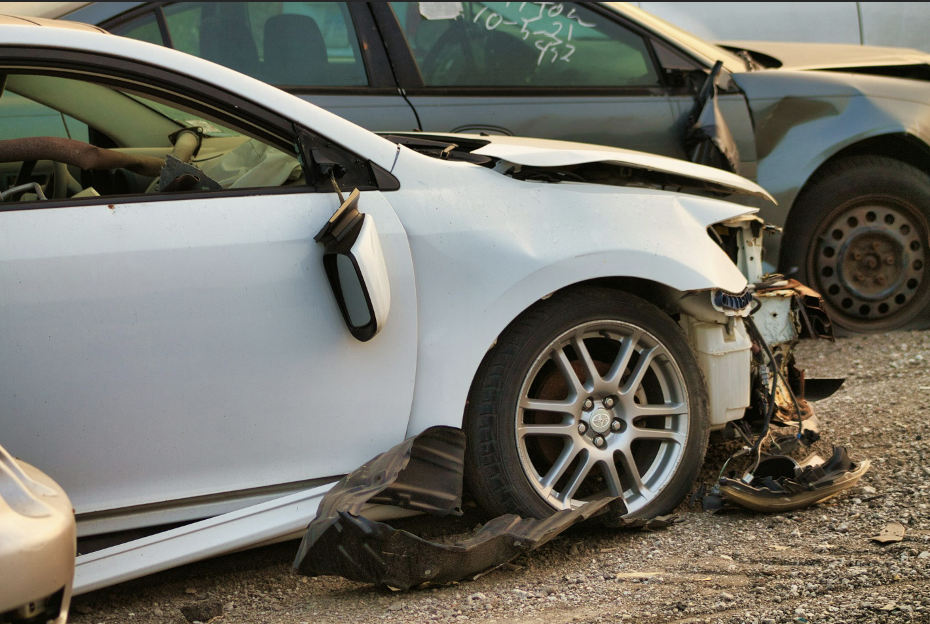
When three or more vehicles crash one after another, the situation qualifies as a multi-car pileup. These incidents usually begin with a sudden stop or collision at the front of a traffic line, quickly triggering a domino effect. The causes vary—slippery roads, distracted driving, tailgating, or speeding are all common culprits. In seconds, drivers in the middle find themselves both victims and possible contributors. Everyone assumes the last car is at fault, but liability rarely works that cleanly. Unraveling the events leading to the pileup often requires examining every driver’s behavior just before the crash. That’s what makes these cases complex.
2. Why Determining Fault Isn’t Always Straightforward
Related stories
In a multi-car crash, blaming a single driver doesn’t always reflect what really happened. Police reports, dashcam footage, and witness statements must work together to create a full picture. Even weather or road conditions could influence how liability gets assigned. Take Miami, for example—a city with tropical downpours that can quickly lead to hydroplaning. Add aggressive traffic patterns and frequent construction zones, and the scene becomes ripe for confusion. That’s why someone involved in a chain-reaction crash in this area should consider speaking with a car accident lawyer Miami residents trust. A local expert understands both traffic trends and legal intricacies specific to the region.
3. The Role of Comparative Negligence in Multi-Car Crashes
Many states, including Florida, use a comparative negligence rule when handling accident claims. This means more than one driver can share responsibility for a pileup. For example, if one driver stopped short without cause and another followed too closely, both could absorb a percentage of the blame. The court or insurance adjuster may decide someone is 70% at fault, while another is 30%. That ratio determines how much each driver owes or receives. In pileups involving five or more cars, it’s not uncommon to see multiple parties assigned partial liability. Knowing how comparative negligence applies can help you prepare for potential outcomes.
4. Insurance Company Tactics You Should Expect
After a multi-car accident, don’t expect the insurance process to run smoothly. Insurance companies often deny full responsibility on behalf of their clients, dragging out claims or trying to shift blame. Some may pressure you into accepting a lower settlement just to close the case quickly. They often bank on confusion, knowing that a complex pileup creates uncertainty. Adjusters will comb through statements and evidence, looking for ways to reduce what they owe. This is where having thorough documentation—photos, medical records, and witness information—makes a real difference. Understanding these tactics arms you with leverage and helps protect your financial recovery.
5. Why Police Reports Matter—but Aren’t Always Final
Police officers arriving at the scene of a pileup have to sort through chaos quickly. They document vehicle positions, driver statements, and any visible road conditions. While their reports hold weight, they’re not always definitive. Officers might miss key details or rely on incomplete information, especially when dealing with shaken drivers or uncooperative witnesses. Still, these reports often influence how insurers and courts view fault. You should always request a copy of the police report, review it carefully, and correct any errors as soon as possible. While it’s a critical starting point, it’s not the final word on liability.
6. The Importance of Witness Statements and Evidence Collection
When a multi-car accident unfolds, every second counts—and so does every detail. Witnesses often provide perspectives that drivers involved in the crash can’t. These individuals might have seen who was speeding, using their phone, or braking erratically just before the first impact. Collecting their statements can clarify a confusing timeline. Photos, skid marks, vehicle damage, and debris locations also help reconstruct the sequence of events. The more evidence you gather, the better your chances of proving your position. Even dashcam footage from other vehicles or nearby businesses can become critical. Solid evidence helps support your claim and reduces room for speculation.
7. Medical Documentation and Why It Strengthens Your Claim
After a pileup, adrenaline can mask injuries, making you think you’re fine when you’re not. Delaying medical care not only jeopardizes your health, but also weakens your insurance claim. Thorough medical documentation acts as a bridge between the crash and your injuries. This includes ER visits, physical therapy records, prescriptions, and doctor’s notes. Without it, insurance companies may argue that your injuries didn’t result from the accident or that they’re less serious than you claim. Consistent follow-ups also show that you’re taking your recovery seriously. The stronger your medical file, the harder it becomes for insurers to downplay your suffering.
8. The Challenge of Proving Causation in Complex Collisions
In multi-vehicle accidents, proving causation gets tricky. It’s not just about showing who hit whom—it’s about proving who set off the chain of events and why. Did a driver slam on the brakes for no reason? Was someone speeding in heavy rain? Did a car suddenly swerve to avoid a hazard? Legal teams and accident reconstruction experts often need to analyze the smallest details to determine the true origin point. In cases with commercial vehicles, it gets even more complex due to company liability, truck logs, and federal regulations. Proving causation clearly and confidently is key to holding the right parties accountable.

Multi-car pileups bring a storm of confusion, chaos, and stress. With several drivers, conflicting accounts, and complex legal rules, assigning fault becomes a layered challenge. But knowing how fault gets determined, what evidence to gather, and how to work with (or push back against) insurance companies gives you an edge. Whether you’re facing mounting medical bills or trying to repair your car, understanding the ins and outs of these accidents helps you regain control. If you ever find yourself involved in one, don’t leave your future to guesswork. Equip yourself with the facts, and take smart steps forward.
Comments

Powered by RoundtableAn AI/DeFi-powered Enterprise Media Operating System. Learn more at Roundtable.io.© Roundtable 2026. By using this site you agree to the Terms of Use and Privacy Policy