
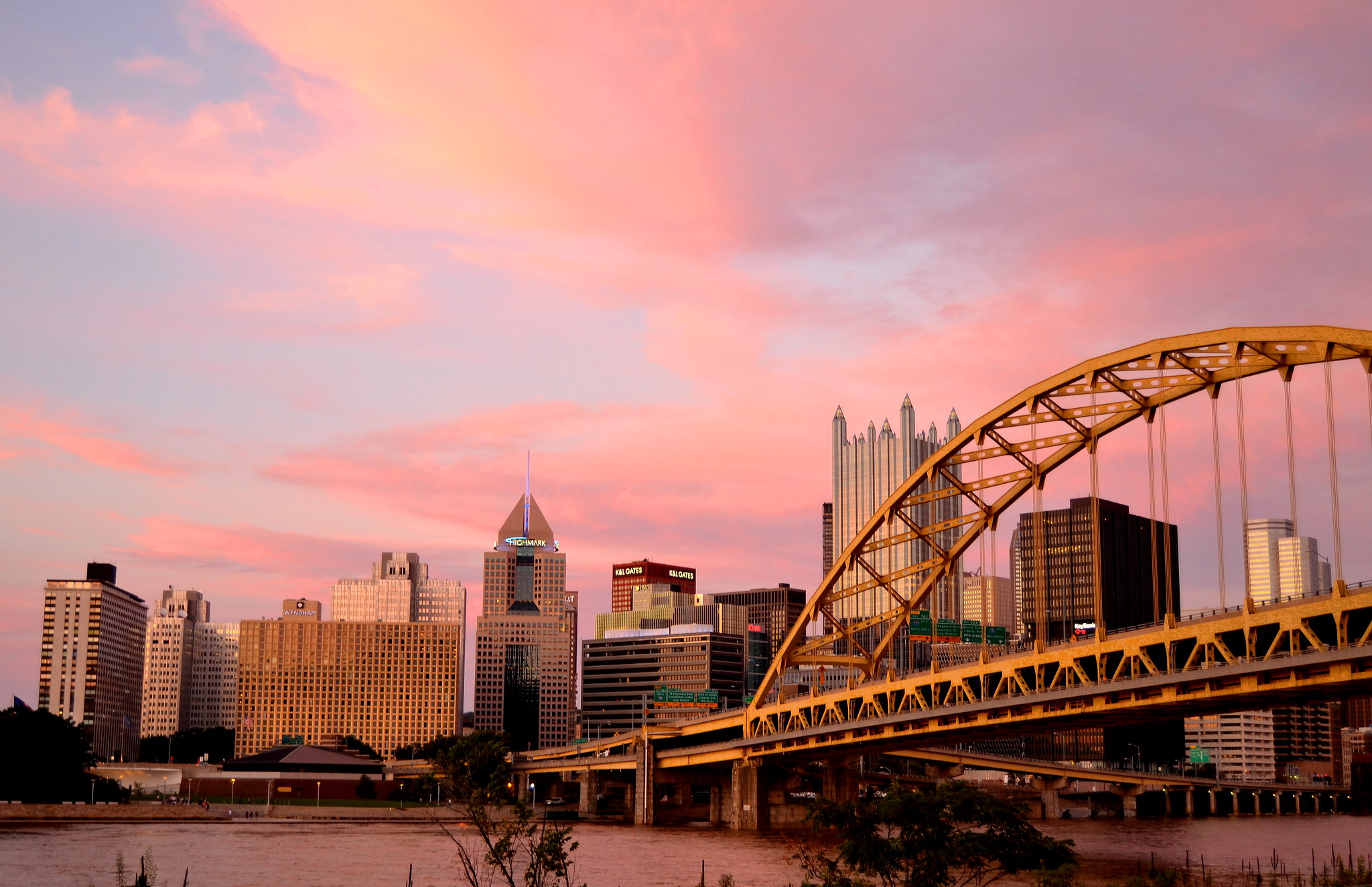


Moving to Pittsburgh
May 5, 2024 7:00 AM
Updated May 8, 2024 2:26 AM
Housing prices in Pittsburgh are notably lower than the national average, with the median home price hovering around $143,000 to $225,000
Pittsburgh, often dubbed "The Steel City," offers a unique blend of affordability, cultural richness, and educational opportunities that make it an attractive place for many to consider living. The city stands out particularly for its cost-effective living standards.
Housing prices in Pittsburgh are notably lower than the national average, with the median home price hovering around $143,000 to $225,000, significantly less than the broader U.S. market. This affordability extends to rent, with costs substantially lower compared to major cities like New York or Chicago, offering a considerable economic advantage for residents.
Beyond its economic benefits, Pittsburgh is lauded for its vibrant cultural scene and educational prowess. The city is teeming with artistic and musical venues, such as the Heinz Hall for the Performing Arts and the Benedum Center, making it a haven for arts enthusiasts.
It's also home to several prestigious museums including the Andy Warhol Museum and the Carnegie Museum of Art, which enrich the cultural fabric of the city. For those considering educational opportunities, Pittsburgh does not disappoint.
Related stories
The presence of highly-regarded institutions like Carnegie Mellon University and the University of Pittsburgh, along with a strong network of public schools, underscores the city's commitment to educational excellence. These aspects, combined with a relatively lower cost of living as detailed by the Cost of Living Index, highlight Pittsburgh as a city that balances affordability with a high quality of life.
Cons of Living in Pittsburgh
When considering the cons of living in Pittsburgh, it's important to note a few significant challenges that prospective residents might face. Firstly, the city's infrastructure, much of which dates back to the early 20th century, often results in problematic road conditions and ongoing construction, which can complicate daily commutes and overall transportation within the city.
Furthermore, traffic congestion is a notable issue, with Pittsburgh ranking 35th nationally for congested traffic, leading to significant delays, especially during rush hours.
Crime and safety are also major concerns in Pittsburgh. The city has a notably high crime rate compared to the national average, with a significant prevalence of both violent and property crimes. Residents have a relatively high likelihood of becoming crime victims, which can be a deterrent for those considering moving to the area.
Additionally, Pittsburgh's industrial history has left a legacy of pollution, particularly affecting air quality. The city ranks as one of the most polluted in the U.S., which poses health risks, especially for individuals with respiratory conditions like asthma.
These factors combined paint a picture of Pittsburgh that, while rich in history and cultural offerings, presents several significant lifestyle and safety challenges that should be carefully considered.
Housing and Real Estate
The Pittsburgh housing market in 2024 reflects a competitive environment with moderate fluctuations in home prices and sales dynamics. As of early 2024, the median home price in Pittsburgh was reported around $250,000, with some areas experiencing increases in home prices due to limited housing inventory and renewed buyer competition.
Notably, the Downtown Pittsburgh area observed homes selling at and sometimes below the list price, indicating a balanced dynamic between buyers and sellers in that specific part of the city.
The real estate market's performance is also influenced by broader economic factors such as interest rates, which have impacted buyer affordability and market entry. Despite these challenges, Pittsburgh continues to offer a range of housing options across its diverse neighborhoods, with varying prices that cater to different buyer needs from affordable areas like Sheraden to more upscale areas like Point Breeze.
The market is characterized by a mix of quick sales in sought-after locations and slower movements in others, reflecting the nuanced nature of real estate trends in the city. A moving company in Pittsburgh has stated that the relocation trend is moving a lot and this is an indicator for the housing and real estate to be dynamic.
Education Opportunities
Pittsburgh offers a diverse range of educational opportunities across various levels and disciplines, reflecting its commitment to fostering an environment of learning and growth. The University of Pittsburgh School of Education, for instance, provides a comprehensive and supportive learning environment aimed at exceeding educational goals.
With a wide array of programs spanning from teacher education to applied psychology and human development, the university emphasizes innovation, equity, justice, and inclusion in its curriculum. This makes it a formidable option for prospective students aiming for high career and academic achievements.
Beyond traditional academic settings, Pittsburgh also thrives in offering unique learning experiences through various summer camps and internship programs. For example, Kidsburgh lists nearly 70 different camps in the region, catering to interests ranging from science and technology to arts and sports, ensuring that younger students have engaging, hands-on learning opportunities during the summer months.
Additionally, programs like the Pittsburgh CLO's Internship Program provide practical experience in fields such as musical theater and arts management, demonstrating the city's rich educational landscape that caters to both conventional and creative career paths.
These initiatives underscore Pittsburgh's commitment to providing robust educational resources that support a wide range of academic and professional aspirations.
Safety and Crime
In 2024, Pittsburgh's crime landscape presents a complex picture, where the city's crime rates hover near national averages with notable disparities in safety across different neighborhoods. The overall crime rate in Pittsburgh is significant, with a 1 in 28 chance of being a victim of either property or violent crime.
The city records higher incidents of property crimes compared to violent crimes, with larceny-theft being the most common offense. It's worth noting that while Pittsburgh's crime rates are higher than many U.S. cities, they are comparable to other cities of similar size, suggesting a typical urban crime dynamic.
Safety varies widely by neighborhood, with areas like Squirrel Hill and Swisshelm Park noted for particularly low crime rates, making them popular choices for residents valuing safety. These neighborhoods have crime rates substantially below the national average, contributing to their reputation as some of the safest in Pittsburgh.
However, incidents like theft and property crimes are still the most prevalent crimes citywide, indicating that while some areas are very safe, the city as a whole deals with challenges typical of metropolitan areas. Overall, Pittsburgh's diverse neighborhoods offer a range of experiences in terms of safety, reflecting broader social and economic factors.
Environmental Issues
Pittsburgh is actively addressing its environmental challenges, particularly concerning air and water quality, which historically have been significant issues due to its industrial past. The city's air quality, although improved over the past few years, still ranks poorly on a national scale.
This is a concern especially since pollutants like particulate matter and ozone continue to affect public health. Efforts to improve air quality are ongoing, supported by local organizations and research aimed at reducing emissions and moving towards more sustainable industrial practices.
Water quality is another critical area of focus. Pittsburgh's rivers have been impacted by pollutants and runoff, affecting wildlife and recreational uses. Efforts to address these issues include improving infrastructure to reduce sewage overflows and promoting green infrastructure to manage stormwater more effectively.
Local initiatives also aim to address lead levels in drinking water, ensuring safer consumption for its residents. These environmental initiatives are part of broader strategies that include community engagement and education to foster a more environmentally responsible city.
Taxes and Cost of Living
Pittsburgh presents a blend of affordability and moderate living expenses, making it an attractive location for both families and individuals. The overall cost of living in Pittsburgh is slightly below the national average.
Housing costs are notably affordable, with median home values around $213,000, which is considerably lower compared to other major cities. Renting also remains relatively economical, with average rents for a one-bedroom apartment in less central neighborhoods priced around $952 per month.
When it comes to taxes, Pittsburgh benefits from Pennsylvania's relatively low tax burden. The state income tax rate is 3.07%, which is lower than many other states, and Pittsburgh does not levy additional income taxes on its residents.

The sales tax rate in the city stands at 7%, inclusive of state and local components, and necessities like clothing and unprepared food are exempt, which further eases the financial load for its residents. However, utility costs are slightly above the national average, which can be attributed to the region's climate, affecting heating and cooling expenses.
Comments

Powered by RoundtableAn AI/DeFi-powered Enterprise Media Operating System. Learn more at Roundtable.io.© Roundtable 2026. By using this site you agree to the Terms of Use and Privacy Policy