


Aug 1, 2026 7:00 AM
Updated Aug 4, 2026 11:46 PM
One of the biggest dangers during rainfall is the loss of traction between a vehicle's tires and the road surface.
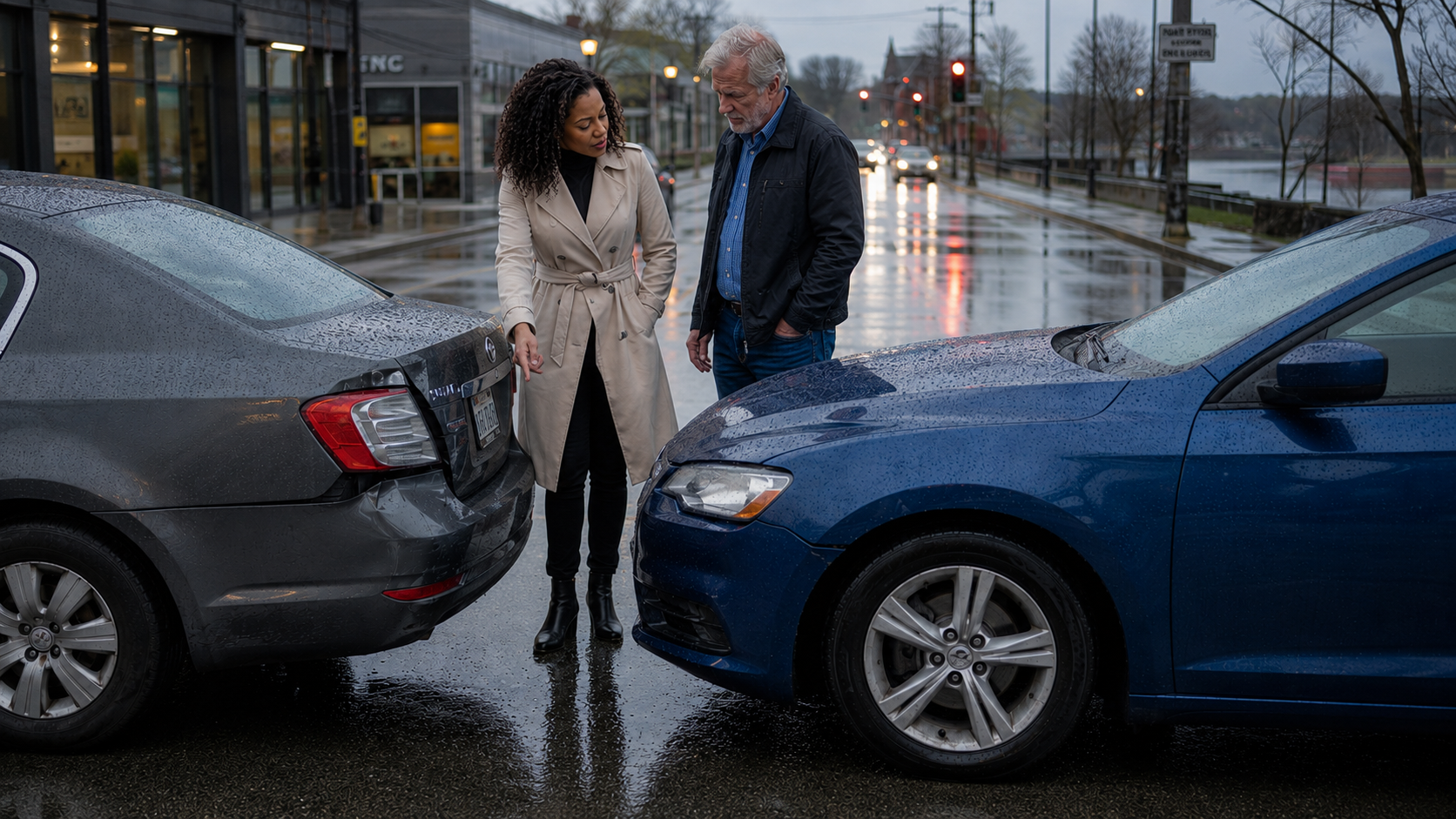
Rainy weather changes driving conditions almost instantly, reducing tire traction, limiting visibility, and increasing stopping distances. Although most drivers recognize these hazards, many continue driving at normal speeds or fail to adjust their behavior, leading to thousands of preventable collisions every year. Understanding how catastrophic injury lawyers evaluate these accidents highlights why safe driving decisions are essential whenever roads become wet.
Wet Roads Reduce Vehicle Control
One of the biggest dangers during rainfall is the loss of traction between a vehicle's tires and the road surface. Even a light drizzle can mix with oil, dirt, and other debris already on the pavement, creating a slippery layer that reduces grip before heavier rain washes contaminants away. Drivers who fail to recognize this early hazard often underestimate how much longer it takes to stop or safely navigate turns.
Another dangerous situation is hydroplaning, which happens when water builds up faster than tires can spread it out. The tires don't stay on the road; instead, they float on top of the water, making it impossible for the driver to steer or stop. Maintaining appropriate tire pressure, replacing worn tires, and reducing speed significantly lower the likelihood of hydroplaning.
When water pools on the road and hides potholes, uneven pavement, or broken road markings, the situation can get even more risky. When drivers come across these hidden dangers, they may react quickly, which raises the risk of losing control or hitting another car. The risks of these things happening are lower when you stay alert and don't change lanes when you don't need to.
Related stories
Reduced Visibility Makes Quick Decisions More Difficult
Rain affects more than just the road surface because it also limits how well drivers can see their surroundings. Heavy rainfall, windshield spray from large vehicles, fogged windows, and poor lighting all reduce visibility, making it harder to recognize hazards in time to react safely. Accidents are much more likely to happen when drivers can't clearly see traffic lights, pedestrians, or slowing cars in front of them.
When it's wet, following other cars too closely is especially dangerous. Longer stopping distances mean drivers need additional space to brake safely without striking the vehicle in front of them. Increasing the space between cars in front of you gives drivers more time to react calmly instead of having to quickly steer or brake.
Keeping your car in good shape can also help you see better during storms. Windshield wipers, headlights, defrosters, and clean windows all improve a driver's ability to see clearly when weather conditions deteriorate. If you do regular maintenance on your equipment before it rains, it won't break down when you need it the most.
Safe Driving Habits Prevent Many Serious Injuries
A lot of accidents happen in the rain because cars don't change their speed to match the changing road conditions. Speed limits are set for when conditions are good, but when roads are wet or visibility is low, it's often safer to drive well below the stated limit. Slowing down gives you more time to react and helps you keep better control of your car.
During bad weather, it's just as important to stay focused and avoid distractions. When every second counts, looking at a phone, adjusting a navigation system, or getting sidetracked by other people takes valuable attention away from the road. Focusing on the road ahead of time helps drivers spot potential problems before they become emergencies.
Unfortunately, some wet-road accidents still result in severe injuries despite a driver's best efforts to remain safe. Individuals suffering life-changing injuries may choose to consult Atlanta personal injury attorneys to better understand their legal rights when another driver's negligence contributed to the crash. Catastrophic injury lawyers often evaluate evidence such as weather conditions, vehicle speed, driver behavior, and roadway circumstances to determine how liability should be assessed after a serious collision.
Conclusion
When roads are wet and rainy, it's dangerous to drive, but many accidents can be avoided by being careful and keeping your car in good shape. During storms, it's safer to drive by slowing down, increasing the space between you and the car in front of you, keeping your eyes open, and paying attention behind the wheel. These safety measures not only keep drivers and passengers safe, but they also help lower the number of serious accidents that happen every year.
Comments

Powered by RoundtableAn AI/DeFi-powered Enterprise Media Operating System. Learn more at Roundtable.io.© Roundtable 2026. By using this site you agree to the Terms of Use and Privacy Policy