
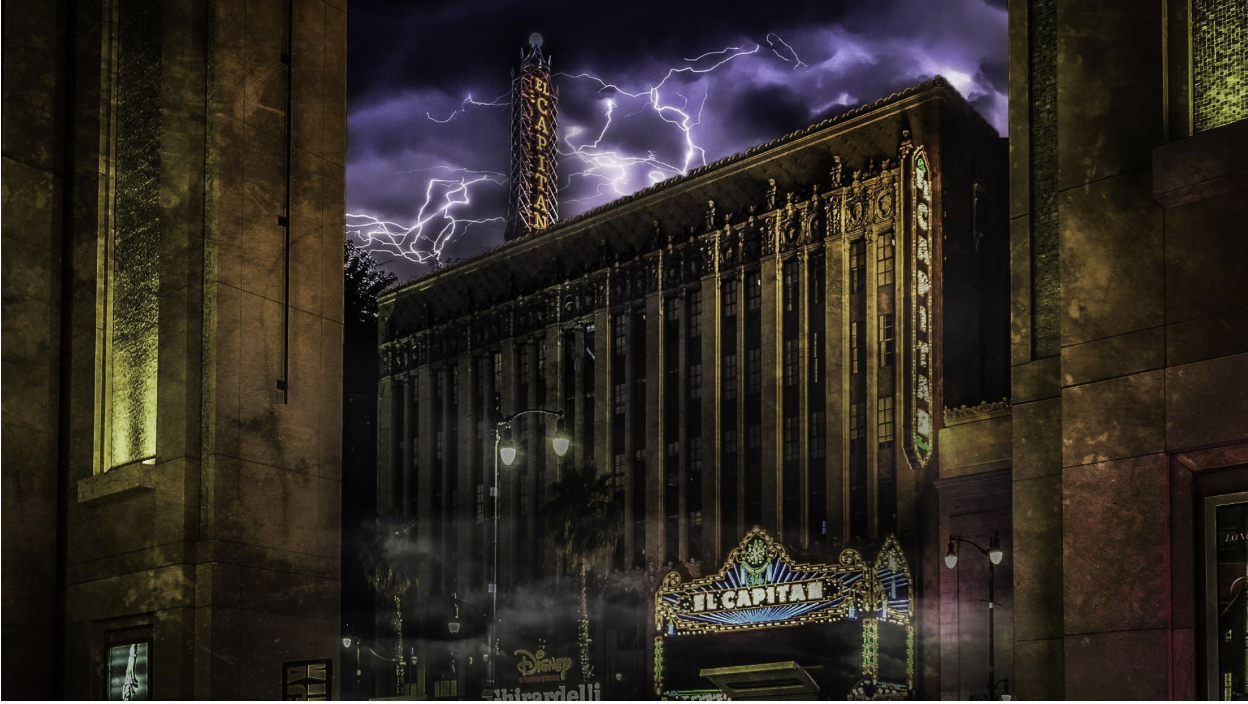
Los Angeles – Copyright US Ghost Adventures


Jun 24, 2026 7:00 AM
Updated Jun 29, 2026 3:44 PM
Cities are more than buildings, landmarks, and infrastructure. They are collections of human stories.
Every city has two histories: the one printed in brochures and textbooks and the one carried by the people who lived and died for it. Public storytelling bridges the gap between the two. Whether through walking tours, oral histories, community art projects, or historical interpretation, storytelling helps cities preserve memory, confront injustice, and celebrate the people whose contributions are too often overlooked.
Los Angeles
For first-time visitors to Los Angeles, it’s easy to become captivated by the city’s iconic attractions. The Hollywood Sign, the Walk of Fame, luxury boutiques, and celebrity culture project an image of glamour and endless opportunity. Yet beneath the bright lights lies a more complicated story filled with struggle, perseverance, and countless voices that rarely make it into the spotlight.
Some of the city’s most powerful stories emerge after dark, when historic walking tours and community-led storytelling projects explore the lesser-known side of Los Angeles. Along Hollywood Boulevard and throughout downtown, visitors learn not only about movie stars but also about labor organizers, immigrants, artists, and activists who helped shape the city. They hear stories of dreamers who arrived seeking opportunity and encountered hardship, discrimination, and exploitation.
The value of public storytelling isn’t merely entertainment. It helps challenge simplified narratives about success and progress. It reminds us that cities are built not only by the famous but also by ordinary people whose work often goes unrecognized.
Related stories
Los Angeles has long been a city of reinvention. Public storytelling gives us a chance to understand who paid the price for that reinvention, who benefited from it, and who continues fighting to make the city more equitable today. By preserving these stories, we create a fuller and more honest picture of what Los Angeles truly is.
Williamsburg
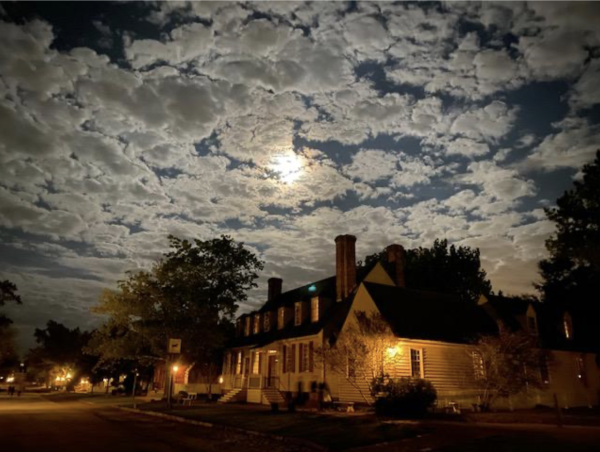
Public storytelling can also serve as a form of historical accountability. In Williamsburg, Virginia, tours such as the Black History Experience by Colonial Ghosts help illuminate stories that were historically marginalized or erased. Colonial Williamsburg is often presented as the birthplace of American democracy, but democracy existed alongside slavery, exploitation, and profound inequality.
By focusing on the experiences of enslaved Africans and African Americans, these storytelling initiatives broaden our understanding of the colonial era. Visitors encounter the realities of forced labor, family separation, resistance, and resilience. They learn about the people whose labor built the wealth and institutions celebrated in traditional historical narratives.
Importantly, these stories are not simply about suffering. They are also about endurance, community, cultural preservation, and the pursuit of freedom in the face of extraordinary obstacles.
Public storytelling creates opportunities for difficult but necessary conversations. It allows communities to acknowledge painful chapters of yesteryear while honoring the people who survived them. As cities across America grapple with how history is remembered, Williamsburg demonstrates that understanding the past requires listening to voices that were too often excluded from it.
Annapolis
Historic cities often contain stories hidden in plain sight. In Annapolis, Maryland, the picturesque waterfront and colonial architecture attract thousands of visitors each year. Yet beneath the surface lies a history shaped by sailors, immigrants, merchants, workers, and people whose lives rarely appear in official monuments.
Walking tours and local storytelling projects reveal these often overlooked narratives. They uncover stories of maritime labor, economic inequality, political conflict, and the communities that helped build the city. What may appear to be a simple historic district becomes a living archive of human experiences spanning generations.
The popularity of haunted history tours in Annapolis points to a broader truth: People are hungry for stories that reveal what happened behind closed doors and beyond official records. The ghost stories themselves often function as vehicles for preserving memory. They keep alive stories of tragedy, injustice, betrayal, and resilience that might otherwise be forgotten.
Public storytelling encourages curiosity about places. It helps residents and visitors alike see familiar streets through a different lens. Most importantly, it reminds us that history belongs to everyone, not just political leaders or wealthy landowners.
Make sure to join the official Annapolis Ghost Tour by US Ghost Adventures. This top-rated ghost tour in Annapolis, a local favorite, is an awesome way to explore the city’s hidden side.
Baltimore
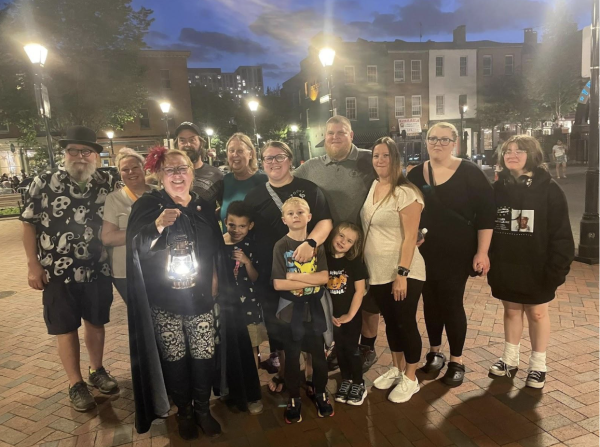
Baltimore’s history demonstrates why storytelling is essential to understanding how cities evolve. For generations, Baltimore served as a major center of industry, shipping, commerce, and immigration. It became a place where opportunity and exploitation often existed side by side. Wealth flowed through its harbor while pollution, labor struggles, segregation, and inequality affected many of its residents.
Community historians, neighborhood organizations, artists, local tour guides, and educators have increasingly used storytelling to preserve these complex histories. Through tours, exhibits, public art, and oral history projects, Baltimore residents are reclaiming narratives that might otherwise disappear.
Stories about the harbor are not simply tales of commerce. They are stories about dockworkers, immigrant families, Black communities fighting for civil rights, environmental advocates, and grassroots organizers working to improve their neighborhoods. They reveal how ordinary people shaped the city through collective action and perseverance.
Public storytelling also creates connections across generations. It allows younger residents to understand how earlier struggles influenced the opportunities and challenges they face today. In a city often defined by outside perceptions, storytelling gives Baltimore the power to tell its own story in its own voice.
Storytelling Preserves a City’s History
Cities are more than buildings, landmarks, and infrastructure. They are collections of human stories. Public storytelling helps preserve those stories, amplify silenced voices, and foster deeper connections between communities and their histories.
Los Angeles is the City of Angels, but many of those angels were martyrs. Their stories should not be forgotten. If we want more inclusive, informed, and compassionate cities, we need more spaces where people can share, hear, and learn from one another’s experiences. Let’s keep telling the stories—the real history—of our nation’s cities.
Comments

Powered by RoundtableAn AI/DeFi-powered Enterprise Media Operating System. Learn more at Roundtable.io.© Roundtable 2026. By using this site you agree to the Terms of Use and Privacy Policy