


Jan 26, 2026 8:00 AM
Updated Jan 31, 2026 2:25 AM
Dolphin Radar Instagram Unfollowers Tracker addresses this gap by offering a structured way to monitor follower changes over time.
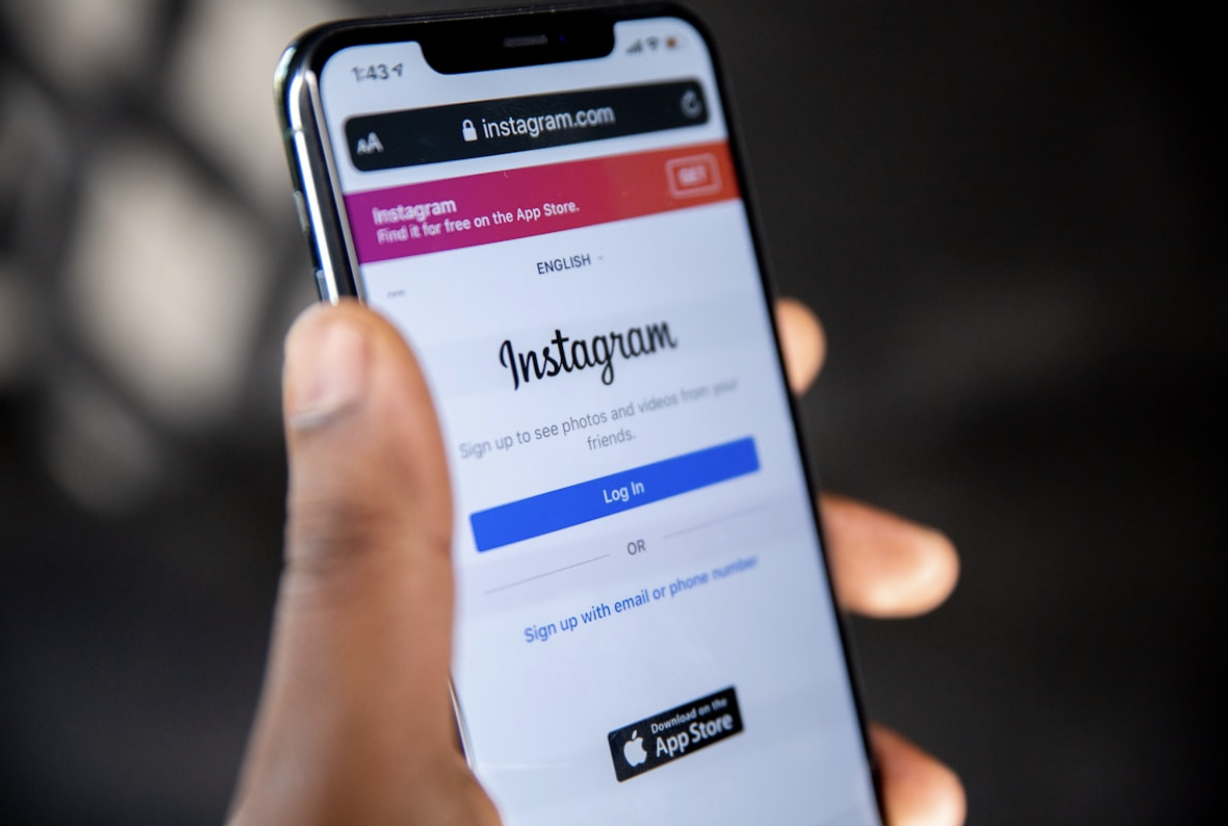
Instagram follower counts are constantly changing, yet the platform itself offers very limited insight into why those changes occur. Users can see how many followers they have, but they cannot see who unfollowed them or when it happened. For creators, brands, and everyday users alike, this lack of transparency often leads to uncertainty and manual guesswork.
Dolphin Radar Instagram Unfollowers Tracker addresses this gap by offering a structured way to monitor follower changes over time. Rather than relying on assumptions or time-consuming manual checks, it provides a comparison-based view of follower activity that helps users understand changes more clearly.
Why Instagram Follower Changes Are Hard to Track
Instagram does not notify users when someone unfollows their account. There is also no native feature that displays a list of recent unfollowers or historical follower data. When a follower count decreases, users are left with only one piece of information: the number is lower than before.
This limitation exists by design. Instagram prioritizes privacy and minimizes features that could encourage direct confrontation or misuse of follower data. As a result, users who want deeper insight into follower changes must rely on external analysis methods.
Related stories
The Challenge with Manual Unfollower Checks
Before unfollower tracking tools became common, many users attempted to track changes manually. This often involved:
- Taking screenshots of follower lists
- Writing down usernames
- Searching individual profiles to confirm follow status
While these methods can work for very small accounts, they quickly become impractical as follower numbers grow. Manual tracking is time-consuming, error-prone, and does not provide historical context. It also makes it difficult to identify patterns rather than isolated events.
How Dolphin Radar’s Unfollowers Tracker Works
Dolphin Radar’s Instagram Unfollowers Tracker is built around a simple but structured process. Instead of attempting to access private Instagram notifications or automate engagement, it relies on data comparison to identify changes in follower status.
Enter Username
To begin, users enter their Instagram username into the tracker. This step allows the system to identify the public follower data associated with the account.
There is no need to download software, install browser extensions, or set up external applications. The process is web-based and designed to minimize technical complexity.
No downloads or installations required.
We Analyze, Get Truth
Once the username is entered, Dolphin Radar analyzes available Instagram data to understand the current state of the follower list. This data is then compared against previously recorded information to detect changes.
Through this comparison process, the tracker can identify:
- Accounts that have unfollowed
- Users who do not follow back
- Differences between past and current follower states
Rather than guessing based on follower count alone, users receive a clearer picture of what actually changed.
Understanding the Comparison-Based Tracking Method
It is important to understand that Instagram does not send alerts or direct signals when someone unfollows. Dolphin Radar’s Instagram Unfollowers Tracker does not bypass this limitation. Instead, it works by observing differences between snapshots taken at different times.
This method focuses on:
- Accuracy through data comparison
- Historical visibility rather than instant alerts
- Monitoring changes instead of influencing behavior
Because the tracker relies on observation rather than automation, it aligns with responsible data usage practices.
What Makes This Approach Efficient
Reduces Manual Effort
Users no longer need to compare follower lists by hand. The tracker handles the comparison process, saving time and reducing errors.
Adds Context to Follower Drops
A decrease in follower count becomes more meaningful when users can see which accounts are no longer present. This helps separate normal fluctuations from noticeable shifts.
Supports Pattern Recognition
Over time, repeated unfollow activity around specific posting periods, campaigns, or content types can indicate broader trends.
Works for Different Account Types
Whether managing a personal account, creator profile, or business page, the tracking method remains consistent and scalable.
Seeing Unfollowers and Non-Followers Separately
One of the challenges users face on Instagram is distinguishing between people who unfollowed and those who never followed back. These are two different behaviors with different implications.
Dolphin Radar’s Instagram Unfollowers Tracker helps clarify this by identifying:
- Users who followed previously but no longer do
- Accounts that appear in interactions but do not follow back
This distinction allows users to interpret their audience more accurately instead of relying on assumptions.
Responsible Interpretation of Unfollower Data
Follower changes should not always be viewed as negative feedback. People unfollow for many reasons, including:
- Reduced activity on Instagram
- Changes in personal interests
- Algorithm-driven feed adjustments
- Cleaning up their own following list
For this reason, unfollower data is most useful when viewed over time and alongside other metrics such as engagement, reach, and content consistency.
Common Misunderstandings About Unfollowers Tracking
Instagram does not secretly show unfollowers
There are no hidden Instagram features that reveal unfollower identities directly.
Unfollowers are not always about content quality
A single unfollow rarely indicates a problem. Trends matter more than individual actions.
Tracking tools differ in purpose
Some tools focus on automation, while others focus on analytics. Comparison-based trackers are designed for observation, not engagement manipulation.
Who Benefits from Monitoring Follower Changes
- Content creators analyzing audience retention
- Brands measuring the impact of campaigns or promotions
- Agencies managing multiple Instagram profiles
- Everyday users seeking clarity without speculation
In all cases, the goal is understanding, not control.
Key Takeaways on Monitoring Instagram Unfollowers
Instagram does not offer a built-in way to see who unfollowed you, which makes follower changes difficult to interpret using native tools alone. Manual methods are inefficient and unreliable, especially as accounts grow.
Dolphin Radar’s Instagram Unfollowers Tracker provides a structured, comparison-based way to monitor follower changes over time. By allowing users to enter a username, analyze data, and identify unfollowers and non-followers without downloads or installations, it simplifies a process that would otherwise require significant effort.

Used responsibly, unfollower tracking can help users better understand audience behavior, recognize patterns, and make informed decisions—without reacting impulsively to every change in follower count.
Comments

Powered by RoundtableAn AI/DeFi-powered Enterprise Media Operating System. Learn more at Roundtable.io.© Roundtable 2026. By using this site you agree to the Terms of Use and Privacy Policy