
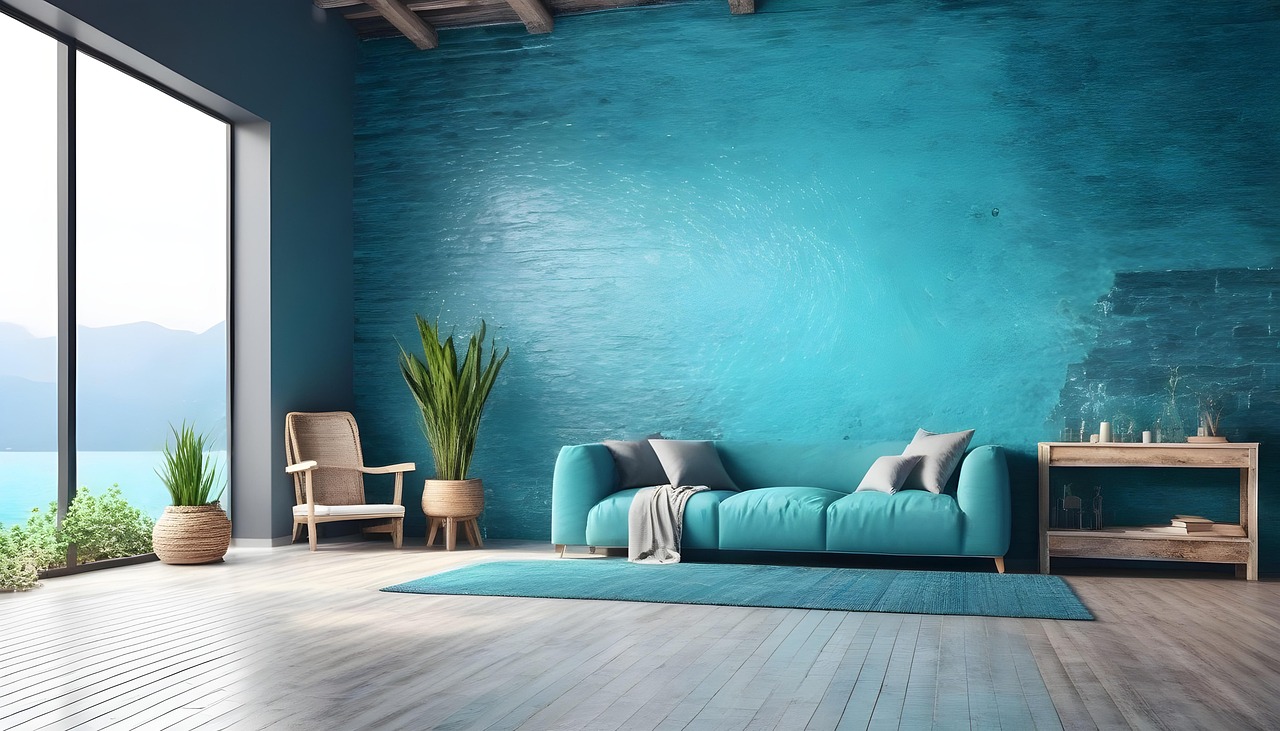
Image by Laurentia Petcu on Pixabay


Oct 26, 2025 7:00 AM
Updated Oct 30, 2025 8:19 PM
Homes today aren’t static. One day, a living room is a workspace; the next, it’s a movie theatre or a guest suite. Modular sofas were built for that reality.
Home design isn’t just about style anymore - it’s about rhythm. How we rest, host, and recharge has changed, and our furniture is evolving with it. The modular sofa, once a niche idea, has quietly become the centerpiece of this new way of living: flexible, adaptable, and deeply personal.
It’s not a design trend. It’s a reflection of how modern life actually works - and how the best interiors support it.
Key Takeaways
● Modular sofas are designed to adapt to changing spaces and lifestyles.
● Flexibility is replacing permanence as a new form of comfort.
Related stories
● Quality craftsmanship ensures beauty and durability over time.
● Sustainable design is built into modular furniture by default.
1. The furniture of flexibility
Homes today aren’t static. One day, a living room is a workspace; the next, it’s a movie theatre or a guest suite. Modular sofas were built for that reality.
Each piece - a corner unit, ottoman, or armless chair - can be rearranged or expanded as needed. Add sections when family grows, move them apart for a social layout, or push them together for a cozy night in.
It’s furniture that adjusts with you, not against you.
2. A design language born from movement
In architecture, flexibility has become a defining principle. Buildings that adapt to use and light feel more human - and the same is true at home.
The modular sofa takes that idea and translates it into form. It creates different zones within open spaces - a reading corner here, a conversation nook there - all through simple rearrangement.
That sense of movement makes a room feel alive, ready to change as life does.
3. Comfort as craftsmanship
The beauty of a modular design lies in its engineering. Each section connects with quiet precision, creating a seamless, sculptural flow that feels intentional rather than temporary.
The best modular systems use solid hardwood frames, high-density foam, and performance upholstery - materials that stand up to both daily use and design scrutiny.
A well-built modular sofa is more than a couch. It’s architecture for living - structure, form, and softness in perfect proportion.
4. Sustainability by design
Sustainability often starts with longevity, and modular furniture excels at it. Instead of replacing an entire sofa when one part wears out, you can repair or recover a single module.
That design logic keeps pieces in homes longer and out of landfills. It’s a sustainable philosophy that values maintenance over replacement - a small but meaningful shift toward more mindful living.
This is where modular furniture differs from “fast design.” It’s built for permanence, even as it invites flexibility.
5. Personality through composition
A modular sofa doesn’t just fit your space; it expresses it. Each configuration tells a story - how you like to gather, relax, or recharge.
Color and texture play their part too. Linen blends create a calm, coastal feel; rich chenilles bring depth and warmth. Add a bold rug or layered throw, and you create harmony between structure and softness - the balance every home needs.
That’s the subtle genius of modular design: it’s not about more furniture; it’s about better use of what you already have.
6. Choosing the right piece for your home
When shopping, start with size and scale. Measure your room carefully, including pathways and light sources. A low, wide silhouette can make small spaces feel open, while taller backrests add visual grounding in larger rooms.
Focus on build quality first - frame, cushion density, and connection mechanisms. Those details determine whether your sofa lasts a decade or just a few years.
For design inspiration and craftsmanship insight, The Kitchn’s roundup of the best sectional modular sofa designs offers a closer look at pieces that balance practicality and elegance in equal measure.
Wrapping It Up
The modular sofa represents something bigger than furniture - it’s part of a cultural shift toward living with intention. It celebrates adaptability over excess, comfort over show, and sustainability over disposability.
In a world that’s constantly changing, these quiet design choices help our homes feel grounded and human. Because the spaces that move with us are the ones that feel most like our own.
Comments

Powered by RoundtableAn AI/DeFi-powered Enterprise Media Operating System. Learn more at Roundtable.io.© Roundtable 2026. By using this site you agree to the Terms of Use and Privacy Policy