


Mar 13, 2026 7:00 AM
Updated Mar 17, 2026 6:14 AM
Modern Camino travel is perhaps the epitome of this change away from an "all or nothing" mentality and towards much more inclusivity.
The long distance pilgrimage has often been associated with extreme physical feats and dedication. This meant the trails were often reserved for those with the youth in great health, and those who can persevere across unfamiliar and difficult terrain.
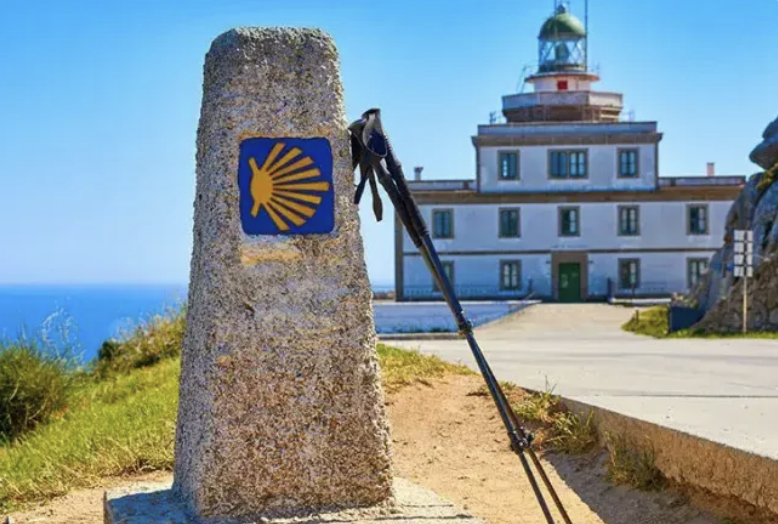
Today, it’s often nicely laid tracks and paths, great signage, frequent delis and villages, and fairly comprehensive cellular coverage. Travel is now much more human-centered. The meaning has always been there, and remains, but now it’s opened up to people from all walks of life and physical abilities.
Modern Camino travel is perhaps the epitome of this change away from an "all or nothing" mentality and towards much more inclusivity. Traveler seek purpose and connection rather than just a physical challenge, and while solitude and spirituality have always been at the center, many seek a social shared experience.
This opened the doors for a much broader demographic, including seniors in particular, and brought with it a wave of investment in the infrastructure. This then created better maintenance and safety, which then caters to those with physical limitations, and the cycle feedsback on itself. The result is now the biggest pilgrimage network in the world.
Related stories
Democratization of a trail means that the outdoors is no longer hostile - it’s a third space that we can all share. It also moves us away from the definition of adventure involving risk. It needn’t be. It’s about its capacity to transform us.
One thing that no amount of physical infrastructure can overcome is the need for logistical support - but that has changed too. The heavy backpack, the navigation, the anxiety of organizing accommodation is all too much for some.
Planning a Camino hike Spain can be done with agencies like Santiago Ways where these things are all taken care of. This has perhaps been the most radical change - where the support is embedded deep into the infrastructure. By removing these points of friction, way more people can now experience the culture of Camino de Santiago Spain without the fear of physical exhaustion or getting stranded without a bed for the night. By outsourcing the physical burden, travelers effectively buy back the mental bandwidth. And, vice versa, those wanting just to experience the physicality of the mission but not the logistics can also seek help.
When we strip away the logistical hurdles of a pilgrimage, the true heart of the experience remains, which is all about connection. The Camino de Santiago is a very unique space where social barriers dissolve entirely. It’s even richer because people from very different backgrounds can now meet because the obstacles have been obliterated. It’s a social equalizer, well class backgrounds, disabilities, and other differences melt away.
It might be a trip for a solo traveler who is just finding confidence or a group of friends reconnecting away from all their digital distractions, but the modern pilgrimage is about putting well-being, not hardship and elitism, at the forefront.
Comments

Powered by RoundtableAn AI/DeFi-powered Enterprise Media Operating System. Learn more at Roundtable.io.© Roundtable 2026. By using this site you agree to the Terms of Use and Privacy Policy