
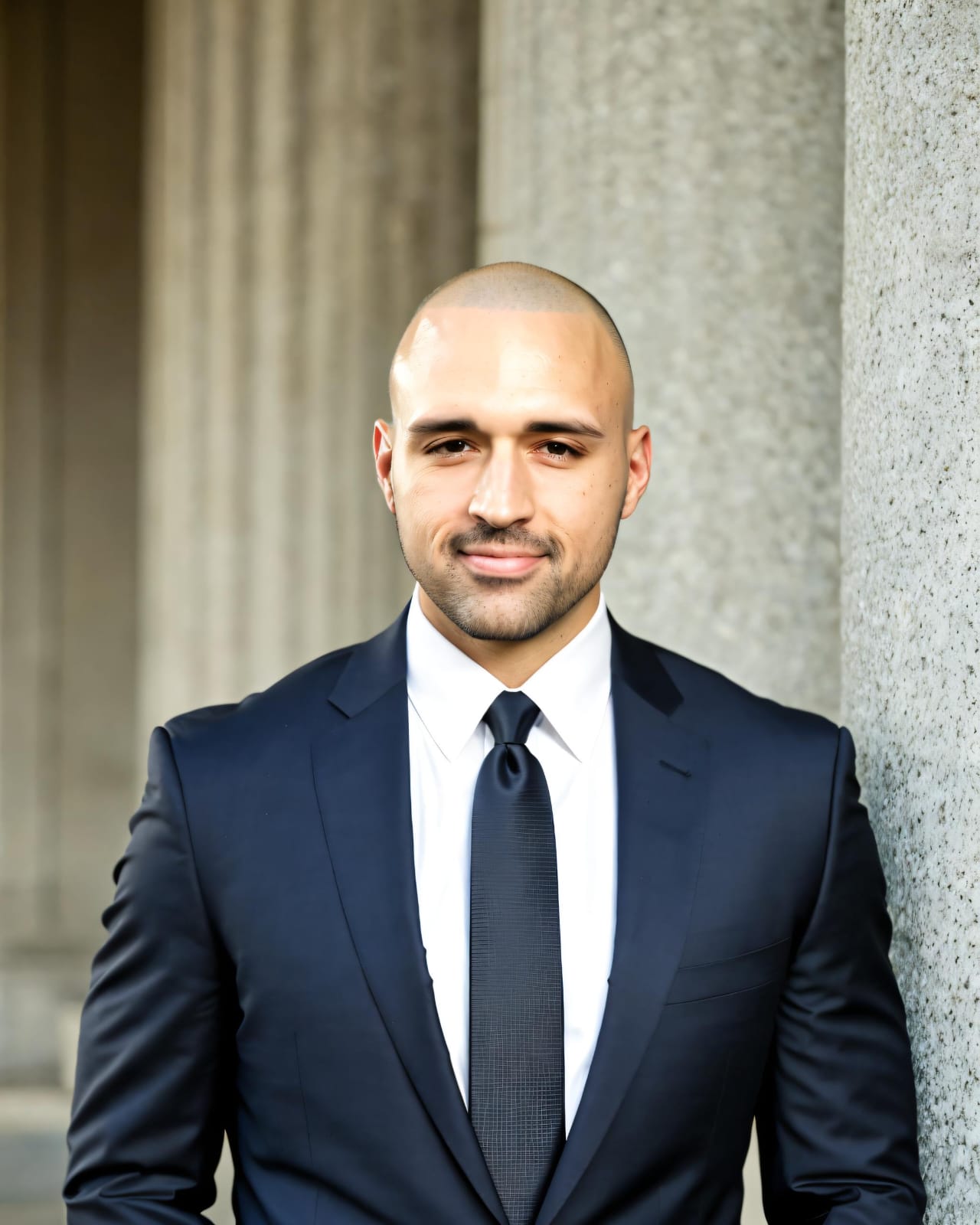


Mitchell Cozad
Nov 1, 2024 7:00 AM
Updated Nov 3, 2024 8:39 PM
The case revolves around a physical altercation between former teammates Mitchell Cozad and Rafael Mendoza, resulting in an injury to Mendoza.
In the world of public opinion, the truth often fades behind a veil of misinformation and media narratives. The case of Mitchell Cozad, a former collegiate football player, is a prime example of how the media can shape a legal case, at times omitting or overlooking important facts and details. This article seeks to present the broader, often overlooked story of Mitch Cozad—offering a deeper look at the events, the misconceptions, and the other side of the story that many are either unfamiliar with or no longer remember.
The Incident and Legal Proceedings
The case revolves around a physical altercation between former teammates Mitchell Cozad and Rafael Mendoza, resulting in an injury to Mendoza. Cozad was found guilty of second-degree assault, which is undoubtedly serious. However, a crucial fact often glossed over by the media is that Cozad was acquitted of the more severe charge of attempted murder. This distinction significantly changed the severity of the case, but the press often failed to emphasize it. The focus was instead placed on the sensational aspects, shaping public perception and overshadowing the legal outcomes.
Media Coverage and Its Influence
Much of the media coverage of Cozad’s case bordered on sensationalism, contributing to a public narrative that was skewed from the start. Headlines exaggerated Mendoza’s injuries, describing them as life-threatening. However, medical records revealed a 1-inch-wide, estimated 3-inch-deep laceration on Mendoza’s right buttock—required sutures but no surgery. Despite the more moderate facts, the media’s portrayal left many believing the attack was far more brutal than it was.
Further complicating the narrative, a knife presented during the trial was later determined by the Colorado Court of Appeals to be unrelated to the case and should not have been admitted as evidence. However, the court concluded that the error did not influence the outcome of the verdict, despite the perception of guilt it may have reinforced. Once again, media coverage ran with the more dramatic version of the story, often at the expense of the truth.
Related stories
Forensic Misconduct and Questionable Evidence
Another critical factor that complicates the case of Mitchell Cozad is the involvement of Missy Woods, a forensic scientist tasked with testing DNA evidence. Woods was later accused of tampering with evidence and falsifying test results in numerous cases, raising concerns about the integrity of the forensic process used during Cozad’s trial. This misconduct, revealed after the trial, casts doubt on the reliability of the forensic evidence presented against Cozad.
Furthermore, no DNA from Mendoza was found on Cozad or his belongings, which raises questions about the strength of the evidence used to convict him. The absence of Mendoza’s DNA complicates the narrative, making it harder to draw definitive conclusions about Cozad’s role in the altercation. The revelations about forensic misconduct and insufficient physical evidence suggest that the case may not have been as straightforward as initially believed.
Inconsistent Testimonies and Investigation Challenges
Witness testimonies in Cozad’s case were anything but consistent, further clouding the truth. Mendoza himself initially stated that he did not recognize his attacker, only later describing the assailant as a slim, 5-foot-7 individual, descriptions that did not match Cozad. Both his account and others' descriptions of how the assault occurred evolved over time. These inconsistencies raised valid questions about the reliability of the testimonies presented in court, but these doubts were often buried beneath the media’s quick adoption of the prosecution's theory.
Furthermore, the charges against Cozad were originally dropped due to insufficient evidence before being refiled. This struggle to build a case didn’t fit with the media’s narrative of Cozad as guilty beyond a reasonable doubt, and so it was largely omitted from public discussions.
The Story Not Told: Teammates Speak Out
One aspect of the story that received little media attention was the reaction of Cozad’s former teammates. Several spoke out publicly early on, expressing shock and disbelief over the allegations, describing Cozad as a kind, compassionate team player who was always helping others. Someone for whom the accusations seemed unimaginable and completely out of character. In contrast, other teammates who initially gave formal statements in support of Cozad were told they could be considered accomplices, and they eventually changed their story.
Polygraph Tests and Overlooked Details
Adding another layer of complexity to Cozad’s case is the fact that he passed a polygraph test, an often overlooked but significant detail. While polygraph results are not admissible in court, they are considered persuasive in law enforcement investigations. This fact, not disclosed until after the trial, complicates the media’s portrayal of the case and raises further questions about the assumptions that the case against him was not as clear-cut as the public was led to believe.
The Aftermath: Rebuilding a Life
Since serving his sentence, Mitchell Cozad has worked hard to rebuild his life. A once-promising athlete who had been recruited by Division I football programs and placed among the top two on the depth charts, Cozad’s athletic career was derailed by this incident. Nearly 20 years later, he has taken steps toward personal growth and rehabilitation. His journey is a testament to the power of redemption and the possibility of moving forward, despite the weight of a high-profile legal case hanging over him.
His acknowledgment of his involvement in the incident, paired with his efforts to contribute positively to his community, showcases the kind of personal transformation that can come after even the most challenging moments in life.
The Lessons of the Mitchell Cozad Case
The story of Mitchell Cozad serves as a reminder of how misinformation and media bias can profoundly impact both legal outcomes and public opinion. Sensationalized headlines and selective reporting distorted the truth, creating a narrative that persisted even after the facts began to emerge. The media’s portrayal of Cozad likely had a lasting impact not only on his personal life but also on his professional opportunities.
This case is a cautionary tale—a reminder that public opinion is not always built on a solid foundation of truth. More often, it is shaped by the stories the media chooses to tell, for Mitchell Cozad, the story that was told left out crucial details, presenting a one-sided account of events that did not capture the full complexity of his character or the case itself. And still, there are key details left untold—ones that only Cozad could provide, which remain absent from the public narrative.
A Story of Complexity and Redemption
While the legal system found Mitchell Cozad guilty of second-degree assault, the broader narrative surrounding his case is far more complex. From possible forensic misconduct to the silencing of supportive teammates’ voices, to sensationalized media reports, inconsistent witness testimonies, and the inclusion of irrelevant but damning evidence, many pieces of this story were overlooked in favor of a more digestible version that fit neatly into headlines. However, Cozad’s life after the incident shows that growth and change are possible, even after being at the center of a high-profile case.

This case should serve as a call to scrutinize the information we are presented with and seek out the untold sides of every story.
Comments

Powered by RoundtableAn AI/DeFi-powered Enterprise Media Operating System. Learn more at Roundtable.io.© Roundtable 2026. By using this site you agree to the Terms of Use and Privacy Policy