
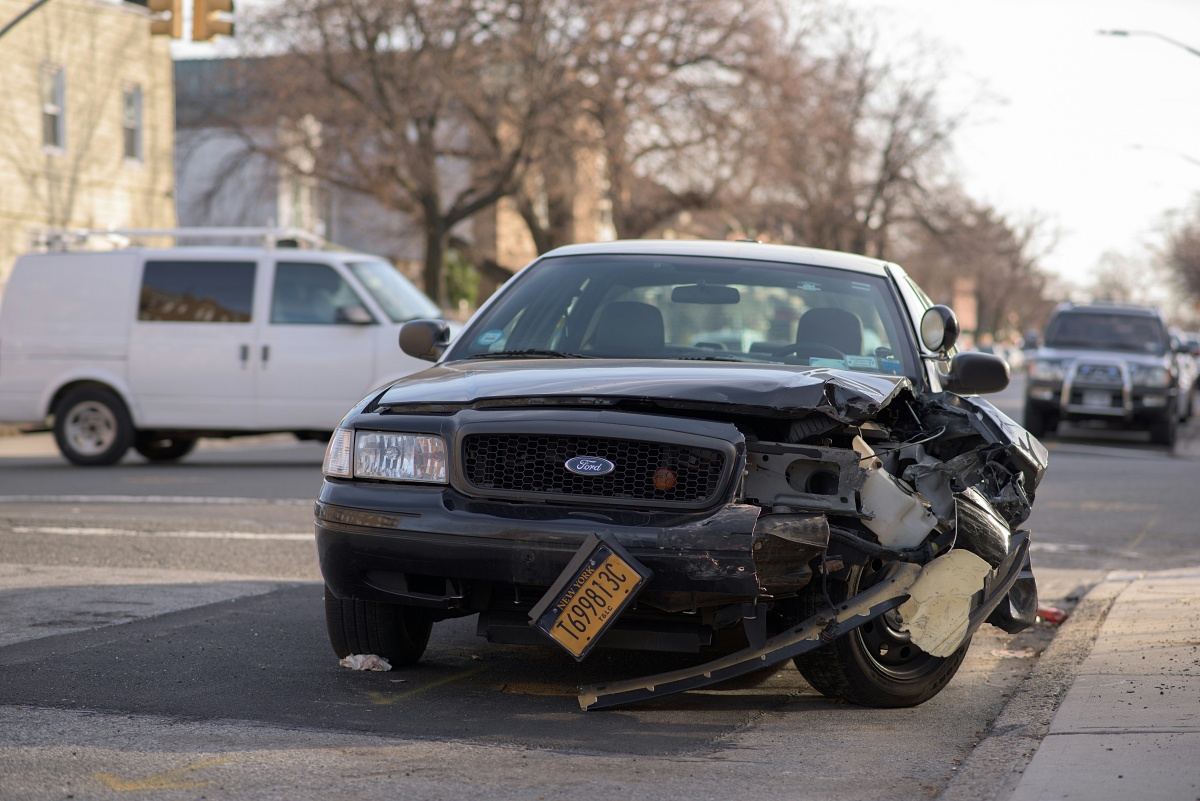
Photo by Michael Jin on Unsplash


Oct 26, 2025 7:00 AM
Updated Nov 11, 2025 8:40 PM
The minutes and hours following a car accident are crucial for protecting your interests and ensuring the best possible outcome from a difficult situation.
Car accidents happen in the blink of an eye, but their aftermath can last for months or even years. In those crucial moments following a collision, your actions can significantly impact your safety, financial well-being, and legal standing.
Unfortunately, many people make critical mistakes during this stressful time that can have lasting consequences. Understanding these common pitfalls and knowing how to avoid them can make all the difference in protecting yourself and your interests.
Mistake 1: Leaving Without Proper Documentation
One of the most detrimental mistakes people make is rushing to leave the accident scene without gathering adequate information.
In the immediate aftermath of a collision, emotions run high, and there's often a natural desire to simply exchange insurance information and move on. However, this hasty approach can leave you vulnerable to disputes and complications later.
Related stories
The scene of an accident contains valuable evidence that disappears once vehicles are moved and people disperse. Skid marks, debris patterns, traffic signals, road conditions, and witness accounts all paint a picture of what actually happened.
Without proper documentation, you may find yourself in a situation where the other party disputes fault or provides conflicting information to their insurance company.
To avoid this mistake, take comprehensive photos from multiple angles, including wide shots that show the overall scene, close-ups of vehicle damage, license plates, and any relevant road conditions or traffic signs.
Mistake 2: Failing to Seek Medical Attention Immediately
Many accident victims make the critical error of declining medical attention at the scene or postponing a medical evaluation because they feel fine initially.
This mistake stems from adrenaline and shock, which can mask pain and injury symptoms for hours or even days after an accident. What seems like a minor fender-bender can result in soft tissue injuries, concussions, or other conditions that don't manifest symptoms immediately.
Insurance companies often use delayed medical treatment against claimants, arguing that injuries aren't related to the accident or aren't as severe as claimed. When you wait days or weeks to seek medical care, it becomes much harder to establish a clear connection between your injuries and the accident. This can significantly impact your ability to receive fair compensation for medical expenses and other damages.
The solution is straightforward: always accept medical evaluation at the scene if offered by emergency responders, and follow up with your healthcare provider within 24 to 48 hours of the accident, even if you feel fine. Be honest about any discomfort, no matter how minor it seems.
Mistake 3: Admitting Fault
In the confusion and stress following an accident, many people instinctively apologize or make statements about what happened.
“Phrases like "I'm sorry," "I didn't see you," or "I think I might have been going too fast" may seem like natural human responses, but they can be interpreted as admissions of guilt and used against you later,” says Ryan Stanley, a renowned woodland hills car accidents attorney.
Insurance companies and legal teams carefully analyze every statement made at the accident scene. Even well-intentioned comments can be taken out of context and used to establish fault, potentially affecting your insurance rates, claim settlements, and legal liability.
The determination of fault should be left to insurance adjusters, police officers, and legal professionals who have the training and objectivity to evaluate all the evidence.
Instead of discussing fault or apologizing, focus on ensuring everyone's safety and gathering factual information. Stick to objective statements about what you observed: "The light was green when I entered the intersection" rather than "I think the other driver ran the red light."
Be polite and cooperative, but avoid speculation about cause or responsibility. If pressed by the other party or their representatives, simply state that you prefer to let the insurance companies and authorities determine what happened.
Mistake 4: Settling with Insurance Companies Too Quickly
Insurance adjusters are skilled professionals whose job is to settle claims quickly and for as little money as possible.
They often contact accident victims within hours or days of an incident, sometimes offering immediate settlements that seem generous but are actually far below what victims are truly entitled to receive.
Many people, eager to put the accident behind them and faced with mounting medical bills, accept these early offers without fully understanding their rights or the extent of their damages.
The problem with quick settlements is that the full impact of an accident often isn't apparent immediately. Medical complications can develop, injuries may require more extensive treatment than initially anticipated, and time off work can extend longer than expected.
Once you accept a settlement and sign a release, you typically cannot pursue additional compensation, even if new problems arise.
Before accepting any settlement offer, take time to fully understand your damages. This includes not only current medical expenses and vehicle repairs but also future medical costs, lost wages, diminished earning capacity, and pain and suffering.
Consider consulting with an attorney who specializes in personal injury or car accident cases, especially if you've sustained significant injuries or if fault is disputed. Many attorneys offer free consultations and can help you understand whether a settlement offer is fair. Taking these steps is an important part of knowing what to do after a car accident, ensuring you make informed decisions that protect your long-term well-being.
Mistake 5: Not Keeping Detailed Records of Everything
The aftermath of a car accident involves numerous phone calls, appointments, expenses, and paperwork. Many people fail to maintain organized records of these interactions and costs, which can severely hamper their ability to receive full compensation for their damages.
Without proper documentation, it becomes difficult to prove the extent of your losses or demonstrate how the accident has impacted your life.
Insurance companies require detailed evidence to process claims, and courts need comprehensive documentation to award damages.
Missing receipts, forgotten medical appointments, or lost correspondence can weaken your case and reduce your settlement. Additionally, the claims process can extend for months or years, making it easy to forget important details if they're not recorded promptly.
Create a dedicated file for all accident-related documents, including police reports, medical records, repair estimates, rental car agreements, and correspondence with insurance companies.
Keep a daily journal documenting your pain levels, limitations, missed work days, and how your injuries affect your daily activities. Take photos of your injuries as they heal and maintain receipts for all out-of-pocket expenses, no matter how small.
Conclusion

The minutes and hours following a car accident are crucial for protecting your interests and ensuring the best possible outcome from a difficult situation.
By avoiding these five common mistakes and taking proactive steps to document everything thoroughly, seek appropriate medical care, communicate carefully, and maintain detailed records, you can navigate the aftermath of an accident more successfully and secure the compensation you deserve.
Comments

Powered by RoundtableAn AI/DeFi-powered Enterprise Media Operating System. Learn more at Roundtable.io.© Roundtable 2026. By using this site you agree to the Terms of Use and Privacy Policy