
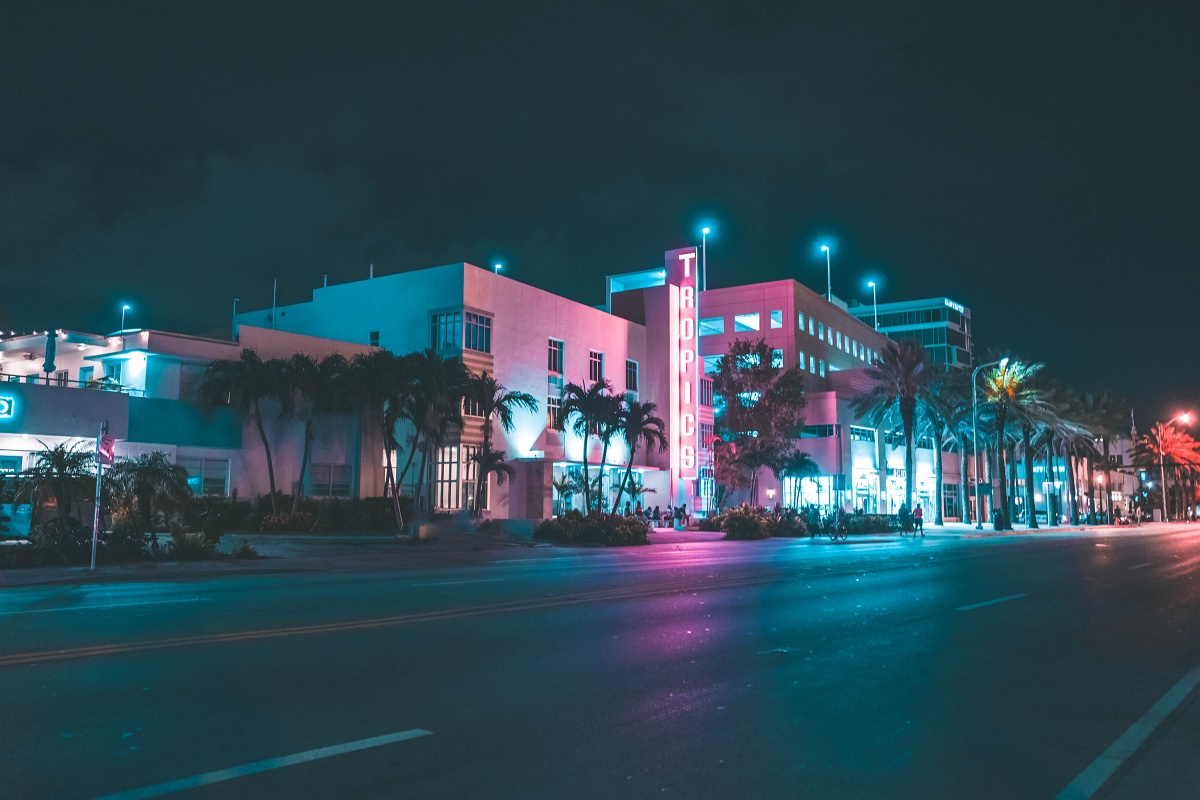


Architectural trends in Miami have witnessed significant shifts, with renowned architects leaving their indelible mark on the city.
Miami's real estate market is not only known for its luxurious properties and prime locations but also for its diverse architectural styles that shape the city's iconic skyline. In recent years, architectural trends in Miami have witnessed significant shifts, with renowned architects leaving their indelible mark on the city's real estate landscape. This article explores the architectural trends prevailing in Miami's real estate market, highlighting influential architects who have contributed to its evolution.
- Modernist Revival: The modernist architectural style has experienced a revival in Miami's real estate market. Characterized by clean lines, geometric shapes, and open floor plans, modernist buildings showcase minimalist aesthetics and an emphasis on functionality. Architects such as Chad Oppenheim, Kobi Karp, and Rene Gonzalez have played a significant role in incorporating modernist elements into their designs, creating sleek and contemporary residential and commercial spaces that resonate with the city's progressive spirit.
- Tropical Modernism: Miami's unique climate and lush surroundings have inspired the emergence of tropical modernism as a prevalent architectural trend. This style combines modern design principles with tropical elements, such as natural materials, indoor-outdoor living spaces, and expansive windows to maximize natural light and views. Architects like Max Strang and Touzet Studio have championed tropical modernism, creating harmonious blends of nature and modernity in their residential and hospitality projects.
- High-Rise Living: Miami's skyline is dominated by sleek high-rise buildings, catering to the city's growing demand for vertical living. Architects like Zaha Hadid, Bjarke Ingels, and Richard Meier have left their mark on Miami's high-rise developments, introducing innovative designs and sustainable features. These architectural icons have redefined the city's skyline with their distinctive towers, offering residents unparalleled views, luxury amenities, and cutting-edge design concepts.
- Adaptive Reuse and Historic Preservation: Alongside the emergence of contemporary architectural styles, Miami has witnessed a renewed focus on adaptive reuse and historic preservation. Architects and developers have transformed historic buildings into vibrant mixed-use spaces, preserving their unique character while repurposing them for modern living. The work of architects such as Allan Shulman and Kobi Karp in revitalizing historic structures has brought a renewed appreciation for Miami's architectural heritage.
- Sustainable Design: As sustainability becomes an increasingly important consideration in real estate development, Miami's architects have embraced sustainable design principles. Green building practices, energy-efficient technologies, and the integration of renewable energy sources have become key components of architectural projects. Architects such as Bernardo Fort-Brescia and Chad Oppenheim have prioritized sustainability, incorporating eco-friendly features into their designs to reduce the environmental impact of Miami's real estate developments.

Miami's real estate market reflects a dynamic fusion of architectural styles, shaped by influential architects who have reimagined the city's skyline. From the modernist revival to tropical modernism, high-rise living, adaptive reuse, and sustainable design, these architectural trends have added depth and character to Miami's built environment. Through their innovative designs, architects like Zaha Hadid, Bjarke Ingels, and Max Strang have elevated Miami's real estate market to new heights, offering residents and investors an array of aesthetically pleasing and forward-thinking spaces. As Miami continues to evolve, these architectural trends and the creative vision of renowned architects will continue to shape the city's real estate landscape for years to come.
