
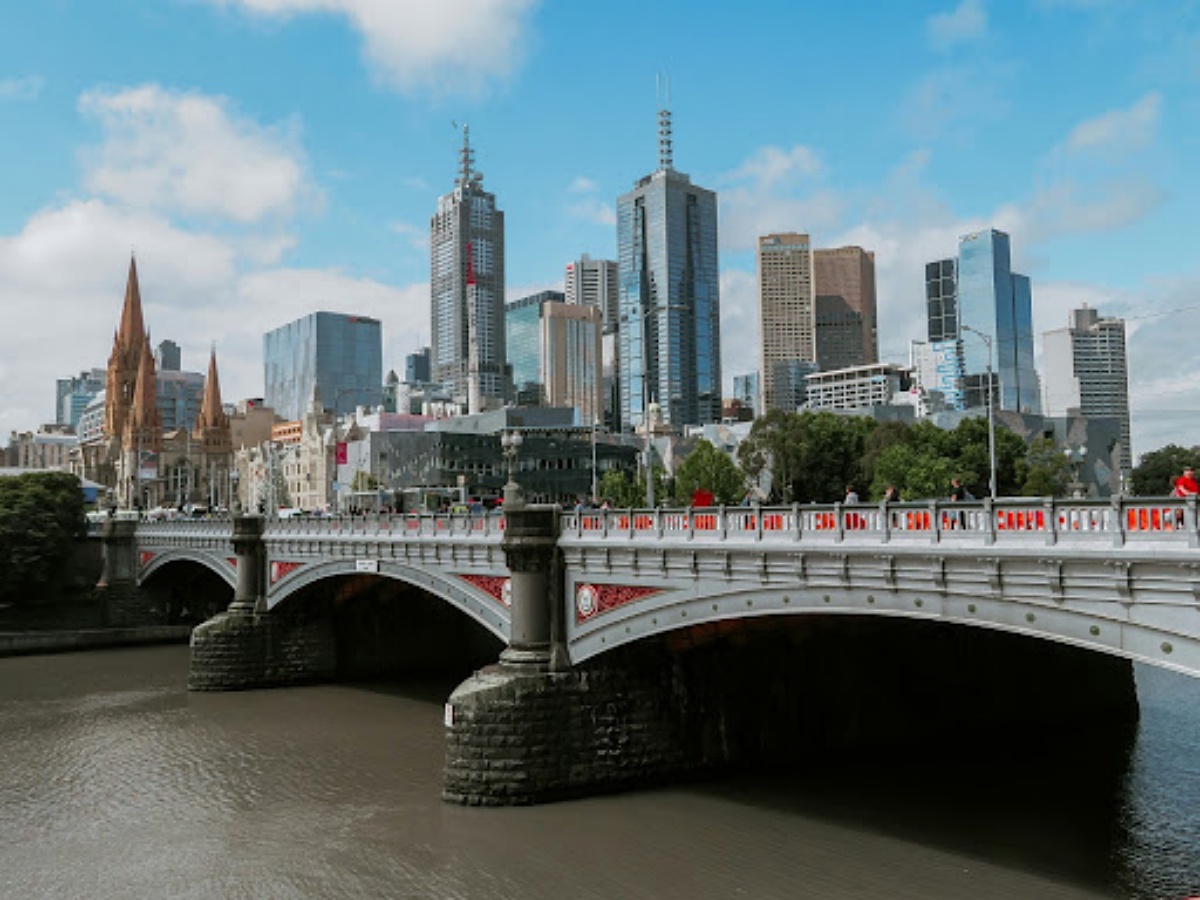
Unsplash


Melbourne House Price Analysis
Apr 13, 2024 7:00 AM
Updated Apr 15, 2024 6:20 AM
Seaside hamlets have shown intense gains, while beachside suburbs still struggle to regain their lost value
In 2021, Melbourne property witnessed a historic increase of about +17%, which also led to the year 2022 turning out to be a hard one for the Melbourne property market.
Based on CoreLogic data, the city's house price fell in home value by -9.6% from its peak in February 2022. However, in 2023, things took a turn for the good; then came 2024, when things shifted significantly, and Melbourne's property price was reduced slightly.
Without further ado, let's examine the data on Melbourne house prices and the suburbs with the highest property value drops.
Factors Influencing Property Value Changes
Several variables have contributed to the decline or rise in real estate market prices in Melbourne. Knowing these factors is important to anybody trying to understand what really is happening in the Victorian capital.
Related stories
Some of the factors that have influenced the property price in Melbourne include:
- Inflation:
High inflation usually results in a stronger property market, but this isn't always the case. In Melbourne, despite high inflation, the property market has been stable, even with increasing interest rates.
- Seasonal markets:
The Melbourne property market has distinct seasonal variations. The housing market tends to be dead in summer, with more activities focused in the first weeks of December.
In Autumn, increased market activity tends to build from the lull of summer. Winter is usually dormant, and spring is a prime time for selling with high property supplies.
- Supply levels:
This is also crucial in determining property prices in Melbourne. Undersupply can result in upward price pressures, while oversupply could result in price reductions when the demand doesn't match.
A market with limited supply and modest demand can help create a stable market. You can spot this in Melbourne's first six to eight months of 2023. Supply was relatively scarce, while demand wasn't strong, resulting in a balanced market.
- Location:
Proximity to services aligning with the potential buyer's profile also affects the house value. For example, if the potential buyers are family, houses close to nearby schools, amenities, parks, and public transport will influence the price.
Conversely, downsizers will seek proximity to dining options, public transport, recreational spaces, and shopping districts. Investors will prioritize access to public transportation, employment opportunities, and education for prospective renters.
When considering a move to a new suburb in Melbourne, individuals need to plan their relocation efficiently with a top-rated removalist. Partnering with reputable removalists like HomeMove Removalists can streamline the moving process, ensuring a smooth transition to their new home.
By entrusting professionals with the logistics of the move, homeowners can focus on settling into their new neighborhood and navigating the local property market dynamics.
- Style:
Areas and suburbs in Melbourne have different preferences for property styles. A good understanding of these preferences in an area can influence the pricing.
Suburbs with the Biggest Property Value Drops
In the last year, several Melbourne suburbs experienced price falls. For instance, North Jacana had the biggest drop of 6.6%, with Albert Parkfollwing with 6.3%. More than 60 suburbs had their prices fall last year resulting in inquiries such as, “why are house prices dropping in Melbourne”' becoming increasingly common.
According to Tim Lawless, the research head at CoreLogic, the neighborhoods where house prices are falling first appeared disparate. However, he noted two top movements in effect.
He said, "The inner suburbs comprised the top seven of the 20 suburbs.” Adding, "The strength of the market's upswing was around that inner fringe. Towards the end of the year, that market area slowed the most visibly as well."
Conversely, the suburbs in the outer part of Melbourne were slightly covered by the broader economy.
He said "These areas have shown much lower levels of growth through the year, especially early in the cycle. This is probably where households have been more thinly stretched, and households have been feeling the cost of living crisis."
Let's take a look at a table showing 10 of the top Melbourne suburbs with the highest property value fall in the past year and their present value:
Source: CoreLogic, 12 months to November and realestate.com.au
Comparison with Suburbs Experiencing Growth
Though the general Melbourne housing market underperformed in 2023, other suburbs beat the odds and showed significant value, providing property owners with increased capital growth.
Below is a list of the top ten performing suburbs based on their median home value growth for units and houses combined in the past year:
- Harkaway: $1.294m — +10%
- Officer South: $820,000 — +10%
- Balnarring: $1.388m — +8%
- Balwyn: $2.079m — +8%
- Somers: $1.666m — +8%
- Deepdene: $3.006m — +8%
- Canterbury: $2.708m — +8%
- Glen Waverley: $1.507m — +8%
- Vermont South: $1.458m — +7%
- Forest Hill: $1.155m — +7%
Implications and Future Outlook
Over the past year, the property market in Melbourne hasn't performed as well as others. However, experts believe Melbourne's property value is expected to rise through 2024.
From January to March, Melbourne house price median was flat, at under $943,000, and unit values grew by 0.3%. Since the COVID-19 era, Melbourne's property value rose by 11%.
Resulting in a quarterly move of -0.2%, the annual movement is still sitting at a positive range of +3.2%, a total return of 6.8%, and a median value of $778,892.
Below is a table showing the median property prices for Melbourne
Source: CoreLogic, 1st April 2024
The data provides an opportunity for strategic property investors in Melbourne, as its property values show significant upside potential.
Though there will be possible bumps in the road ahead, Melbourne has strong economic fundamentals and a high number of overseas migrants intending to live there. Moreover, its lifestyle appeal suggests that it might likely remain resilient.
Summary—The Great Decline
During the downturn, Melbourne experienced some of the highest property fall in value. However, signs show that some are rebounding while others are close to their peak.

Seaside hamlets have shown intense gains, while beachside suburbs still struggle to regain their lost value since expensive house prices make it hard for potential buyers to enter the market.
However, expert consensus shows that tight supply and population growth will continue to push Melbourne house prices upwards through the next stage of the property cycle.
Comments

Powered by RoundtableAn AI/DeFi-powered Enterprise Media Operating System. Learn more at Roundtable.io.© Roundtable 2026. By using this site you agree to the Terms of Use and Privacy Policy