
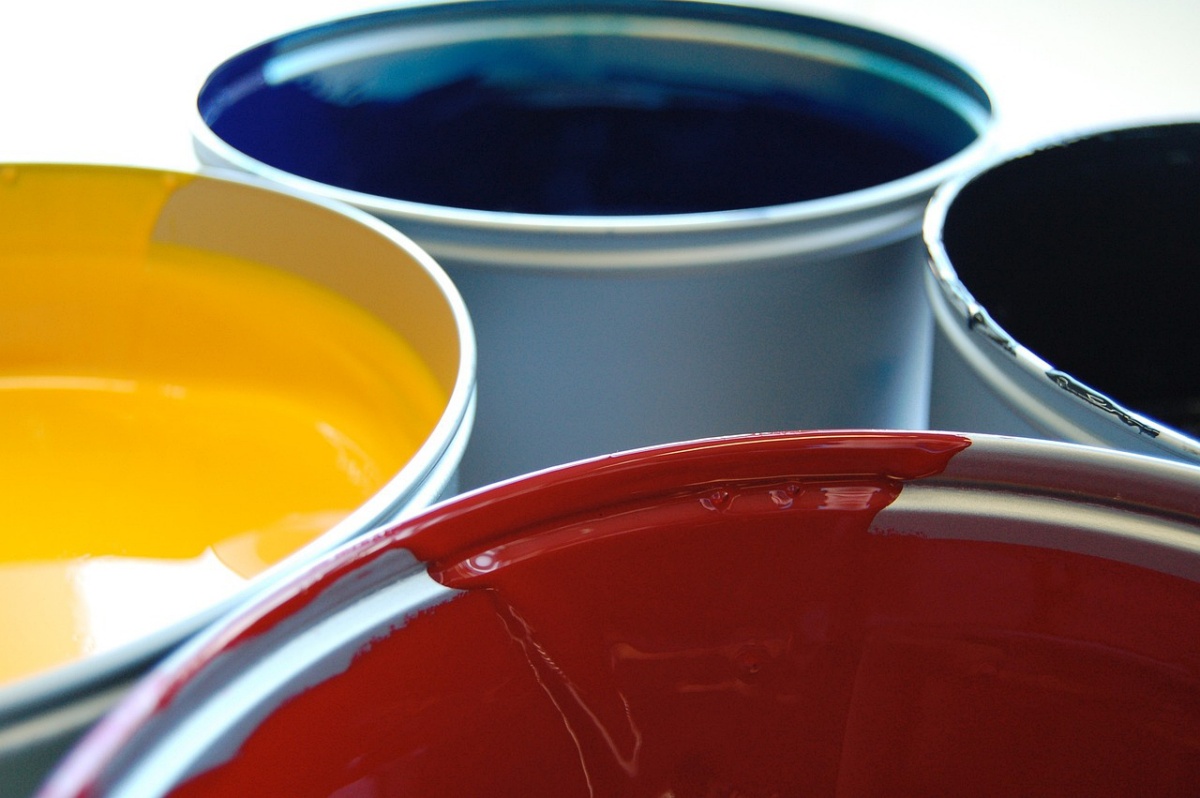
Image by André Zivic on Pixabay


Dec 25, 2024 8:00 AM
Updated Dec 28, 2024 2:22 AM
Understanding the relationship between inks and substrates can significantly impact the appearance of printed items, whether for packaging or personal creative projects.
The harmony between ink and material is vital for top-quality outcomes in the printing industry. Different surfaces present challenges and benefits, requiring specific ink types to achieve vivid colors and long-lasting prints. Understanding the relationship between inks and substrates can significantly impact the appearance of printed items, whether for packaging or personal creative projects.
Varieties of Printing Inks
Various types of inks meet specific printing needs. Solvent inks are known for their durability and resistance to fading, making them ideal for outdoor signs and displays. Water-based inks offer an alternative commonly used for materials such as posters and fabrics. UV-curable inks dry quickly upon exposure to ultraviolet light and produce sharp results on smooth surfaces. Each ink type has distinct characteristics that influence decision-making based on the intended application. You can buy printer ink online when needed, ensuring access to the right products for your projects.
Cardboard Materials
Paper is widely used in the printing industry and comes in various finishes and textures, making the selection of the appropriate ink crucial for quality outcomes. Offset inks are commonly applied to paper because they dry quickly and produce clear images. For cardboard used in packaging, inks must adhere effectively to its surface. Flexographic inks are a preferred choice for printing on cardboard due to their adaptability, ensuring both durability and high-quality results.
Materials Made from Synthetic Compounds
Printers face challenges when dealing with plastics because their surfaces require specific inks for proper adhesion. Many commonly use solvent-based inks, which effectively bond with plastic surfaces. Alternatively, UV-curable inks offer quick drying times and produce vibrant prints that stand out. Recently, eco-solvent inks have gained popularity for printing on plastic due to their environmentally friendly nature without compromising quality standards.
Related stories
Cloth
Specific types of inks are necessary for different methods to produce high-quality prints that withstand washing and everyday wear in textile printing. For example, direct-to-garment (DTG) screen printing utilizes plastisol inks for vibrant colors and durability. In contrast, dye sublimation inks are ideal for polyester fabrics, delivering vivid results through a heat transfer. Selecting the correct ensures long-lasting outcomes tailored to the specific fabric properties. It’s easy to buy printer ink online to meet these specialized printing needs is easy.
Metal and Glass Materials
Inks must adhere well to non-absorbent surfaces when printing on metal and glass surfaces. Many prefer epoxy-based inks for metal because they adhere strongly and resist scratches. A suitable choice for glass surfaces is those that dry quickly and are highly durable. In both cases, using inks that can withstand various conditions is essential to ensure that the printed designs remain intact over time.
Organic Raw Materials
Working with natural elements like wood opens up diverse printing possibilities—Wood's porous quality allows it to absorb effectively. Water-based inks are particularly effective on wood surfaces, enhancing the material's texture and appearance. UV-curable inks are ideal for intricate designs, achieving precision in printing. Selecting the appropriate ink helps preserve the natural appeal of these materials while creating visually appealing prints.
Taking the Environment into Account
The printing industry increasingly focuses on sustainability, with more businesses choosing eco-friendly inks to reduce their environmental footprint. H2O and soy-based inks have become popular due to their lower emissions of volatile organic compounds (VOCs), offering a greener option without sacrificing quality. When making decisions promoting sustainability, it's essential to consider the environmental impact of ink and substrate choices.
In Summary
The connection between inks and materials plays a crucial role in the success and quality of the printing process. By understanding the characteristics of different inks and substrates, one can produce top-notch prints that meet specific requirements. Whether printing on paper, plastic, cloth, metal, or organic materials, selecting the right ink type ensures vibrant colors and long-lasting effects. In light of the growing emphasis on sustainability, opting for eco-friendly inks helps promote environmentally responsible printing practices.
Comments

Powered by RoundtableAn AI/DeFi-powered Enterprise Media Operating System. Learn more at Roundtable.io.© Roundtable 2026. By using this site you agree to the Terms of Use and Privacy Policy