
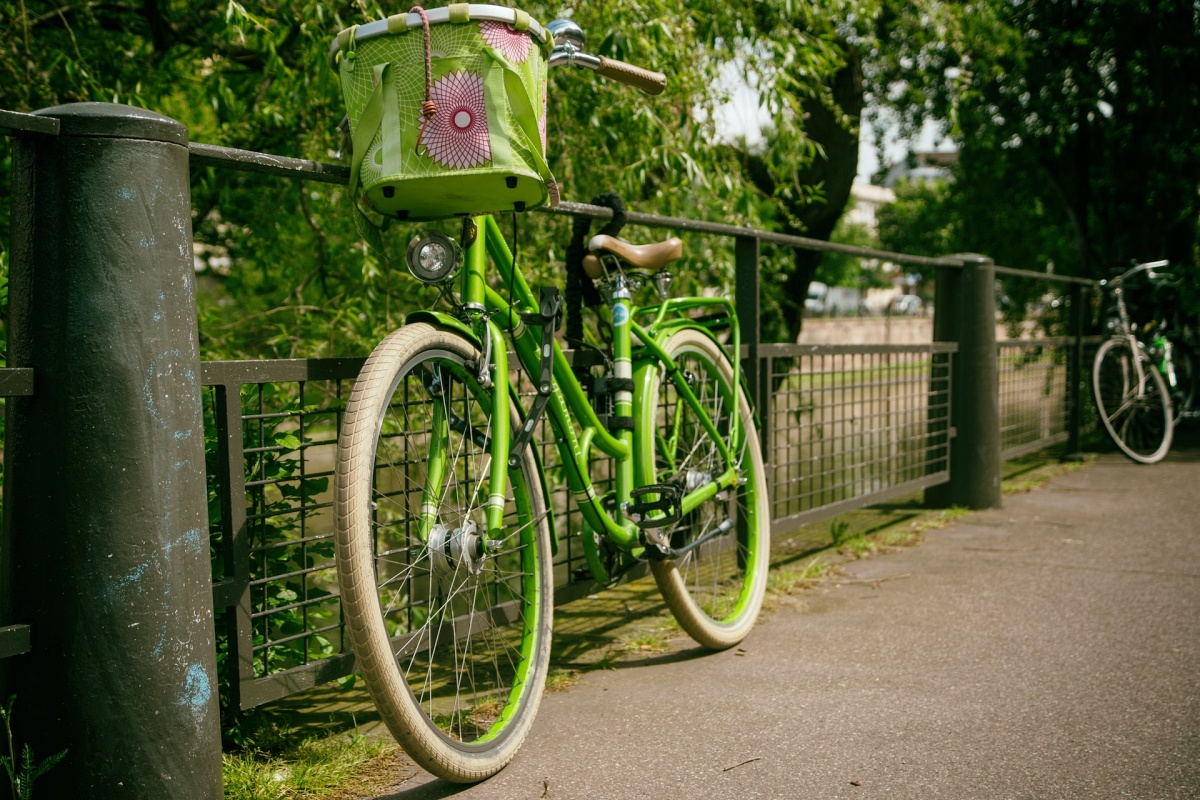
Photo by Peter Aschoff on Unsplash


Mastering the Shift
May 12, 2024 7:00 AM
Updated May 14, 2024 9:00 PM
This guide aims to demystify the process of adjusting your bike's gears, empowering you to optimize your riding experience.
Biking is not just about pedaling; it's about syncing your movements with the mechanics of your bike. Among these mechanics, the gear system plays a pivotal role. Properly adjusted gears ensure a smooth, efficient, and enjoyable ride, whether you're conquering steep hills or cruising along a flat road. This guide aims to demystify the process of adjusting your bike's gears, empowering you to optimize your riding experience.
Understanding the Basics of Gears
Before delving into the adjustment process, let's first understand the fundamentals of bike gears. Most modern bicycles come equipped with a gear system consisting of front and rear derailleurs, cassette or freewheel gears, shifters, and cables.
The front derailleur shifts the chain between the front chainrings, while the rear derailleur does the same for the rear cassette or freewheel gears. Shifters control the movement of the derailleurs via cables.
Gears serve two primary purposes: to maintain an optimal cadence (pedaling speed) and to adjust resistance according to terrain. Lower gears make pedaling easier, ideal for uphill climbs or starting from a standstill. Higher gears offer more speed and are suitable for flat roads or downhill stretches. Proper gear adjustment ensures seamless transitions between these gear ratios.
Related stories
Tools Required for Gear Adjustment
Before embarking on the adjustment process, gather the necessary tools:
1. Hex wrench set
2. Screwdrivers (flathead and Phillips)
3. Cable cutter
4. Cable lubricant
5. Clean rag
With these tools at hand, you're ready to fine-tune your bike's gear system for optimal performance.
Step-by-Step Guide to Adjusting Bike Gears
1. Assessing Current Gear Performance
Assessing the performance of your Progear Bikes is crucial for maintaining an optimal riding experience. Signs of misalignment may manifest as noisy or hesitant shifting, chain slippage, or challenges in maintaining a consistent cadence. Pay attention to specific gears or gear combinations exhibiting these issues, as they indicate areas needing adjustment or maintenance.
2. Inspecting Cable and Housing
Inspecting the cables and housing of your bike's gear system is essential to ensure smooth operation. Look for signs of wear, fraying, or corrosion, as damaged cables can hinder shifting performance and may require replacement. Additionally, lubricate the cables with a suitable lubricant to facilitate smooth movement within the housing, thereby optimizing gear shifting functionality.
3. Checking Derailleur Alignment
Ensuring proper alignment of both the front and rear derailleurs is crucial for smooth gear shifting performance. Misaligned derailleurs can lead to chain rub or hinder smooth shifting.
Use a hex wrench to adjust the position of the derailleurs as necessary, ensuring they are parallel to the chainrings or cassette. This alignment optimization helps maintain the integrity of your bike's gear system and enhances overall riding experience.
4. Adjusting Cable Tension
To achieve precise shifting, fine-tuning cable tension is essential. Begin with the rear derailleur by shifting to the smallest cog (highest gear). Loosen the cable anchor bolt, pull the cable taut, and then retighten the bolt.
Shift through the gears to ensure smooth transitions. Repeat this process for the front derailleur, shifting to the smallest chainring (lowest gear). Adjusting cable tension in this manner optimizes gear shifting performance and enhances the overall functionality of your bike's transmission system.
5. Limit Screw Adjustment
Limit screws play a crucial role in controlling the range of motion of derailleurs, preventing the chain from overshooting or falling off the cassette or chainrings. Using a screwdriver, adjust the high and low limit screws as necessary to ensure the chain remains within the designated gear range without rubbing against the derailleur. This adjustment ensures smooth and precise shifting, enhancing both the performance and longevity of your bike's gear system.
6. Fine-Tuning Shifting Performance
Test the shifting performance across all gears, meticulously observing chain alignment and noise levels during shifts. Should the chain hesitate or skip, make minor adjustments as necessary.
Focus on fine-tuning cable tension or realigning the derailleurs to rectify any issues. By attentively addressing these nuances, you can ensure optimal gear shifting functionality, promoting a smoother and more enjoyable riding experience.
7. Road Testing
Take your bike for a test ride to assess the effectiveness of the adjustments made. Pay close attention to the responsiveness of the gears, the smoothness of shifting, and the overall comfort of the ride.
While riding, fine-tune any remaining issues encountered, such as hesitant shifting or discomfort. By actively addressing these concerns during the test ride, you can ensure that your bike is optimized for peak performance and enjoyment on future rides.
Maintenance Tips for Long-Term Gear Performance
Adjusting your bike's gears is not a one-time task but rather an ongoing process. To maintain optimal gear performance, follow these maintenance tips:
1. Regularly clean and lubricate the drivetrain components, including the chain, cassette, chainrings, and derailleurs.
2. Inspect cables and housing for wear or damage, replacing them as needed.
3. Periodically check and readjust cable tension to account for cable stretch or component wear.
4. Keep the drivetrain free of debris and dirt buildup, as these can affect shifting performance.
5. Schedule professional tune-ups at a bike shop for thorough inspections and adjustments.
Elevating Your Cycling Experience
Mastering the art of gear adjustment is essential for any cyclist seeking to maximize the performance and efficiency of their bike. By understanding the basics of gear operation and following a systematic adjustment process, you can ensure smooth shifting, optimal cadence, and an enjoyable riding experience.

Remember to regularly maintain your bike's gear system to prolong its lifespan and keep it running smoothly mile after mile. With these skills and knowledge in hand, you're ready to conquer any terrain with confidence and precision.
Comments

Powered by RoundtableAn AI/DeFi-powered Enterprise Media Operating System. Learn more at Roundtable.io.© Roundtable 2026. By using this site you agree to the Terms of Use and Privacy Policy