


Managing a Diabetic Surplus
Apr 30, 2024 7:00 AM
Updated May 31, 2024 10:01 PM
Navigate diabetes with ease! Discover tips and tricks for managing a diabetic surplus, maintaining balanced blood sugar levels for optimal health.
Navigating the challenges of living with diabetes requires a careful balance. This is especially when dealing with a diabetic surplus. It's about mastering the art of maintaining balanced blood sugar levels to ensure a healthy and fulfilling life.
In this guide, we'll explore practical tips and tricks that help manage a diabetic surplus effectively. From understanding the importance of a balanced diet to recognizing the role of regular physical activity, we'll provide you with the knowledge you need to take control of your health.
Join us as we unveil the secrets to a balanced life with diabetes.
Taking Balanced Diet
Related stories
A balanced diet is key to managing your diabetes and keeping your blood glucose levels in check. It involves eating a variety of foods in the right proportions to maintain your health while controlling your blood sugar levels.
Consider keeping blood glucose logs to track how different foods affect your condition. This method can help you and your healthcare provider make informed decisions about your diet. It can also help with your overall diabetes management plan.
Incorporating Regular Physical Activity
Regular physical activity is crucial for individuals with diabetes. This is because it helps to:
- lower blood glucose levels
- improve insulin sensitivity
- reduce the risk of heart disease
Aim for at least 30 minutes of moderate exercise, such as walking, swimming, or cycling, most days of the week.
Starting slowly and gradually increasing the intensity can help make exercise a regular part of your routine. Remember to consult with your healthcare provider before beginning any new exercise program.
Monitoring Blood Sugar Levels
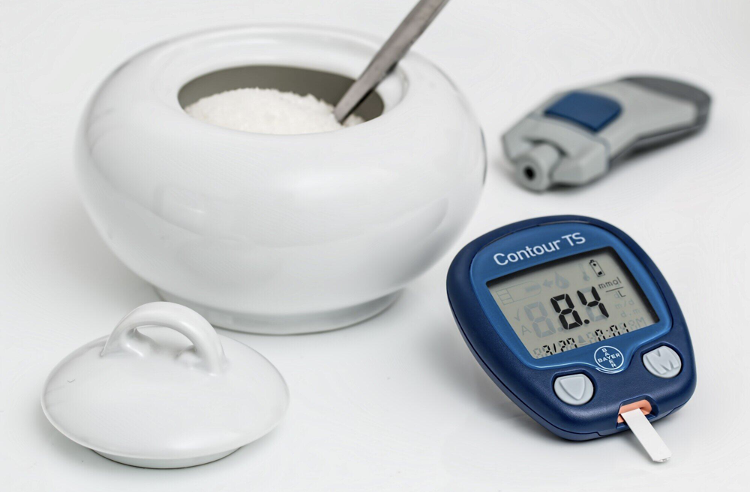
Monitoring your blood sugar levels is an essential part of managing diabetes. It helps you understand how food, activity, and stress affect your blood glucose. One key tool for this is learning how to use a glucometer. A glucometer is a device that measures your blood sugar at any given time. It provides immediate feedback on your diabetes management plan.
Using a glucometer involves pricking your finger with a small needle, called a lancet, to get a drop of blood. Then, you apply the blood to a test strip inserted in the glucometer. Regular monitoring can guide you in making informed decisions about your diet, exercise, and medication. If you find yourself with extra unused test strips, you can sell test strips which can be a great way to recoup some of the costs associated with diabetes management.
Medication Management
Proper medication management is a fundamental aspect of living with diabetes. It ensures that any prescribed medicines are taken consistently and as directed by a healthcare provider. For some individuals, managing medication involves the use of insulin or other diabetes medications. These helps control blood sugar levels.
It's important to communicate regularly with your healthcare provider. This is to adjust dosages as needed based on your blood glucose monitoring. To further enhance your ability to monitor your blood sugar levels, you might want to consider exploring how to order a continuous glucose monitor (CGM).
A CGM can provide real-time data on your glucose levels, allowing for more precise management of your condition.
Learn About Managing a Diabetic Surplus
In conclusion, effectively managing a diabetic surplus is crucial for maintaining a balanced and healthy lifestyle with diabetes. By following the tips in this article, you can take control of your health and mitigate the challenges associated with diabetic surplus.

Remember, small, consistent steps lead to significant changes, so start today for a healthier tomorrow.
If you want to explore the best topics, we've got you covered. Check out some of our other blogs today!
Comments

Powered by RoundtableAn AI/DeFi-powered Enterprise Media Operating System. Learn more at Roundtable.io.© Roundtable 2026. By using this site you agree to the Terms of Use and Privacy Policy